 Kids Snack Bars
 Soft-Baked Cookies
 Protein Bars
 Build A Box
 Shop All





Trying to decipher food labels in the middle of a busy grocery run can feel like a pop quiz you didn't study for. Don't worry, we've got the cheat sheet! Some terms are way simpler than they seem.
At its core, non-GMO means the food is made without ingredients that have been genetically engineered in a lab. It’s about choosing foods, from awesome kids snack bars to yummy cookies, made from ingredients that are a little closer to their original, natural state.
Your Quick Answer to the Non-GMO Question
Hey, busy parents! You're navigating a world of choices for your family, and figuring out what you’re putting in the cart shouldn't require a science degree.
When you see "non-GMO" on a package, think of it like this: you can build a tower with classic wooden blocks or with high-tech magnetic ones. The non-GMO option is the original classic—its fundamental blueprint hasn't been changed. It's the simple, straightforward choice for your little one's snack time.
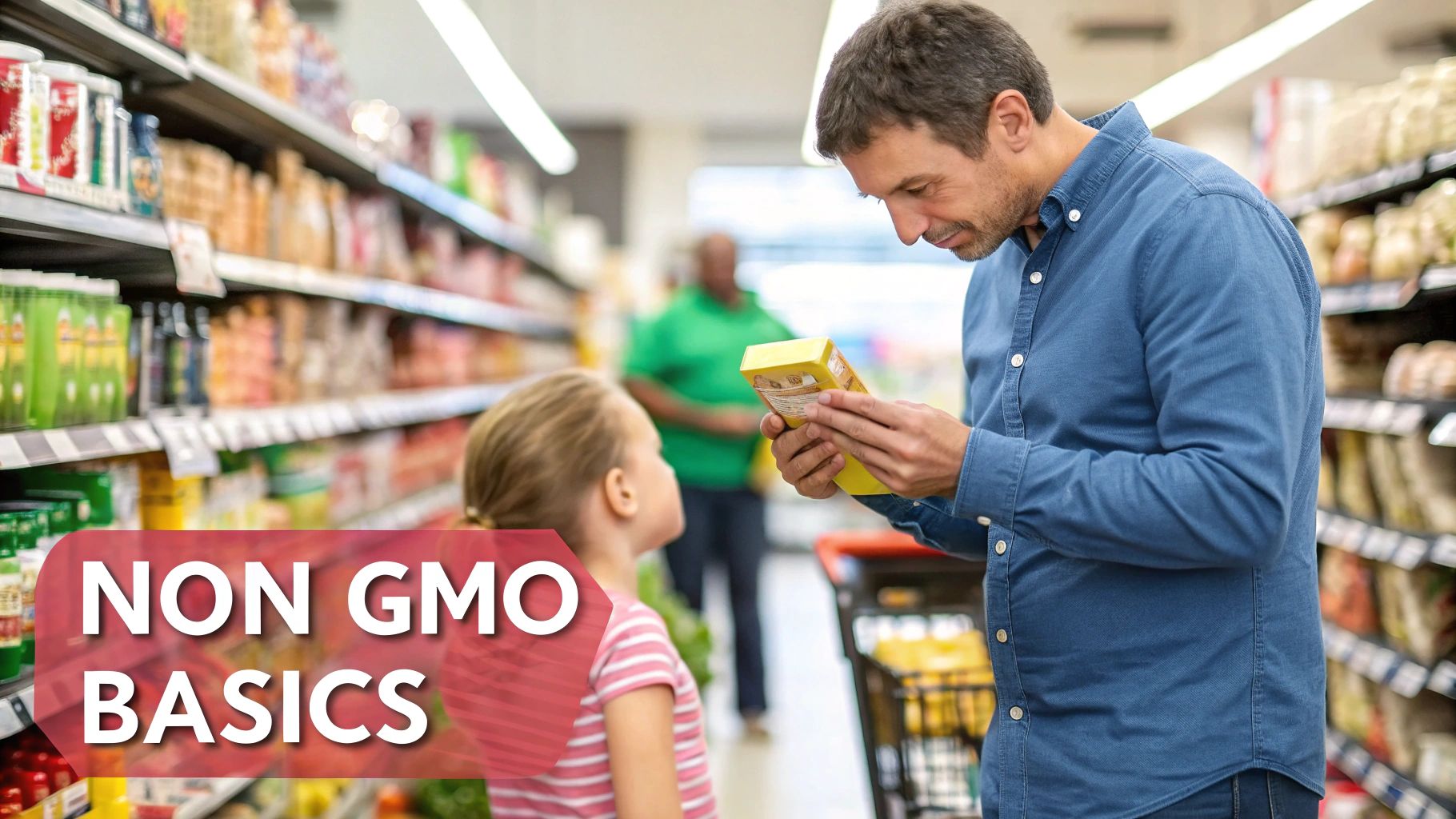
This distinction is becoming a bigger deal for families everywhere. The global non-GMO foods market is exploding, and food products make up a whopping 83.96% of that market. This huge growth is driven by health-conscious families like yours looking for cleaner snack bars, dairy alternatives, and infant nutrition—all categories where simple, recognizable ingredients really matter. You can learn more about the rise in demand for non-GMO foods here.
To keep it simple, here’s a quick breakdown of what that non-GMO label really means when you see it on the shelf.
Non-GMO at a Glance
| Key Aspect | What It Means for You |
|---|---|
| Ingredient Sourcing | The core ingredients (like corn, soy, canola) haven't been genetically modified. |
| Farming Practices | Farmers avoid genetically engineered seeds. |
| Labeling | The brand is transparent about avoiding GMOs in their products. |
| Simplicity | You're choosing a product made with ingredients closer to their natural form. |
Ultimately, a non-GMO label is a straightforward signal for parents who prefer foods made with simpler, less modified ingredients. Easy peasy!
Why It Matters for Kids' Snacks
When it comes to your kids' favorite treats, choosing non-GMO is a vote for transparency and simplicity. Think about the ingredient lists on those go-to snack bars or after-school cookies. A non-GMO label helps ensure that the core components, like corn, soy, or sugar, haven't been scientifically altered in a lab.
For a lot of parents, this choice offers some real peace of mind. It’s about:
- Simpler Ingredients: Opting for foods that are less tinkered with and closer to how they’re found in nature.
- Supporting Transparency: Choosing brands that are clear and upfront about how they source and make their products.
- Building Healthy Habits: Introducing kids to wholesome, recognizable foods from a young age.
By reaching for that non-GMO snack, you’re not just picking a treat; you're making a conscious choice for simpler, more natural ingredients. It’s a small step that empowers you on your next grocery run, making it easier to fill your pantry with snacks you can feel awesome about.
Decoding the Non-GMO Label and What It Guarantees
When you spot a “Non-GMO” label on a package of kids snack bars or cookies, what does that little symbol actually promise? It’s more than just a marketing claim; it’s a signpost for parents looking for transparency and peace of mind in every bite.
Think of it as a backstage pass to your food’s journey from the farm to your pantry.
The most recognized and trusted seal in the U.S. is the Non-GMO Project Verified butterfly. Earning this label is no small feat. It means a product has gone through a rigorous, independent verification process that includes ongoing testing of all major ingredients at risk of being genetically modified.
More Than Just a Claim
Unlike a simple "GMO-free" statement a brand might put on its packaging, the butterfly seal is a third-party certification. This provides an independent layer of accountability, ensuring the products meet strict standards for avoiding GMOs.
For a snack to get this seal, the entire production chain is examined. This process involves:
- Traceability: Companies must track their ingredients all the way from seed to shelf to ensure no GMOs have entered the supply chain.
- Action Thresholds: The Non-GMO Project sets strict limits for accidental GMO contamination, which are typically 0.9% for food products.
- Ongoing Testing: Verification isn’t a one-and-done deal. High-risk ingredients are subject to continuous testing to maintain the product’s integrity.
This rigorous system guarantees that the snack bars and cookies you pack in your kids' lunchboxes are made from ingredients that haven't been genetically engineered. It’s a powerful assurance for families who prioritize simpler, more natural food sources.
Why This Seal Matters Most
While the federal government introduced a "Bioengineered" (BE) food label, its rules have some pretty significant loopholes. Many common items made from GMO crops, like cooking oils or sugars, are often exempt from BE labeling because the processing removes detectable modified genetic material.
This is where the Non-GMO Project Verified seal becomes so important for parents. Its standards are far more comprehensive, covering many products the government’s label misses. It’s really the most reliable way to know what you’re buying. It's also insightful to explore what 'organic' guarantees, including avoiding genetically modified seeds, since that certification has its own set of strict rules.
For parents trying to make the best choices, that little butterfly is your best friend in the snack aisle. It cuts through the confusion and confirms that a brand has taken the extra steps to verify its non-GMO promise. If you want to dive deeper, you can learn more about how to read food labels to become an even more confident shopper.
Choosing Between Non GMO and Organic for Snack Time
You’re standing in the snack aisle, a package of kids' snack bars in each hand. One says “Non-GMO,” the other “USDA Organic.” It feels like the ultimate food label showdown, but figuring out the difference is actually much easier than you think.
Here's the most important rule to remember: all certified organic products are non-GMO, but not all non-GMO products are organic.
Think of it like this: a square is always a rectangle, but a rectangle isn't always a square. The organic certification is the "square"—it has stricter rules and covers more ground.
What Each Label Really Covers
The Non-GMO Project Verified seal is fantastic. It focuses with laser-like precision on one thing: making sure the ingredients in that package haven't been genetically engineered. It’s a powerful guarantee when it comes to ingredient integrity.
The USDA Organic seal, on the other hand, goes much further. It’s a whole-system approach that bans GMOs and addresses a much wider range of agricultural practices.
Here's a quick look at what the organic seal adds to the equation:
- No Synthetic Pesticides: It prohibits the use of most synthetic pesticides and fertilizers, which is a huge plus for parents aiming for cleaner ingredients.
- Soil Health: Organic farming practices are required to build and maintain healthy soil, which is better for the environment.
- No Antibiotics or Hormones: For any animal products, the organic seal means no growth hormones or routine antibiotics were used.
For parents trying to make the cleanest choice, this matters. A non-GMO snack bar is a great step, but an organic one ensures you’re also avoiding residues from many common synthetic pesticides.
This diagram shows how the trusted Non-GMO Project butterfly seal is built on a solid foundation of rigorous testing and traceability.
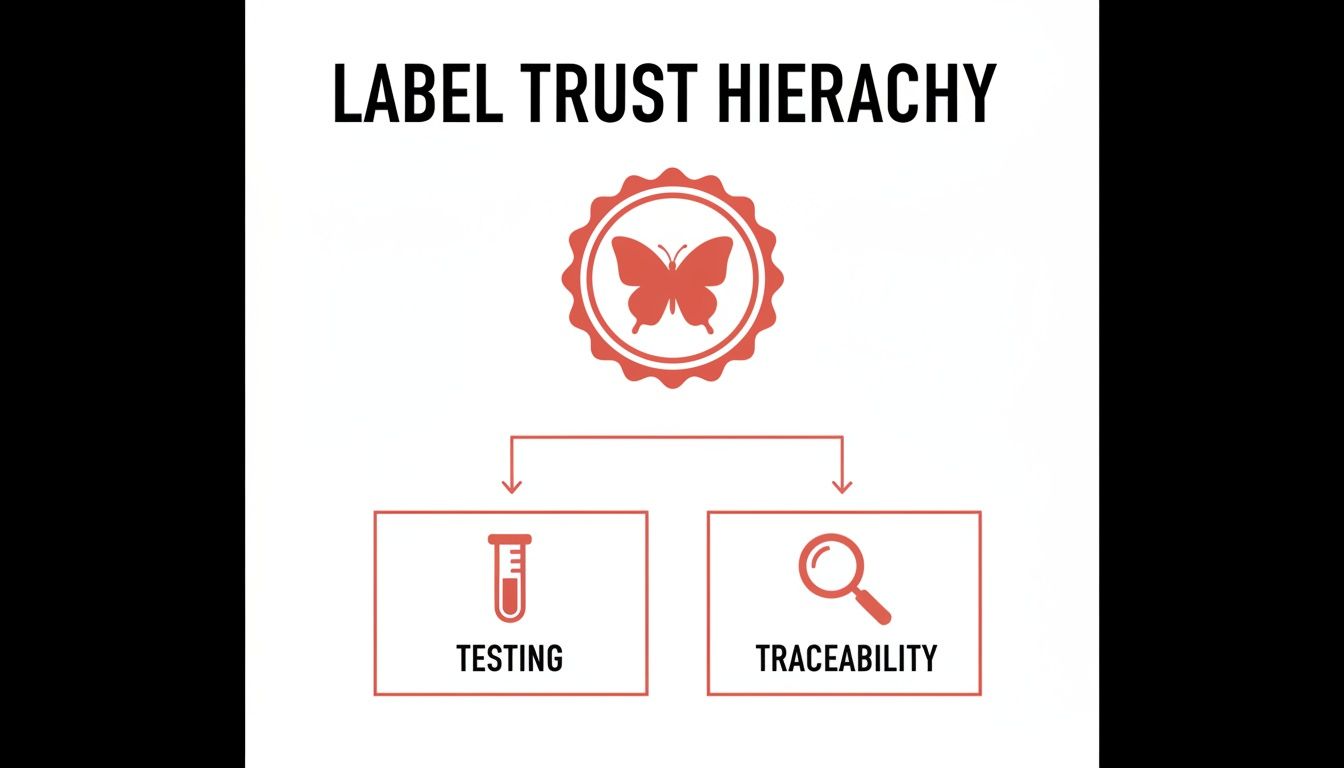
The butterfly symbol isn't just a pretty picture; it represents a serious commitment to verifiable science and a transparent supply chain, giving you confidence in what you're buying.
A Clear Comparison for Your Family
When you're trying to quickly decide what's best, it helps to see the promises of each label side-by-side. Here’s a simple breakdown of what each certification guarantees.
Comparing Non-GMO Project Verified and USDA Organic
| Feature | Non-GMO Project Verified | USDA Organic |
|---|---|---|
| GMOs Prohibited? | Yes, this is its primary focus. | Yes, GMOs are strictly prohibited. |
| Synthetic Pesticides & Herbicides Banned? | No, this is outside its scope. | Yes, the vast majority are banned. |
| Synthetic Fertilizers Banned? | No, this is not covered. | Yes, farmers must use natural methods. |
| Antibiotics or Growth Hormones Banned (in animal products)? | No, this is not part of the standard. | Yes, these are strictly prohibited. |
| Protects Soil Health & Biodiversity? | Not directly. | Yes, these are core principles of organic farming. |
This table makes it clear: while the Non-GMO Project seal is excellent for its specific purpose, the USDA Organic certification offers a much broader set of assurances for your family's health and the environment.
The Gold Standard for Worry-Free Snacking
So, what’s the takeaway for your next grocery trip? If you're choosing between a conventional snack and a non-GMO one, the non-GMO option is a fantastic upgrade. You’re actively choosing to avoid genetically engineered ingredients.
However, if you see a snack that is both Certified Organic and Non-GMO Project Verified, you’ve hit the jackpot. This is the gold standard. It means the brand has gone the extra mile to meet the highest standards for both ingredient purity and sustainable farming.
This double certification offers the most comprehensive peace of mind. It’s a clear signal that you’re getting a clean, thoughtfully sourced snack for your kids, free from GMOs and a whole lot more.
As you explore these options, it's helpful to understand the full scope of what these labels promise. You can get a clearer picture by reading our guide on what does certified organic mean for your family’s snacks. Ultimately, choosing snacks with these top-tier labels makes healthy eating simpler and more transparent.
Why Modern Parents Are Choosing Non-GMO Snacks
Putting science and certifications aside for a moment, what’s really driving parents to reach for non-GMO snacks? It boils down to a powerful desire for transparency and a return to simpler, more recognizable ingredients—especially when it comes to feeding our kids.
For so many of us, choosing a non-GMO snack bar isn't about fear. It's about feeling empowered. It’s a proactive step toward a lifestyle built on wholesome nutrition. Parents today are on the hunt for cleaner food, and that little non-GMO label is a clear signal that a brand is actually listening.
A Return to Simpler Ingredients
Think about snack time. You want to give your kids something delicious that you also feel genuinely good about serving. The whole push for non-GMO foods is often a quiet rebellion against those long, complicated, hard-to-pronounce ingredient lists. It’s a vote for food that feels closer to its natural source, and that brings a real sense of comfort and trust.
Choosing non-GMO snacks is about more than just avoiding one thing; it's about embracing a philosophy of simplicity. It’s a way to feel confident that you’re providing wholesome, delicious fuel for your family's biggest adventures and quietest moments.
And this isn't just a niche trend—it's exploding. The non-GMO foods market has been growing at a 13.74% compound annual growth rate, swelling by USD 1.03 billion, with North America leading the charge. This surge is fueled by families and health-conscious people who are actively seeking out brands that offer simple, organic snacks. You can read the full analysis on the non-GMO market growth for all the details.
Let’s be real, modern parents have a lot on their plates. Learning about achieving less stressful parenting can free up the mental space needed to make informed choices about family nutrition, like which snacks to pack for school.
Making a Conscious Choice
Opting for non-GMO is an intentional decision that fits into a bigger picture of family wellness. It’s about being mindful of what goes into our bodies and, on a larger scale, supporting a food system that values transparency from farm to pantry.
When you pick a non-GMO snack, you’re often casting a vote for:
- Ingredient Transparency: You’re backing brands that are upfront about where their ingredients come from.
- Environmental Considerations: Many parents connect non-GMO with farming practices that feel gentler on the planet.
- Wholesome Habits: You're teaching your kids to value real, simple foods from the start.
Ultimately, reaching for that non-GMO snack is a small but meaningful act. It’s a simple way to align your family's daily habits with your values, turning every cookie, cracker, and snack bar into a choice you can feel great about.
How to Find the Best Non-GMO Foods for Your Family
Alright, you’re ready to become a confident, label-reading superstar on your next shopping trip. It’s honestly easier than you think. Once you know what to look for, you’ll be spotting the best non-GMO snacks for your family in seconds.
The simplest and most reliable way to find non-GMO foods is to look for the Non-GMO Project Verified seal. That little butterfly logo is your best friend in the snack aisle. It means the product has been independently verified to meet strict standards for avoiding GMOs, giving you immediate peace of mind.
Scan the Ingredient List Like a Pro
Beyond the butterfly, a little ingredient detective work goes a long way, especially when you’re checking out new kids snack bars or cookies. Most of the GMOs in our food supply come from just a handful of high-risk crops.
If you spot these ingredients on a label and the product doesn't have a Non-GMO or Organic seal, there’s a very high chance they come from genetically modified sources.
Your Cheat Sheet for High-Risk GMO Crops:
- Corn: Found in just about everything, from corn syrup and cornstarch in cookies to corn oil.
- Soybeans: Often used for soy protein, soy lecithin (an emulsifier in many bars), and soybean oil.
- Canola: A common source for vegetable oil used in baked goods and other snacks.
- Sugar Beets: Over 95% of sugar beets grown in the U.S. are genetically modified. Unless a product specifies "cane sugar," the sugar is likely from GMO beets.
- Cotton: Used for cottonseed oil in some processed snacks.
Knowing this list helps you understand what non-GMO means in the real world. When you see "corn syrup" on a conventional granola bar, you can make a truly informed choice.
Make Simple, Delicious Swaps for Snack Time
Finding the best non-GMO foods isn’t about restriction; it's about fun and delicious discovery! It’s about swapping out the usual suspects for snacks that are just as tasty (or tastier!) and made with ingredients you can feel great about. This is especially important for the snacks your kids eat every single day.
Here are a few easy swaps to fill your pantry with goodies your kids will genuinely love:
- Swap Conventional Granola Bars for Organic & Non-GMO Kids Snack Bars: Many mainstream bars are loaded with corn syrup from GMO corn and soy protein isolates. Look for bars made with simple, organic ingredients like dates, oats, and real fruit. They deliver a clean energy boost without the GMOs.
- Trade Standard Cookies for Soft-Baked Organic Cookies: Instead of cookies made with GMO sugar beet sugar and soybean oil, choose options that use organic cane sugar and coconut oil. They are often softer, chewier, and made with wholesome ingredients that taste homemade.
- Ditch Conventional Crackers for Certified Organic Options: Many crackers contain soybean or canola oil. An organic version will be non-GMO by default and won’t contain synthetic pesticides—a double win for your family.
By focusing on these simple swaps, you can easily upgrade your family’s snacking habits without any fuss. You’ll be a pro at finding the best non-GMO foods in no time.
Making Healthy Snacking a Fun Family Adventure
Let’s be honest, choosing the right snacks for your family can feel like one more thing on an endless to-do list. But it doesn’t have to be a chore—in fact, it can be a really fun discovery. Understanding what does non GMO mean gives you the power to make confident choices that help your household thrive. It’s all about getting back to simple, real ingredients and turning snack time into a moment of connection.
This is the perfect chance to bring your kids into the conversation and get them excited about the food they eat. When they have a little say in what goes into the pantry, they’re so much more likely to get on board with wholesome options.
Get Your Kids Involved in the Kitchen
Turn your little ones into snack-time superheroes by giving them fun, age-appropriate missions in the kitchen. Not only does it make healthy eating more engaging, but it also teaches them valuable skills and builds their confidence around food.
Try these simple ideas to make it an adventure:
- Let Them Be the Flavor Boss: When you’re stocking up on snack bars, let them pick their favorite flavors. It’s a small choice that gives them a sense of ownership and makes them feel heard.
- Become Baking Buddies: Spend an afternoon whipping up a batch of soft cookies with simple, organic, and non-GMO ingredients. Measuring, mixing, and—of course—taste-testing is the perfect way to bond.
- Create a Snack Station: Designate a drawer or basket in the pantry as the official "grab-and-go" zone. Fill it with trusted snacks like Skout Organic bars and cookies that you feel great about and they love to eat.
Choosing delicious, non-GMO snacks is about so much more than just fuel. It's about building a positive relationship with food and laying the foundation for healthy habits that can last a lifetime. You're teaching your kids to love and appreciate real, wholesome food.
By making snack selection a fun family activity, you empower everyone to make better choices. For more great ideas on keeping snack time both nutritious and exciting, check out our guide to healthy snacks for kids. You're not just filling a lunchbox; you're nurturing a love for good food, one delicious bite at a time.
Answering Your Top Non-GMO Questions
Let's clear up a few more common questions. This section provides quick, clear answers to help you feel even more confident about choosing non-GMO snacks for your family.
Are Non-GMO Foods Automatically Healthier?
While "non-GMO" isn't a direct health claim, it does mean your food is made without genetically engineered ingredients. The real health boost often comes from the bigger picture—shoppers who look for non-GMO and organic labels tend to choose more whole foods and minimally processed snacks in general.
A non-GMO cookie is still a treat, of course. But choosing one that is also organic ensures you're avoiding synthetic pesticides, which is a huge win for a cleaner diet. Think of it as an upgrade for your pantry staples.
Why Are Non-GMO and Organic Products More Expensive?
Sometimes these products have a higher price tag because the farming and certification processes are just plain more complex and costly. It takes a lot more work to maintain organic fields and meet the tough standards required to earn those verification seals.
However, many parents view it as an investment in their family's well-being and their own peace of mind. You can find affordable options, especially from brands dedicated to making healthy food accessible. Subscribing to your favorite snacks can also help you save money while keeping your pantry stocked with trusted kids snack bars and cookies.
For complete confidence, it’s always best to look for a third-party certification like the Non-GMO Project Verified butterfly or the USDA Organic seal. These logos mean the product has passed rigorous, independent testing and gives you the assurance you deserve.
Can I Trust a "GMO-Free" Claim Without a Seal?
For total certainty, you'll want to look for those official, third-party certification seals. A simple "GMO-Free" claim on a package isn't regulated in the same way and might not be independently verified.
Sticking with the official certifications is the easiest way to shop with absolute certainty. They do the hard work for you, so you can just grab, go, and feel great about what your family is eating.
Ready to fill your pantry with snacks that are simple, delicious, and certified amazing? Skout Organic makes it easy with our range of kids’ snack bars and soft-baked cookies that are always organic and Non-GMO Project Verified. Build your custom snack box today and make every snack time a joyful adventure! Find your family's new favorites at https://www.skoutorganic.com.