 Kids Snack Bars
 Soft-Baked Cookies
 Protein Bars
 Build A Box
 Shop All




When it comes to healthy snacks for kids, the goal is simple: find yummy things that combine real nutrients, like protein and fiber. This is the magic combo for sustained energy, stable moods, and all that non-stop growing they do. So, what's on the menu? Think fruit with nut butter, yogurt with berries, or a simple, whole-ingredient snack bar that actually keeps them full and focused between meals. Let's dive in!
The Secret Power of Smart Snacking
Let's be real—a 'hangry' kid can bring the entire day to a screeching halt. That lightning-fast switch from happy kid to full-blown meltdown is a scene every parent knows by heart. But what if we stopped seeing snacks as just a treat or a way to buy a few quiet minutes? What if, instead, we viewed them as our secret weapon for a happier, smoother family life?
Kids aren't just tiny adults, especially when it comes to how they eat. Their stomachs are smaller, so they can't hold as much food, yet their energy levels burn through fuel like a race car. This means they need regular, smart refueling stops to keep their bodies and brains humming along. The right snack isn't just a bite to eat; it's the bridge between meals that keeps everything on track.
Fueling Fun and Focus
Think of a good snack as a deposit into your child's energy bank. A sugary, processed treat is like a quick cash withdrawal—you get a short burst of excitement, but it’s followed by a crash that leaves them irritable and tired. A well-chosen snack, on the other hand, provides a steady, slow release of energy.
This makes a huge difference in their day-to-day world:
- Stabilized Moods: Consistent energy levels are key to preventing those infamous mood swings. (Hooray!)
- Sharpened Focus: A nourished brain is way better at concentrating on schoolwork, listening to instructions, and diving into creative play.
- Essential Growth: Snacks are extra chances to pack in the vitamins, minerals, and other building blocks their growing bodies desperately need.
The goal is to see snacking as a tool. It’s an opportunity to fill nutritional gaps and ensure your child has the stamina to learn, play, and grow—without the dramatic highs and lows that empty-calorie options bring.
Making Healthy Snacking Easy
The good news? You don’t have to be a gourmet chef to become the family’s snack-time hero. Dishing out nutritious options is way easier than you might think. From delicious, kid-approved snack bars to simple homemade cookies, there are endless ways to make healthy choices both convenient and fun. Ready to give it a try?
And we’re not the only ones thinking this way. The global market for healthy kids' snacks was valued at a whopping $6.57 billion in 2024 and is projected to nearly double. You can discover more insights about the healthy snacks market and its impressive growth. This massive shift proves that parents everywhere are looking for better, simpler solutions—and they're finding them.
Becoming a Nutrition Label Detective
Walking down the snack aisle can feel like an ambush of bright colors, smiling cartoons, and bold health claims. "All-natural," "gluten-free," and "made with real fruit" sound great on the front of the box, but what do they actually mean?
To find snacks that are genuinely good for your kids, you need to put on your detective hat and flip the package over. The real story is always hiding in the small print of the nutrition label. It’s here that you can separate the truly nourishing options from the sugary imposters.
The Five-Ingredient Rule
A fantastic starting point for any label detective is the Five-Ingredient Rule. It’s simple: if you can't pronounce the ingredients, or if the list is a mile long, it's often a red flag.
The best snacks are made from whole foods you recognize, like dates, oats, seeds, and fruit. A short, simple ingredient list usually means the product is less processed and free from the unnecessary additives and artificial flavors that sneak into so many packaged goods. We recommend looking for snack bars and cookies that follow this rule!
The Big Three to Scrutinize
When you flip over that package, your mission is to zero in on three critical pieces of information. These will tell you almost everything you need to know.
-
Added Sugars: This is your top priority. Look for snacks with low to no added sugars. Natural sugars from whole fruits are perfectly fine, but added sugars (like cane sugar or corn syrup) often lead to energy crashes and unhealthy cravings.
-
Fiber: Fiber is your friend! It helps kids feel full and satisfied while aiding digestion. Snacks high in fiber from sources like oats and seeds provide slow, sustained energy for playtime.
-
Protein: Protein is essential for building strong muscles and keeping kids energized. Look for snacks that offer a good source of protein from ingredients like nuts, seeds, or whole grains to keep them powered up.
To make this even easier, think of it as a quick "Green Light, Red Flag" check. This table breaks down what to look for versus what to avoid.
Decoding the Nutrition Label: What to Look For
| Nutrient/Ingredient | Green Light (Look For This) | Red Flag (Avoid This) |
|---|---|---|
| Sugar Source | Whole fruits (e.g., dates, berries) | High-fructose corn syrup, cane sugar, agave |
| Ingredient List | Short, simple, and recognizable | Long list with chemical-sounding names |
| Protein & Fiber | Present from whole-food sources | Little to no fiber or protein |
| Sweeteners | Natural sources like fruit | Artificial sweeteners (e.g., sucralose) |
| Fats | Healthy fats from nuts and seeds | Partially hydrogenated oils (trans fats) |
| First Ingredient | A whole food like oats, nuts, or fruit | Sugar or a refined flour |
Keep this mental checklist handy, and you'll become a pro at spotting the good stuff in no time.
Think of it this way: added sugars are like a rocket that quickly burns out, while protein and fiber are like steady logs on a fire, providing long-lasting warmth and energy. The goal is to choose the logs, not the rocket.
Parents are catching on, and this demand for cleaner snacks is reshaping the entire industry. The global kid snacks market is booming, with an estimated value of $72.2 billion and an 8.0% annual growth rate, all driven by families seeking snacks free from artificial junk.
This handy visual shows just how much goodness comes from focusing on whole foods.
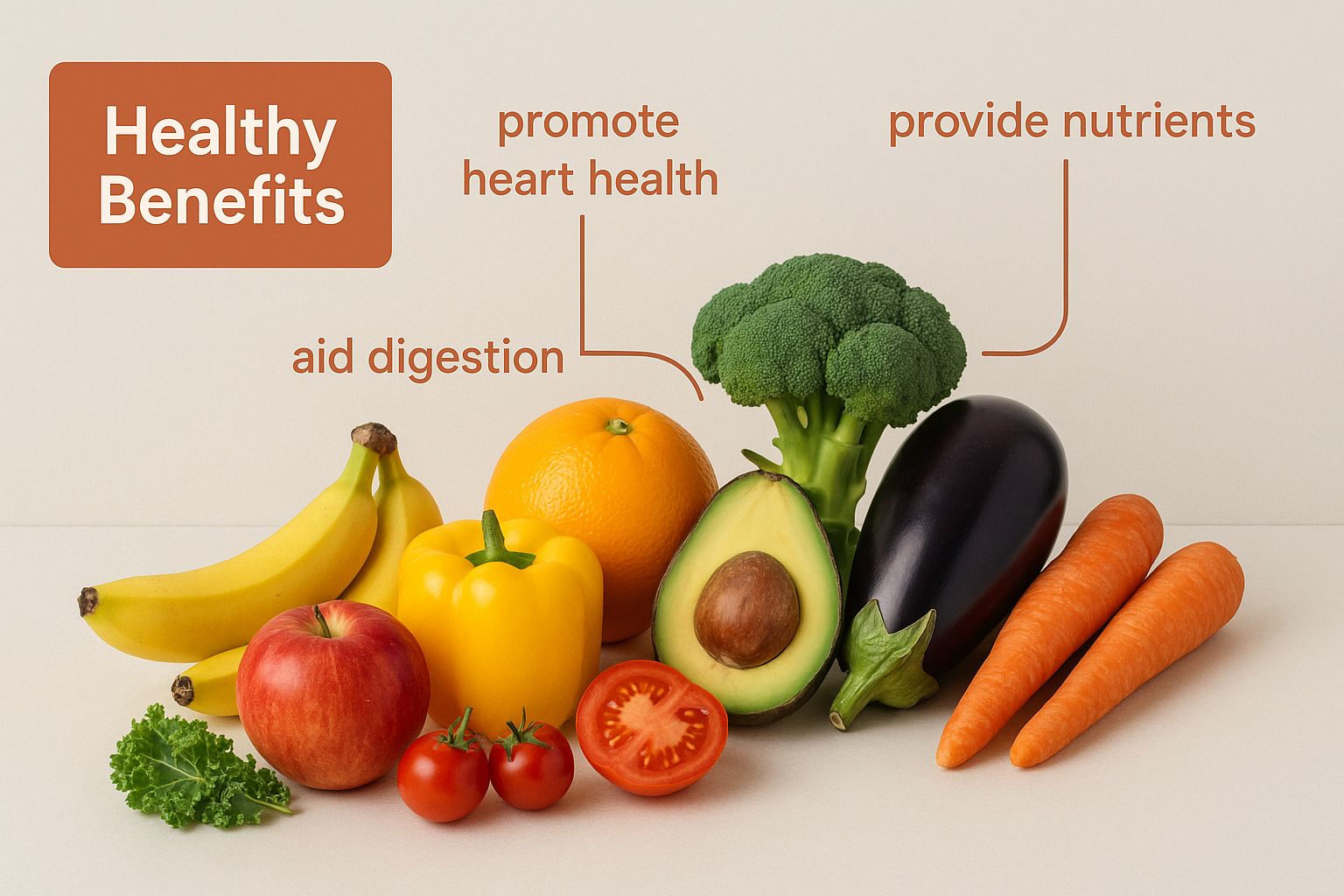
As you can see, focusing on real ingredients provides the building blocks for a healthy, active childhood. To find awesome snack bars and cookies that meet these high standards, why not check out some of the great options at https://www.skoutorganic.com?
To take your family's health journey a step further, you might consider finding the best app to track food for your health goals. Using an app can help you visualize your family's daily intake and ensure everyone is getting the balanced nutrition they need.
By becoming a confident nutrition label detective, you empower yourself to make the best choices for your family, turning every snack time into a victory.
The Building Blocks of a Great Snack
So, what exactly turns a simple bite into a super-powered snack? It’s not magic, but there is a simple formula—one we like to call the 'Power Trio.' This isn't about complicated nutrition science; it's about combining three essential building blocks: Protein, Healthy Fats, and Fiber.
When you get these three working together, you create snacks that do more than just fill a tummy. They build a foundation for steady energy, sharp focus, and happy moods. No more post-snack crashes.
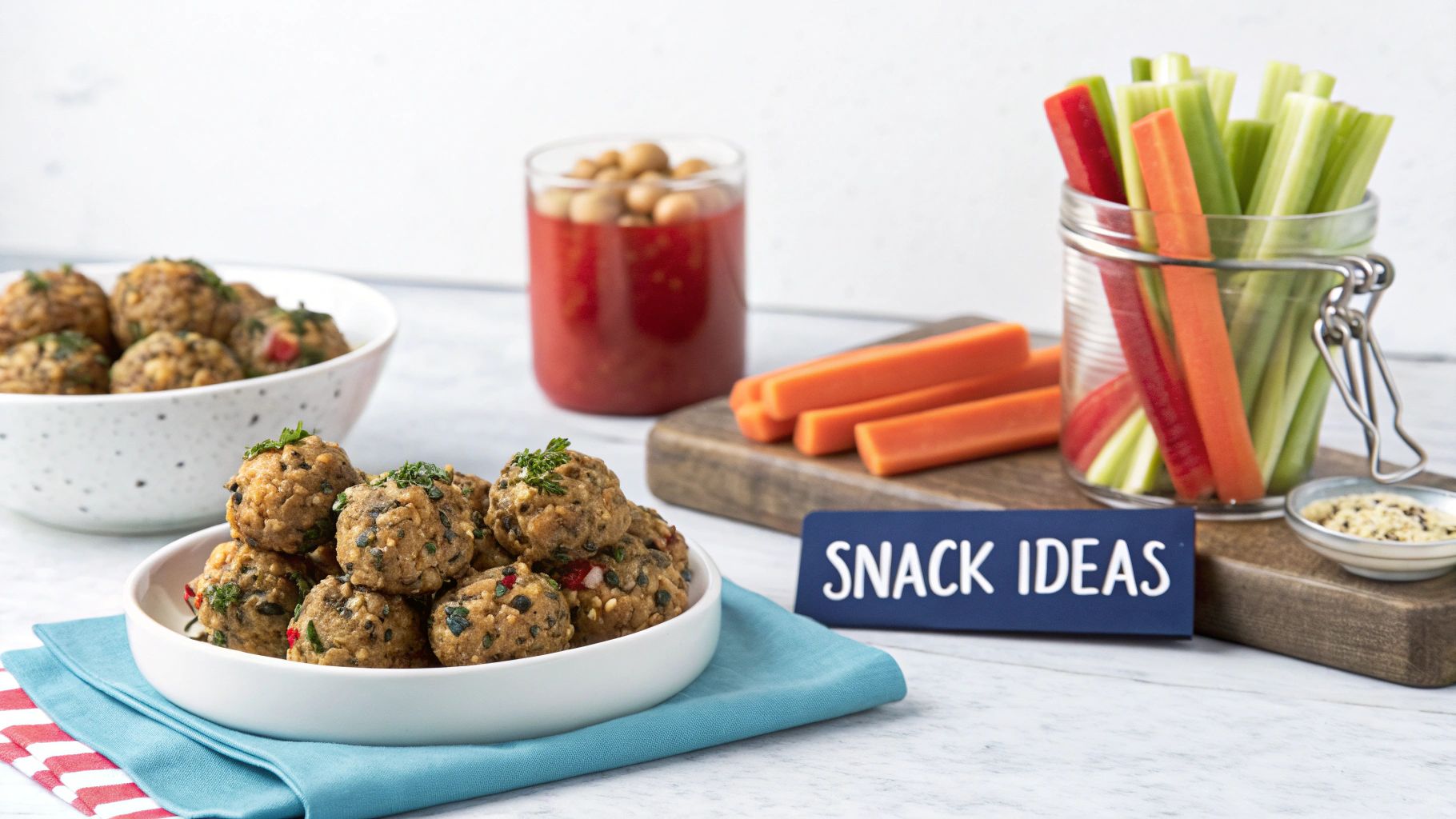
Think of these components as the ultimate team for your kid's body. Each one has a specific, vital job to do, and together, they keep your little one feeling full, focused, and ready for whatever adventure comes next. Let's break down this dream team.
Protein: The Muscle Builder
First up is protein, the superhero of building blocks. Protein is responsible for building and repairing just about everything—muscles, skin, hair, you name it. For kids who are constantly running, jumping, and growing, getting enough protein is completely non-negotiable. It provides the strength their bodies need to keep up with all that boundless energy.
But protein does more than just build. It’s also a key player in making kids feel full and satisfied after they eat. A protein-rich bite helps fend off those "I'm still hungry!" complaints just minutes after snack time.
- Easy Protein Sources: Greek yogurt, cheese sticks, hard-boiled eggs, seeds, and beans are all fantastic, kid-friendly options.
Healthy Fats: The Brain Fuel
Next, let's talk about healthy fats. For a long time, fats got a bad rap, but they are absolutely essential for a child's development—especially for their brilliant, growing brains. In fact, a child's brain is made up of nearly 60% fat, and it relies on a steady supply of the good stuff to learn and function properly.
We're not talking about the fats you find in greasy, fried foods. We mean the powerful fats from sources like avocados, nuts (if allergies aren't a concern), and seeds. These fats support brain health, help the body absorb vitamins, and provide a long-lasting source of energy that keeps their mental gears turning smoothly.
A snack that combines these elements acts like a perfectly balanced team. Protein provides structure, healthy fats fuel the brain, and fiber ensures the whole system runs smoothly and efficiently for hours of play and learning.
Fiber: The Engine Regulator
Last but definitely not least is fiber. Think of fiber as the trusty engineer keeping the body's engine running smoothly. It helps with healthy digestion and, just like protein, is a champion at making kids feel full. This is a game-changer for preventing overeating and keeping blood sugar levels from going on a rollercoaster ride.
When a snack has a good dose of fiber, it slows down how quickly the body absorbs energy. That means the energy is released slowly and steadily, preventing the dreaded sugar crash that often follows a less-balanced treat. It's this sustained energy that keeps kids engaged in the classroom or on the playground without those sudden slumps.
- Fantastic Fiber Finds: Whole fruits (like apples and berries), veggies (carrots and celery), oats, and whole-grain crackers are packed with this essential nutrient.
Creating Winning Combinations
The real magic happens when you start combining these building blocks. A snack with just one of these elements is good, but a snack that features two or all three? That’s a true powerhouse. This is how you create snacks that actually satisfy hunger, stabilize moods, and provide genuine nourishment. So, go on, give it a shot and see what fun combos you can create!
Here are a few simple, winning combinations that put the Power Trio into action:
- Apple Slices with Sunbutter: You get fiber from the apple and a fantastic mix of protein and healthy fats from the sunflower seed butter.
- Greek Yogurt with Berries and Seeds: This bowl is a triple threat, delivering protein from the yogurt, fiber from the berries, and healthy fats from the seeds.
- Whole-Grain Crackers with Hummus: A classic for a reason! This pairing provides fiber from the crackers and a great blend of protein and fiber from the hummus.
Once you master this simple "why" behind a balanced snack, it becomes so much easier to create your own winning combos and turn every snack time into a powerful refueling opportunity.
Easy Homemade Recipes Kids Will Actually Eat
Ready to roll up your sleeves? Making your own healthy snacks doesn’t have to be a huge production. Honestly, some of the best, most nutrient-packed treats are the ones that come together in just a few minutes with simple, whole-food ingredients you probably already have.
This is your chance to whip up snacks you feel incredible about serving, all while making some fun memories with your little sous chefs. We’re focusing on easy, healthy twists for classics kids already love, proving that homemade can be both simple and totally irresistible.
5-Minute No-Bake Energy Bites
These little powerhouses are the perfect entry point for any budding kitchen helper. There’s zero baking involved, they’re loaded with the "Power Trio" of protein, healthy fats, and fiber, and they’re incredibly fun for little hands to squish and roll into balls.
The base recipe is super forgiving, so don't be afraid to experiment with different add-ins to find your family's favorite combo.
Base Ingredients:
- 1 cup rolled oats
- 1/2 cup sunflower seed butter (or any nut/seed butter)
- 1/3 cup honey or maple syrup
- 1 teaspoon vanilla extract
- A pinch of salt
Fun Add-Ins (choose 1-2):
- 2 tablespoons mini chocolate chips
- 2 tablespoons shredded coconut
- 2 tablespoons chia seeds or ground flax seeds
- 1/4 cup finely chopped dried fruit
Just mix everything in a bowl until it’s combined. If the mixture feels a little dry, add a splash of water; if it’s too sticky, toss in a few more oats. Then, let your kids get their hands messy and roll the dough into bite-sized balls. Pop them in the fridge for a perfect grab-and-go snack.
Magic 2-Ingredient Banana Oat Cookies
This sounds way too good to be true, but these cookies are pure magic. They have absolutely no added sugar and get all their sweetness from ripe bananas, making them a fantastic, soft-baked option for toddlers and big kids alike.
Here’s the ridiculously simple recipe:
- In a bowl, mash two large, very ripe bananas until they’re mostly smooth.
- Stir in one cup of rolled oats until everything is mixed together.
- Optional: Add a sprinkle of cinnamon or a handful of blueberries for extra flair.
- Drop spoonfuls of the mixture onto a parchment-lined baking sheet and bake at 350°F (175°C) for about 15 minutes.
These cookies are proof that healthy kids snack bars and treats don’t need a laundry list of ingredients. For another classic with a wholesome spin, check out our guide to making an irresistible and healthier banana pudding.
The Smart Role of Store-Bought Snacks
Let’s be real for a second—life gets hectic. Between school drop-offs, soccer practice, and everything in between, you won’t always have time to make snacks from scratch. And that is 100% okay.
Having high-quality, store-bought options on hand isn’t a compromise; it’s a smart strategy for busy families. This is where awesome kids snack bars and cookies come to the rescue!
Think of quality store-bought snacks as your reliable backup team. They ensure that even on the most chaotic days, you can still provide a nutritious and satisfying option without the stress.
This is where your "Nutrition Label Detective" skills are key. Look for brands that stick to short ingredient lists filled with real, organic foods you actually recognize. Snacks like Skout Organic Kids Snack Bars and soft-baked cookies are designed to be exactly that—a convenient, trustworthy choice you can feel great about tossing into a lunchbox or backpack.
And you’re not alone in wanting better options. The global market for healthy kids' snacks is projected to hit $18.3 billion by 2032, driven by parents just like you who are searching for convenient, clean-ingredient foods. This shift is making better food more accessible for everyone.
The goal is a balanced approach. Have fun making simple recipes at home when you can, and lean on trusted, quality brands for those moments when you just need a quick, easy win. This combination ensures you’ve always got a fantastic, healthy choice ready to go, no matter what your day looks like.
Smart Snack Prep for Busy Families
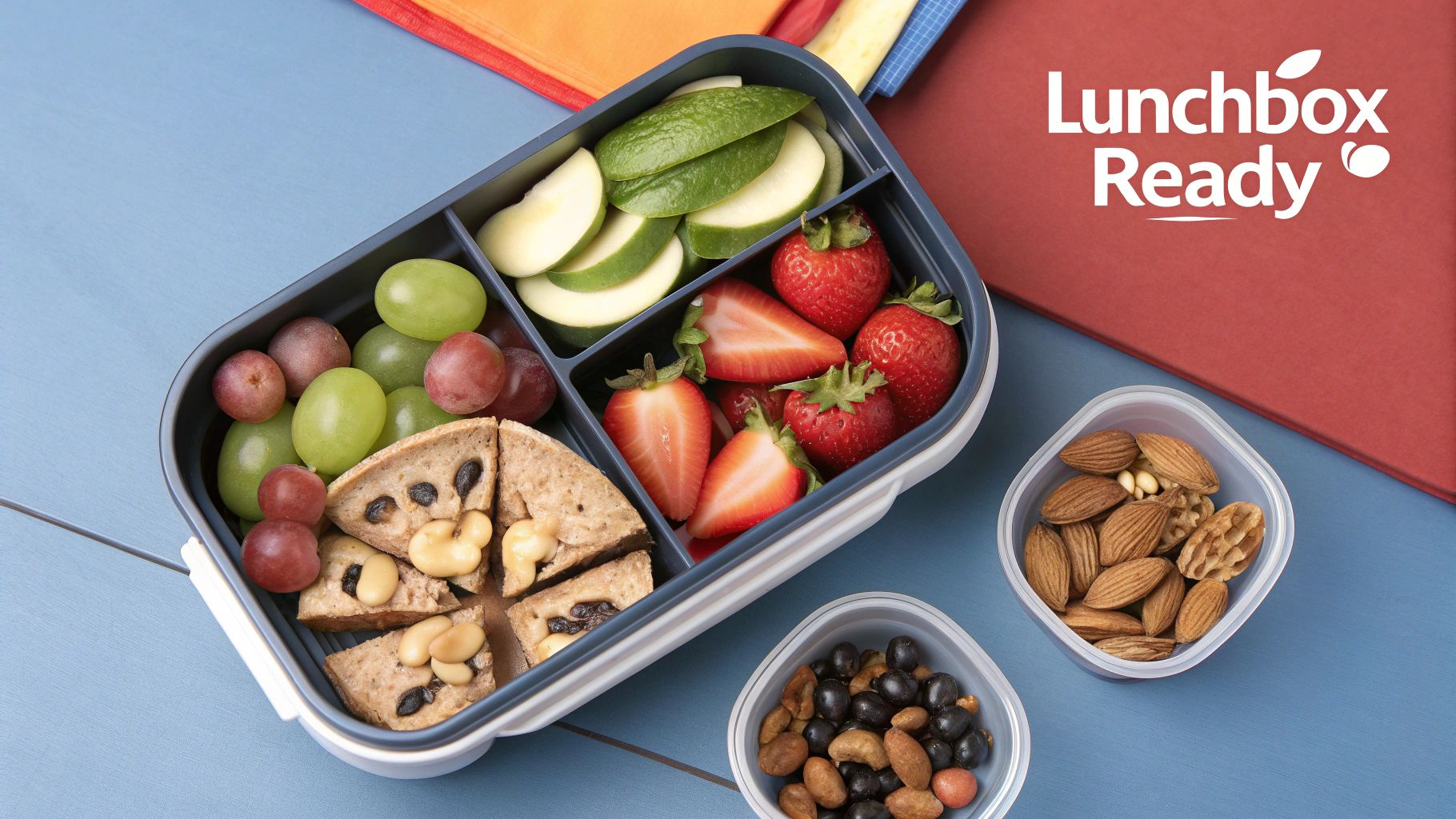
Let’s be real—the secret to getting healthy snacks into your kids' hands isn’t about magically finding more hours in the day. It’s about creating a smarter system. For most families, the time between school, sports, and everything else can feel like an absolute mad dash. That’s when the temptation to grab the easiest, and often least-healthy, option is at an all-time high.
But a little bit of prep can completely change the game. By spending just a few minutes planning, you can set your family up for a week of nutritious, easy wins. This isn’t about adding another chore to your list; it’s about making your life easier and taking the guesswork out of those frantic mornings and chaotic afternoons.
Create a Weekly Snack Station
One of the most effective strategies is to create a dedicated ‘Snack Station’ in your fridge and pantry. Think of it as a designated zone filled with pre-portioned, grab-and-go options that are both parent-approved and kid-accessible. It empowers your kids to make their own good choices, giving them a little independence while ensuring they're fueling their bodies with the right stuff.
Imagine a low shelf in the fridge stocked with small containers of yogurt, washed berries, cheese sticks, and little bags of baby carrots. In the pantry, a matching basket could hold whole-ingredient kids snack bars, portioned-out crackers, or homemade energy bites. This system turns "Mom, I'm hungry!" into a simple, self-serve solution.
Master the Art of Batch Prepping
Batch prepping isn't just for dinners. Applying the same idea to snacks is a total game-changer. Dedicate a small chunk of time on Sunday to get items ready for the week ahead. Trust us, this simple habit saves you from the daily scramble and ensures a healthy option is always ready to go.
Here are some genius hacks to get you started:
- Smoothie Packs: Fill freezer bags with smoothie ingredients like spinach, frozen bananas, and berries. In the morning, just dump a bag into the blender with some milk or water for an instant, nutrient-dense drink. No measuring, no mess.
- Trail Mix Portions: Buy ingredients like seeds, dried fruit, and whole-grain cereal in bulk and portion them into small, reusable containers. It's way healthier and more affordable than pre-packaged versions that are often loaded with sugar and unhealthy oils.
- Veggie and Dip Cups: Pre-slice cucumbers, bell peppers, and carrots and stand them up in small jars or containers with a dollop of hummus or bean dip at the bottom. Easy, crunchy, and fun to eat.
A well-stocked snack station is like having your own personal, healthy convenience store right at home. It removes decision fatigue and makes the best choice the easiest choice for everyone.
Packing the Perfect On-the-Go Snack Box
Taking the guesswork out of packing a balanced snack for school or outings is simple when you have a mental checklist. The goal is to include a mix of the 'Power Trio'—protein, healthy fats, and fiber—to make sure the snack provides lasting energy, not just a quick sugar rush.
A Simple Snack Box Checklist:
- Choose a Fruit or Veggie: This provides fiber and essential vitamins. Think apple slices, grapes, or cucumber rounds.
- Add a Protein Source: This keeps them full and focused. Options include a hard-boiled egg, a cheese stick, or a handful of roasted chickpeas.
- Include a Healthy Crunch: For that satisfying texture, add whole-grain crackers, seed-based crackers, or a small handful of popcorn.
- Toss in a Trusted Bar or Cookie: For ultimate convenience, a Skout Organic Kids Snack Bar or soft-baked cookie makes a perfect, no-mess addition that you can always feel good about.
A few minutes of planning can truly save you from those last-minute, less-healthy choices that come from being unprepared. It’s a simple shift that makes providing healthy snacks for kids an effortless part of your routine.
Your Common Snacking Questions Answered
Navigating the world of kids' snacks can feel like a pop quiz you didn't study for. Just when you think you have it all figured out, a new challenge pops up—whether it's a sudden bout of picky eating or a question about how many snacks are too many. Don't worry, you're not alone.
We've gathered the most common questions parents have about snacking to give you clear, practical, and judgment-free answers. Think of this as your go-to guide for solving those tricky situations with confidence.
How Many Snacks Does My Child Really Need Each Day?
This is one of the biggest questions out there, and the answer isn't one-size-fits-all. It really depends on your child's age and how much they're running around. A good rule of thumb is two to three planned snacks for toddlers and preschoolers, and maybe one or two for school-aged kids.
Their little stomachs can't handle big meals like adults can, so they need to refuel more often to keep their energy (and moods) stable. The goal is to offer snacks at predictable times between meals to prevent constant grazing. This structure helps them get the nutrients they need without ruining their appetite for lunch or dinner. When in doubt, listen to their hunger cues and have a healthy option ready.
How Can I Get My Picky Eater to Try Healthy Snacks?
Ah, the picky eater. This can be one of the most frustrating challenges for parents. The secret here is to lower the pressure and turn up the fun. Instead of a battle of wills, make trying new foods a low-stakes adventure.
Involve them in the whole process. Let them pick out a new, colorful fruit at the grocery store or be in charge of stirring the ingredients for homemade energy bites. Presentation also makes a huge difference—use cookie cutters to turn apple slices into fun shapes or arrange veggies into a silly face on their plate.
Another great strategy is pairing a new food with a familiar favorite they already love. For more ideas on this, check out this great resource for making healthy eating easier for kids. The most important thing is to celebrate the small victories, even if it's just them trying a single bite.
The less you push, the more likely they are to explore. Keep offering a variety of healthy snacks for kids without forcing the issue, and you'll create a positive environment where they feel safe to try new things on their own terms.
Are Store-Bought Snack Bars and Cookies a Good Option?
Absolutely! Let’s be realistic—life is busy, and having reliable, healthy store-bought options in your pantry is a total game-changer, not a compromise. Homemade is wonderful, but it’s not always possible. The right packaged snack can be a lifesaver on chaotic days.
This is where your "Nutrition Label Detective" skills come in handy. When you're choosing kids snack bars or cookies, look for ones with short, simple ingredient lists that you can actually recognize—things like oats, dates, seeds, and real fruit. Pay close attention to the added sugar, aiming for brands that keep it low or use natural sweeteners from fruit. Brands that prioritize whole, organic ingredients are perfect for stashing in a backpack, car, or purse for a convenient, guilt-free snack.
What Are Some Good Nut-Free Snacks for School?
With nut allergies being a serious concern in many schools, finding safe and satisfying snacks can feel like a real challenge. The good news? There are tons of fantastic, nut-free choices that are both delicious and packed with nutrients.
Sunflower seed butter is a brilliant swap for peanut butter and works perfectly with apple slices, celery sticks, or whole-grain crackers. Other excellent, protein-packed options that are typically school-safe include:
- Cheese sticks or cubes
- Yogurt tubes or pouches
- Hard-boiled eggs
- Roasted chickpeas or edamame
- Seed-based snack bars
Always remember to read labels carefully, as manufacturing processes can change. Many brands will clearly state if their products are made in a dedicated nut-free facility, giving you extra peace of mind. By stocking up on these alternatives, you can ensure your child always has a safe and healthy snack for kids to enjoy at school.
At Skout Organic, we believe that providing healthy, delicious snacks for your family should be simple and joyful. Our organic, plant-based bars and cookies are crafted with simple ingredients to deliver the nourishment your kids need and the flavors they love.
Ready to make snack time easier? Explore our collection and build your own custom snack box today at https://www.skoutorganic.com.
Article created using Outrank