 Kids Snack Bars
 Soft-Baked Cookies
 Protein Bars
 Build A Box
 Shop All





Ever feel like you need a detective’s magnifying glass just to figure out what ‘certified organic’ actually means on that box of snack bars for your kids? You're not alone. It's a jungle out there in the grocery aisle!
But let's make it simple. That certified organic seal is a promise. It’s your guarantee, backed by seriously strict government standards, that the yummy ingredients inside were grown and processed without most synthetic pesticides, genetically modified organisms (GMOs), or artificial fertilizers. Phew!
Cracking the Code on Your Kids' Snack Labels
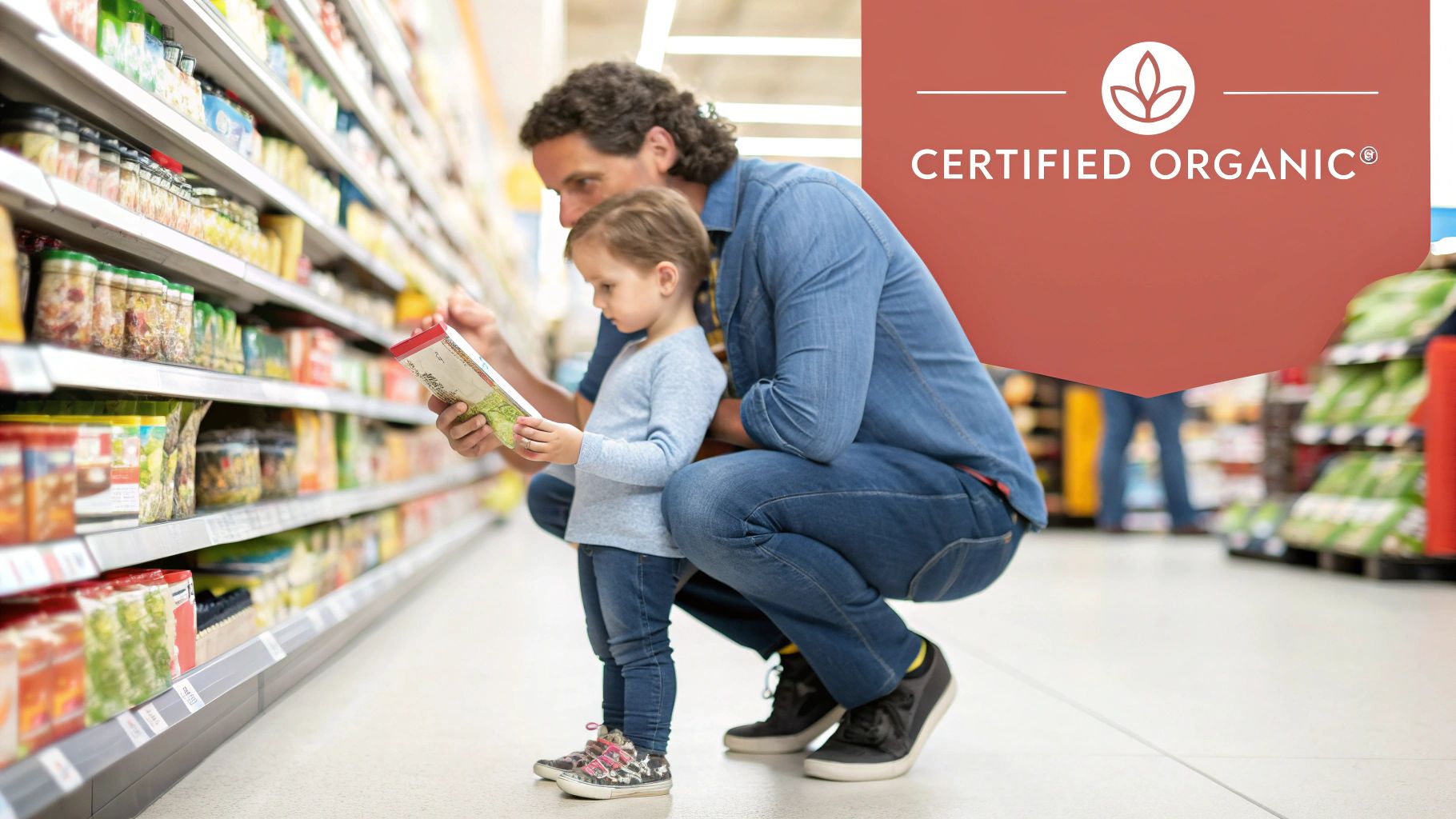
Let’s solve this mystery once and for all. Think of the certified organic label as a gold star for food, awarded only after passing a super tough exam. When you see that USDA Organic seal on a bag of kids' cookies or a snack bar, it’s not just clever marketing—it's a legally protected term.
This whole process is managed by official bodies like the U.S. Department of Agriculture (USDA), which sets the rules for everything from soil quality and animal welfare to how pests are managed. And this isn't just a niche movement; it's a global commitment. As of 2023, the total organic farming area reached nearly 99 million hectares worldwide. That's a 2.6% jump from the previous year, which just goes to show how much families like yours are prioritizing these practices.
So, What's This Mean for Snack Time?
Okay, what does that seal really mean for the snacks your kids chow down on?
It means the apples in their fruit bars weren't sprayed with certain synthetic pesticides. It means the oats in their cookies weren't genetically modified. It’s this level of oversight that gives you peace of mind, especially when you’re fueling little bodies that are still growing and going, going, going!
Learning to read these labels is a huge step in making confident choices for your family. As you get the hang of spotting organic claims, you might also find this guide to understanding 'chemical-free' product labels helpful for other things around the house.
The certified organic seal is more than a label—it's a commitment to a specific method of farming and production that prioritizes natural processes and materials. It's your shortcut to knowing that what's inside the package has met a high standard.
Decoding the side of a snack box can feel like a lot, but it doesn't have to be. To help you get more confident in the grocery aisle, we put together a guide on https://www.skoutorganic.com/blogs/the-snack-guide/how-to-read-food-labels that breaks down everything from ingredient lists to nutrition facts. This kind of knowledge is your superpower for choosing the best fuel for your little snackers' biggest adventures.
Quick Guide to Organic Label Meanings
To make things even easier, here's a quick cheat sheet for what those different organic labels really mean when you see them on packaging.
| Label | What It Means | Example on Kids Snacks |
|---|---|---|
| 100% Organic | Every single ingredient is certified organic, including processing aids. | A pouch of 100% organic apple puree. |
| USDA Organic | At least 95% of the ingredients are certified organic. The remaining 5% must be non-GMO and from a USDA-approved list. | Skout Organic Kids Snack Bars that carry the USDA seal. |
| Made with Organic... | At least 70% of the ingredients are certified organic. You won't see the USDA seal, but the claim is still regulated. | Crackers labeled "Made with Organic Oats." |
| Specific Organic Ingredients | Less than 70% of ingredients are organic. The product can't use the USDA seal or "made with" claim, but can list specific organic ingredients in the ingredients list. | A granola bar where only the raisins are listed as organic. |
Hopefully, this little guide helps clear up the confusion and makes your next grocery run feel a bit less like a pop quiz. Knowing what to look for is half the battle!
Ever wonder where those yummy, organic kids' snack bars get their start?
Let’s take a little trip to an organic farm. Forget sterile labs and giant chemical tanks—picture a place that’s absolutely buzzing with life, a farm that works with nature instead of against it. This is the real-deal meaning of certified organic.
An organic farm is less like a factory and more like a vibrant, living ecosystem. And the number one rule? Building healthy, living soil. Instead of drenching fields with synthetic fertilizers to force growth, these farmers use natural methods like composting and planting cover crops.
Think of it like giving your garden a superfood smoothie instead of a shot of caffeine. It builds real, lasting strength right from the ground up.
The Dos and Don'ts of an Organic Farm
So, what does this look like when you're growing the ingredients for, say, an organic cookie? It all comes down to a clear set of rules farmers have to follow to earn that coveted seal.
Here are the core principles you’ll find in action:
- Crop Rotation: Farmers don't plant the same thing in the same spot year after year. By rotating different plants, they naturally put nutrients back into the soil and break pest life cycles, which means less need for any kind of intervention. It’s nature’s own pest control!
- Composting and Natural Fertilizers: All that rich soil comes from nutrient-packed compost, manure, and other natural goodies. This method feeds the soil’s microbiome, creating a healthy foundation for strong, delicious crops.
- Natural Pest Control: Instead of synthetic pesticides, organic farmers bring in beneficial insects (like ladybugs that snack on aphids) and use physical barriers or approved natural substances to keep pests in check.
Just as important is what you won't see on a certified organic farm. The list of no-nos is strict and is a huge part of what makes organic farming so different.
What’s NOT allowed:
- Most synthetic pesticides and herbicides
- Synthetic fertilizers made from chemical compounds
- Genetically Modified Organisms (GMOs)
- Sewage sludge as fertilizer
This commitment to avoiding synthetic inputs is at the heart of the entire philosophy. It’s a way of farming that skips the synthetic fertilizers, pesticides, and GMOs to promote a more sustainable approach.
Surprisingly, even with all its benefits, organic farming systems are used on less than 1% of all U.S. farmland. This makes domestically grown organic ingredients a pretty precious resource. You can learn more about the state of organic farming and its future outlook over at SES-corp.com.
It’s a thoughtful journey from a thriving farm to your child's lunchbox, all guided by these powerful principles.
How to Decode the Different Organic Labels
Ever stood in the snack aisle, holding two different snack bars, and felt completely stumped? One has a big, official-looking USDA seal, while the other simply says “made with organic oats.” It’s confusing, but once you crack the code, you’ll be a label-reading pro.
Not all organic labels are created equal, and knowing the difference is your secret weapon for making the best choices for your family. Think of it like a grading system—each label tells you exactly how much of the product is made from certified organic ingredients. It’s all about the percentages, and the rules are surprisingly strict.
Understanding the Label Tiers
When you’re grabbing those cookies or snack bars for the kids, here’s what to look for. The USDA has four distinct categories for organic labeling, and only the top two are allowed to feature that coveted green and white seal on the front of the package.
Here’s a quick rundown of what those tiers mean for snack time:
- 100% Organic: This is the gold standard. Every single ingredient (except for salt and water) is certified organic. You’ll often find this on single-ingredient foods like organic fruit purees or vegetables.
- Organic: This is the most common label you'll see on products like Skout Organic snack bars. It means at least 95% of the ingredients are certified organic. The other 5% has to be non-GMO and come from a special USDA-approved list.
- Made with Organic Ingredients: See this phrase? It means the product contains at least 70% certified organic ingredients. It can’t use the USDA seal, but the claim itself is still regulated.
- Specific Organic Ingredients: For anything with less than 70% organic ingredients, a brand can only call out specific ingredients as organic in the ingredients list (e.g., "organic rolled oats").
This handy table breaks down what you're really getting with each label.
Organic Label Breakdown
| Label Type | Organic Ingredient % | Can Use USDA Seal? | Commonly Found On |
|---|---|---|---|
| 100% Organic | 100% | Yes | Single-ingredient foods, fresh produce |
| Organic | 95% or more | Yes | Multi-ingredient foods like snacks, cereals |
| Made with Organic... | 70% or more | No | Packaged meals, sauces, granola |
| Specific Ingredients | Less than 70% | No | Products with only a few organic components |
So, if you want the confidence that comes with the USDA seal, you'll want to look for products in those top two tiers.
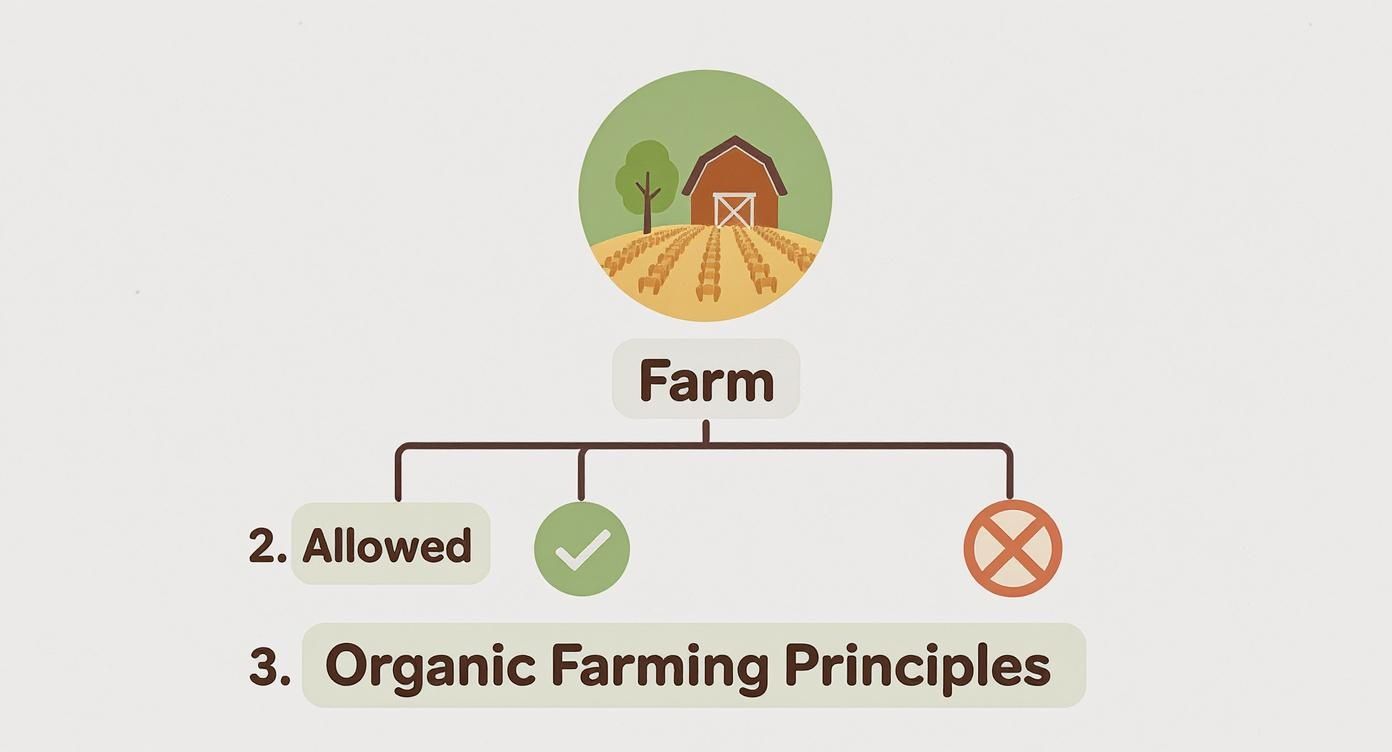
This visual is a great reminder of the strict framework behind the organic label, drawing a clear line between allowed natural inputs and prohibited synthetic ones.
Putting It All Together
So, what does this all mean when it comes down to it? It means you can trust what the label says. The term “organic” is legally protected and regulated, unlike vague marketing buzzwords like “natural.” Understanding these tiers helps you see why one product can display the USDA seal proudly while another can only mention it in the fine print.
A key takeaway here is that the USDA Organic seal is a quick, reliable shortcut. It instantly tells you a product meets the high 95% or 100% threshold, saving you from having to scrutinize every single ingredient.
This distinction is also crucial when comparing different food labels. For instance, the rules for organic are very different from those for non-GMO. If you’re curious about that difference, check out our guide on what non-GMO means.
And for those who really love digging into the nuances of food labeling, a dairy farmer and agricultural expert offers a different point of view on organic, grass-fed, and other food labels.
The next time you’re shopping, you’ll be ready to decode any label that comes your way. No more guesswork, just good choices.
The Journey to Becoming Certified Organic
Earning that little green USDA seal on a bag of your kid's favorite snack cookies isn’t as simple as just planting some seeds and hoping for the best. It’s a marathon, not a sprint. The process is one of the biggest reasons what does certified organic mean is so powerful—it represents incredible dedication.
Imagine a conventional farm wants to make the switch. The moment they decide, a three-year clock starts ticking. For 36 consecutive months, the land has to be managed using only organic methods. That means no prohibited substances—like synthetic pesticides or fertilizers—can touch the soil.
It’s a long, patient waiting game designed to cleanse the land of any lingering residues from previous farming practices. This transition period is a massive commitment. Farmers are essentially farming organically but can't yet sell their products with the organic label, which often means taking a financial hit for three full years.
Beyond the Three Year Wait
Once the land is officially transitioned, the real work of maintaining that certification begins. It's not a one-and-done deal; it's a continuous cycle of documentation and verification.
Every single thing that happens on the farm must be meticulously recorded. Think of it as a detailed diary for the entire farm, tracking every seed planted, every weed pulled, and every harvest. This paper trail is what proves the farmer is following the strict organic standards every single day.
Then comes the annual inspection.
Once a year, a third-party inspector, accredited by the USDA, visits the farm. They walk the fields, check the records, and ensure everything matches up. They might even take soil or tissue samples to test for prohibited substances.
This isn't just a friendly chat; it's a thorough audit to guarantee integrity from farm to package.
This rigorous process of testing and inspection ensures that every product carrying the seal meets the high standards you expect. It's a global effort, and by the end of 2023, there were 4.3 million organic farms worldwide going through these very steps. You can explore more about this growing movement in the 'The World of Organic Agriculture' report.
So next time you hand your child an organic snack bar, you can feel good knowing the immense journey it took to get that seal of approval.
Alright, we've covered the rules, the farms, and what all those labels mean. But let's get down to what really matters: why should you choose an organic snack bar for your family? What does that little green seal actually do for you?
For most parents, it boils down to one simple thing: peace of mind.
When you choose organic, you’re drastically cutting down your family’s exposure to synthetic pesticide residues. Little bodies and brains are still growing, so limiting their contact with these kinds of chemicals is a huge priority for many of us. That USDA seal on your kids' snack bars or cookies means the ingredients were grown without a long list of common synthetic pesticides and herbicides.
It's not about being perfect. It's about making small, meaningful choices where it counts. Swapping a conventional snack for an organic one is a super simple way to lower that chemical load day by day.
More Than Just a Snack
But the positive effects don't stop at your pantry door. Every time you choose organic, you’re also casting a vote for a healthier planet—and that's an incredible legacy to leave our kids.
Organic farming is all about working with nature, not against it. This approach comes with some amazing environmental benefits:
- Richer Soil: Practices like composting and crop rotation build healthy, living soil that holds water better and prevents erosion.
- Cleaner Waterways: By ditching synthetic fertilizers and pesticides, organic farms help keep these chemicals out of our rivers, lakes, and streams.
- Boosting Biodiversity: Organic farms create a haven for a wider variety of plants, insects, and animals, which helps build a stronger, more resilient ecosystem.
Every organic cookie you pack in a lunchbox helps support farmers who are dedicated to these earth-first practices. It’s a small choice with a really big impact.
Making the Switch Easy and Fun
So, where do you start? My best advice is to keep it simple and guilt-free. You don’t have to do a massive kitchen overhaul overnight.
Start with one thing. Maybe it’s the apples your kids devour every day, or maybe it's their favorite after-school snack bars. Just making one small swap is a fantastic first step. It makes the whole thing feel manageable and fun, not like another thing on your to-do list.
Think of it as a family taste-test adventure. Suggest trying a new organic fruit bar or a different flavor of cookies. The goal isn’t perfection—it’s just taking small, positive steps that feel right for your family. By choosing brands like Skout Organic, you’re getting snacks that are not only seriously delicious but also check all these boxes, making it an easy and joyful choice for everyone.
How to Find and Verify Authentic Organic Products
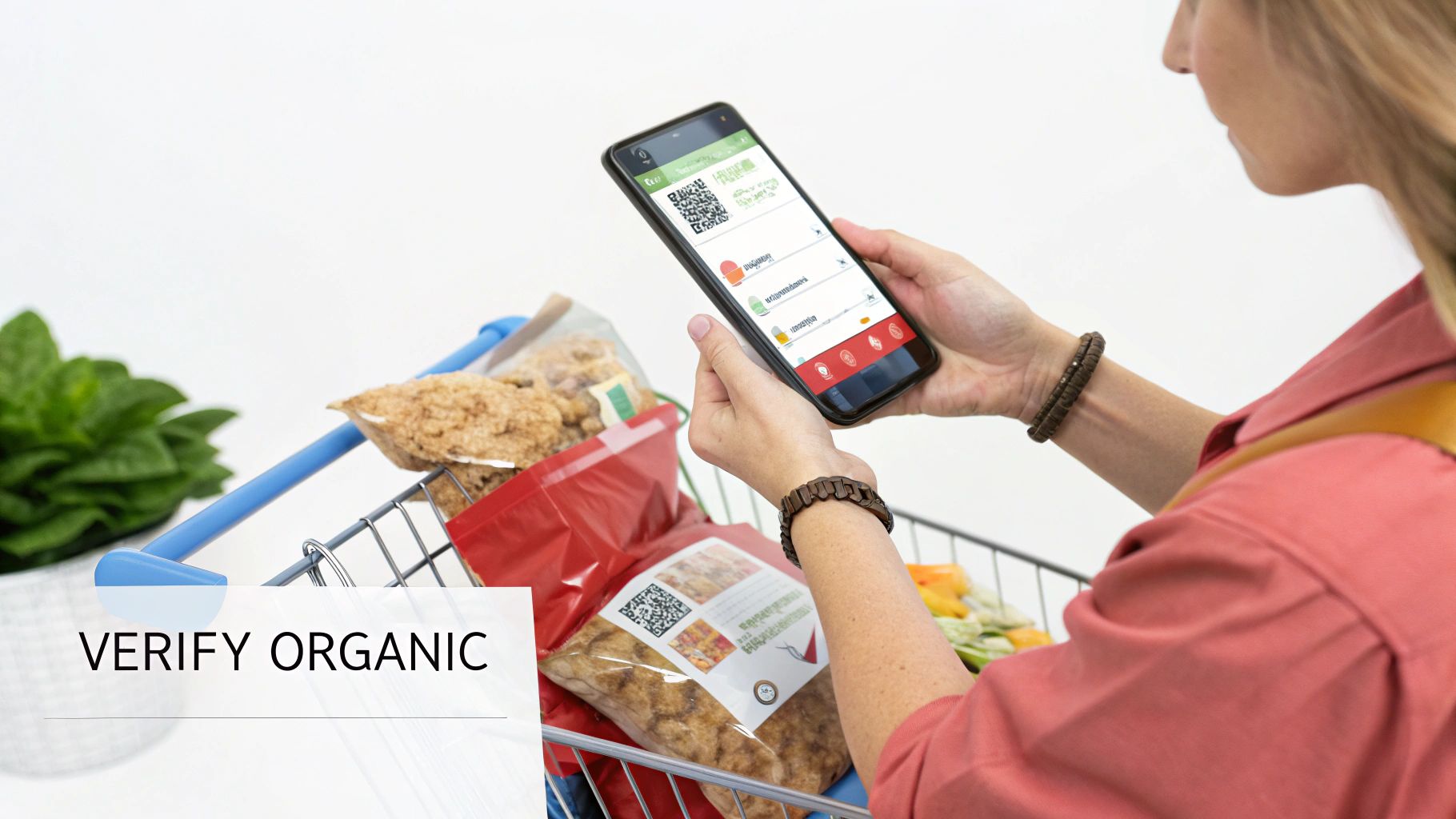
With so many labels competing for your attention, how do you make sure the organic kids' snack bars you’re buying are the real deal? Your best bet is to become a savvy shopper, and it's way easier than you think.
Your first move? Ignore all the flashy claims on the front of the package. Instead, flip it over and look for just one thing: the official USDA Organic seal.
That little green and white circle is your shortcut to confidence. It’s a federally protected symbol that instantly tells you a product meets all the strict standards we've been talking about. Brands can't just slap this on their kids' cookies; they have to earn it through a really tough certification process. Seeing that seal means you can stop guessing if a product is legit.
Avoiding the Greenwashing Trap
Some brands get pretty clever with their marketing, using words like "all-natural," "farm-fresh," or "made with organic ingredients" to give you the feeling of organic without actually being certified. This tactic is called greenwashing.
While those claims sound nice, they just aren't regulated the same way "certified organic" is. They don't offer the same guarantee. This is exactly why that USDA seal is so important—it cuts right through the marketing noise and gives you a clear, trustworthy answer. To get the full scoop on this, you can learn more about why organic certifications matter and what that seal truly represents.
Verify Before You Buy
Want to take your detective skills to the next level? The USDA has a fantastic—and free—tool for parents who want to be absolutely sure.
The USDA Organic Integrity Database is a public online resource where you can look up any company by name and check its certification status in real-time. If a brand of snack bars or cookies says they're organic, you should be able to find them right there in the database.
It’s a simple, powerful way to confirm that a company is walking the walk. This tool is your ultimate defense against misleading labels and gives you complete control over the choices you make for your family's snack time.
Let’s be real—walking down the snack aisle can feel like a pop quiz you didn't study for. When you’re trying to find the best cookies or bars for your kids, a million questions pop into your head. Let's clear the air on a few of the most common ones.
“Natural” vs. “Organic”: What’s the Real Difference?
One of the biggest mix-ups is between "natural" and "certified organic." They sound like they should mean the same thing, but honestly, they're worlds apart. "Natural" is a vague marketing term with no real rules behind it. It usually just means no artificial ingredients were added, but it tells you nothing about how the food was grown. Synthetic pesticides and GMOs could still absolutely be in the picture.
The USDA Certified Organic seal, on the other hand, is the only label that guarantees a product has met strict, government-regulated standards all the way from the farm to the package. It’s your shortcut to knowing what’s truly in your kid’s snack.
Why Do Organic Snacks Sometimes Cost More?
So, why do organic snack bars sometimes come with a slightly higher price tag? That price reflects the real, honest cost of farming sustainably. Organic farmers can’t use cheap synthetic pesticides or fertilizers to get the job done.
Instead, they invest more time and labor into practices like crop rotation, composting, and natural pest control. You’re paying for those rigorous standards and the peace of mind that comes with them.
Are They Actually Healthier?
This is the big one: are organic snacks actually healthier for our kids? The most significant and proven benefit is the massive reduction in pesticide residue. While some studies point to higher antioxidant levels in certain organic foods, the primary win for parents is simple.
You're avoiding synthetic pesticides and GMOs in your little one’s diet. It’s a straightforward choice that makes a big difference.
For snacks that make this choice easy and delicious, check out the full line of kids' snack bars and cookies from Skout Organic. Find your family's next favorite flavor at https://www.skoutorganic.com.