
 Kids Snack Bars
 Soft-Baked Cookies
 Protein Bars
 Build A Box
 Shop All





Proper sports nutrition for young athletes is all about fueling bodies that are doing two massive jobs at once: growing and performing at a high level. It’s way more than just counting calories. The real secret is timing the right nutrients—carbohydrates, proteins, and fats—to maximize energy, help muscles repair, and keep their development on track.
Why Your Young Athlete Needs Premium Fuel
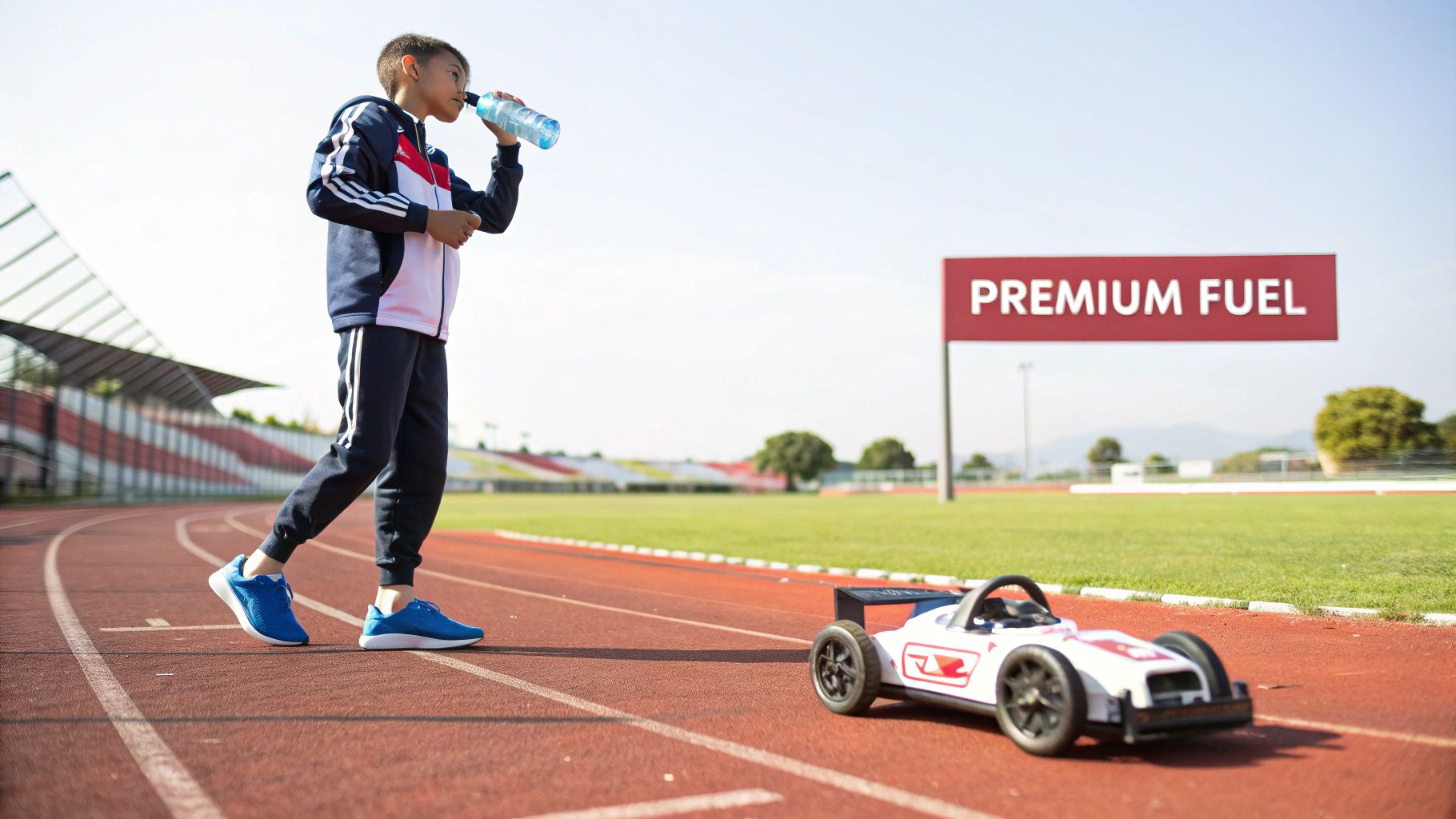
Ever feel like your young athlete has a bottomless stomach? There’s a good reason for that. Think of their body as a high-performance race car—it's constantly burning fuel on the track, heading to the pit for repairs, and getting upgraded with a new engine all at the same time.
You wouldn't put cheap, low-grade gas in that race car and expect it to win, right? The same logic applies here. Active kids need premium fuel, not just any old calories, to perform their best. This is exactly why sports nutrition is a completely different ballgame than everyday eating. Their bodies are working overtime, demanding extra energy not just for their sport, but for crucial growth spurts, too.
Let's break down the core nutritional building blocks and their roles in fueling your young athlete. The table below gives a quick overview of what each nutrient does and the best times to focus on it for performance and recovery.
Your Young Athlete's Fuel Needs at a Glance
| Nutrient | Why They Need It (The 'Job') | Best Times to Eat |
|---|---|---|
| Carbohydrates | The primary, fast-acting fuel source. Powers sprints, endurance, and quick movements on the field or court. | Before, during, and after activity. |
| Protein | The repair crew. Rebuilds and strengthens muscles after the tiny tears caused by practice and games. | Primarily after activity, but also important throughout the day. |
| Fats | The long-haul energy source. Provides sustained fuel for longer events and helps absorb key vitamins. | Throughout the day in balanced meals. |
Each macronutrient has a specific and critical job to do. Getting the right balance and timing will keep your young athlete's engine running smoothly from kickoff to the final whistle.
The Big Three Macronutrients
Let's look at that pit crew a little closer. Each member has a vital role to play.
- Carbohydrates: This is your high-octane gasoline. Carbs are the body's favorite and most efficient energy source, fueling every jump, sprint, and ounce of endurance. Without enough, your athlete will hit that dreaded wall mid-game.
- Protein: This is the expert repair crew. Every practice creates tiny tears in their muscles. Protein is what swoops in to rebuild them stronger, making sure your athlete is recovered and ready for the next challenge.
- Fats: These are the long-haul fuel and engine lubricant. Healthy fats provide sustained energy for longer tournaments or games and are absolutely essential for absorbing vitamins and protecting vital organs.
The demand for these nutrients is no joke. Did you know that young athletes between 12 and 18 often need up to 50% more calories than their less active friends to fuel their training and growth? A teenage soccer player might need anywhere from 3,000 to 5,000 calories a day—a huge jump from the standard 2,200 for inactive teens.
Snacking as a Strategic Refuel
For a young athlete, snacks aren't just treats; they are strategic refueling stops. Grabbing any old snack bar or handful of cookies might provide a quick sugar rush, but it almost always leads to a crash. No fun for anyone!
Instead, think of snacks as mini-meals designed to top off the tank. A deeper dive into football nutrition for energy shows just how much this strategic fueling impacts performance on the field.
The goal is to choose snacks with purpose. A pre-practice snack should deliver quick energy (carbs!), while a post-game snack should focus on repair (protein and carbs!).
This approach transforms snacking from a mindless habit into a powerful performance tool. By choosing snacks made with real, whole-food ingredients, like yummy kids snack bars made from fruit, you ensure your young champion gets the high-quality fuel they need. Understanding the benefits of organic eating can help you feel even more confident in the choices you're making for your family.
The Power of Protein for Muscle Repair and Growth
If carbs are the gas in your young athlete's tank, then protein is their personal repair crew. Think about it: every practice, game, or training session creates tiny, microscopic tears in their muscles. This sounds intense, but it’s actually a totally normal part of getting stronger—if the repair crew shows up to work.
That crew is protein. Its main job in sports nutrition for young athletes is patching up those muscle fibers, making them stronger and more resilient for the next challenge. Without enough protein, recovery lags, muscles stay sore longer, and the risk of injury creeps up because the body just can't keep up with the repairs.
But protein is a true multi-tasker. It’s not just about building bigger muscles; it's about essential maintenance. For growing athletes, protein is also a key player in developing strong bones, keeping their immune system humming, and even producing hormones that regulate everything from energy to mood.
How Much Protein Do They Really Need?
So, how much building material does this repair crew actually need? You might be surprised. A kid who spends most of their time on the couch has modest needs, but an active athlete requires a whole lot more to keep up with that constant cycle of breakdown and repair.
In fact, the protein needs for young athletes can jump to 1.2-2.0 grams per kilogram of body weight each day. That’s a huge leap from the standard 0.8 g/kg recommended for less active kids. To put that into perspective, a 110-pound (50kg) teenage wrestler could need anywhere from 60 to 100 grams of protein daily just to recover from a tough tournament. A 2023 review even found that a shocking 40% of adolescent athletes aren't getting enough protein, which can lead to longer recovery times and more injuries. You can find more market insights about the rise of sports nutrition on coherentmarketinsights.com.
The Big Takeaway: More activity means more muscle breakdown, which demands more protein for repair. The goal isn't to overdo it but to consistently provide enough high-quality protein to support their recovery and growth.
Smart Protein Snacking for Young Athletes
Meeting these higher protein goals can feel like a tall order, but it’s way easier when you make smart snacking a habit. This is where you can get a little creative! The window right after a practice or game is the perfect time for a protein-packed snack to kickstart that recovery process.
Instead of reaching for sugary drinks or empty-calorie chips, think about snacks that deliver a real nutritional punch. How about trying one of these?
- Greek Yogurt Parfait: A classic for a reason. Layer Greek yogurt with berries and a sprinkle of granola for a delicious mix of protein and carbs.
- Hard-Boiled Eggs: So simple, so portable, and packed with high-quality protein.
- Trail Mix: Make your own with nuts, seeds, and a few dried fruits for a custom blend.
- Turkey or Ham Roll-Ups: Just wrap a few slices of lean deli meat around a cheese stick. Quick, easy, and a total win.
Kid-Friendly Bars and Cookies That Pack a Punch
Let's be real—sometimes you just need a convenient, grab-and-go option that your kid will actually get excited about. The problem is, a lot of kids' snack bars and cookies are basically candy bars in disguise. Choosing the right one makes all the difference.
Look for options made with simple, whole-food ingredients you can actually recognize. Skout Organic makes delicious soft-baked cookies and protein bars that use plant-based protein sources, making them a fantastic option for all kids—even those with dietary preferences or sensitive stomachs. Plant-based proteins are not only great for muscle repair but also gentle on the gut. If you're curious, you can learn more about the benefits of plant-based protein powder in our detailed guide.
By having these tasty, no-fuss options on hand, you can make sure your young athlete’s "repair crew" is always clocked in and ready for action, helping them bounce back faster and stronger.
Carbohydrates as Your Athlete's Main Energy Source
If protein is the repair crew, then carbohydrates are without a doubt the MVP of your young athlete’s diet. Think of carbs as the high-octane fuel that powers every sprint, jump, and last-minute burst of energy. Without them, your athlete’s performance engine will sputter and stall long before the final whistle.
Carbohydrates are the body's preferred and most efficient energy source. When your child eats carbs, their body breaks them down into glucose (sugar) for immediate energy. Any extra glucose gets cleverly stored in the muscles and liver as glycogen—picture these as fully charged battery packs, ready to be deployed during intense activity.
The whole game in sports nutrition for young athletes is keeping those glycogen stores topped up. When they run low, your athlete hits "the wall" or "bonks"—that sudden, draining feeling of fatigue where their legs feel like lead and their energy completely vanishes.
Rocket Fuel vs. Long-Haul Fuel
Not all carbs are created equal, and it helps to think of them in two categories, each with a very specific job.
- Simple Carbs (Rocket Fuel): Found in fruits, milk, and yes, some sugary snacks. They digest quickly, giving a fast burst of energy. They're great for a quick pick-me-up right before or during a long event but can lead to a crash if they're the only thing in the tank.
- Complex Carbs (Long-Haul Fuel): These come from whole grains like oats, brown rice, quinoa, and starchy veggies like sweet potatoes. They take longer to digest, providing a slow, steady release of energy that can sustain your athlete through an entire practice or game.
A smart fueling strategy uses a mix of both. You rely on complex carbs to build a solid energy foundation and then use simple carbs for that immediate, tactical boost when it’s needed most.
Smart Snacking for Sustained Energy
This is where planning your kid's snacks becomes a real game-changer. So many kids' snack bars and cookies are loaded with refined sugars (simple carbs) that cause a quick energy spike followed by an even quicker crash. That’s the last thing you want for an athlete who needs to stay focused and energized.
Instead, look for snacks built on a foundation of complex carbs. For example, Skout Organic Kids Snack Bars are made with whole-food ingredients like organic dates and gluten-free oats. These ingredients deliver that long-haul energy, keeping your child's fuel tank steady without the dreaded sugar crash. They provide the perfect pre-game boost that lasts.
The image below shows just how important this fuel is, not just for performance but for recovery.
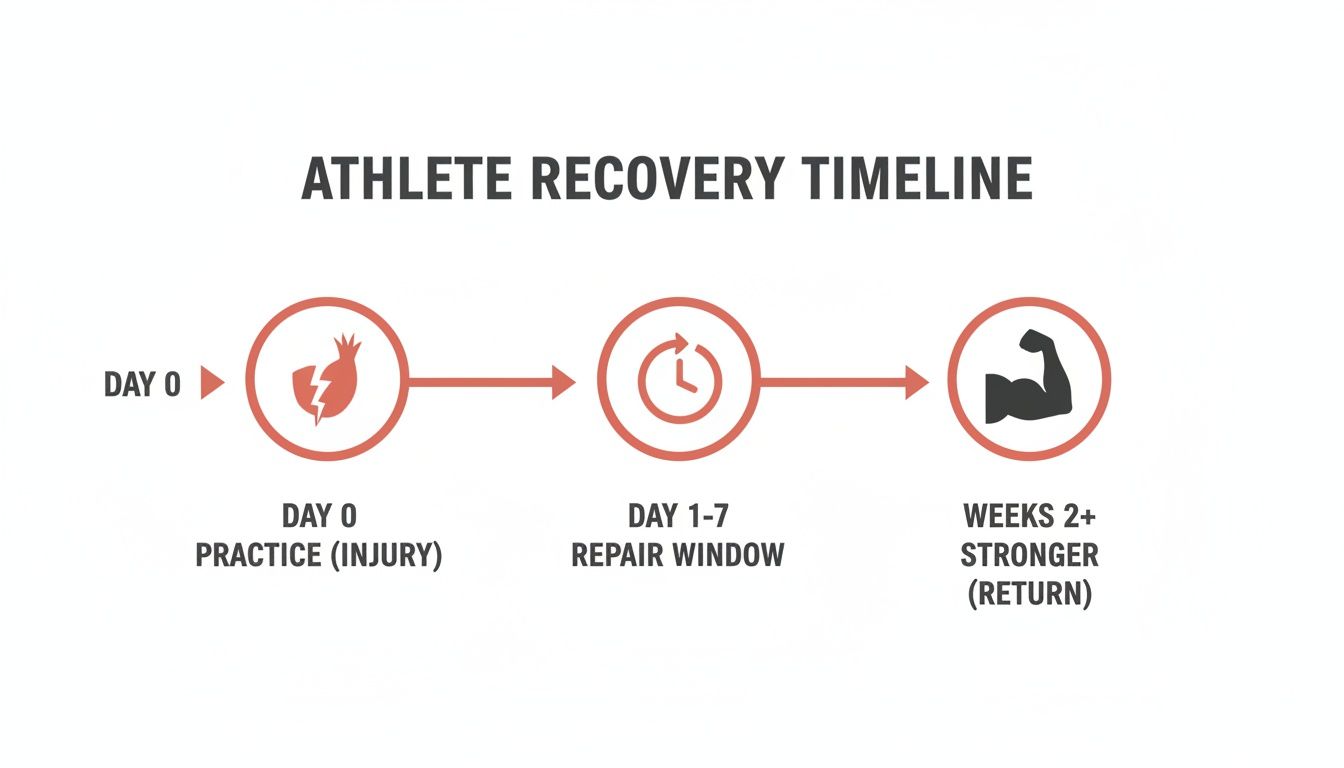
This visual drives home that recovery isn't instant. It’s a process where proper fueling after practice kicks off the repair that helps your athlete get stronger over time.
Perfecting Your Pre-Game Carb Timing
Timing your carbohydrate intake is just as important as the type of carb you choose. Getting it right can dramatically improve performance and prevent that mid-game fatigue.
In fact, timing is such a huge factor that research shows consuming 1-1.2g of carbs per kg of body weight about four hours before exercise can boost glycogen levels by a whopping 40%. That simple step can significantly reduce how hard the activity feels. And it's critical—one major consensus on youth nutrition revealed that 60% of competitors under 18 experience "bonking" because of carb deficits.
To make it easy, here's a simple timeline to help you plan meals and snacks around practices and games.
Your Gameday Fueling Timeline
| Timing | What to Eat | Why It Works | Skout Organic Idea |
|---|---|---|---|
| 2-4 Hours Before | A balanced meal with complex carbs and some protein. Think whole-wheat pasta with chicken, a turkey sandwich, or oatmeal with fruit. | Builds up glycogen stores, providing a solid foundation of long-lasting energy that will carry them through the game. | |
| 30-60 Mins Before | A small, easily digestible snack that's mostly carbs. A banana, a handful of pretzels, or a simple energy bar works great. | "Tops off" the energy tank right before activity without sitting heavily in the stomach or causing digestive issues. | A Skout Organic Kids Snack Bar is perfect here—it's made with simple, whole-food ingredients that are easy on the stomach. |
| During Activity | For events lasting over 60-90 minutes, simple carbs are key. Think fruit snacks, sports drinks, or a few bites of an energy bar. | Provides a quick shot of glucose to working muscles, helping maintain energy and delay fatigue during long games or tournaments. | The fruit-based Skout Bars offer a quick, natural sugar boost that’s easy to eat on the sidelines. |
| Within 30 Mins After | A snack with a 3:1 or 4:1 ratio of carbs to protein. Chocolate milk is a classic example. | The carbs replenish depleted glycogen stores, while the protein starts the muscle repair process immediately. | A Skout Organic Protein Bar (for older athletes) paired with a piece of fruit. |
This structured approach ensures your athlete steps onto the field with a full tank, ready to perform at their best. For even more ideas on pre-activity fueling, check out our guide on what to eat before running.
Winning the Snack Game with Healthier Choices
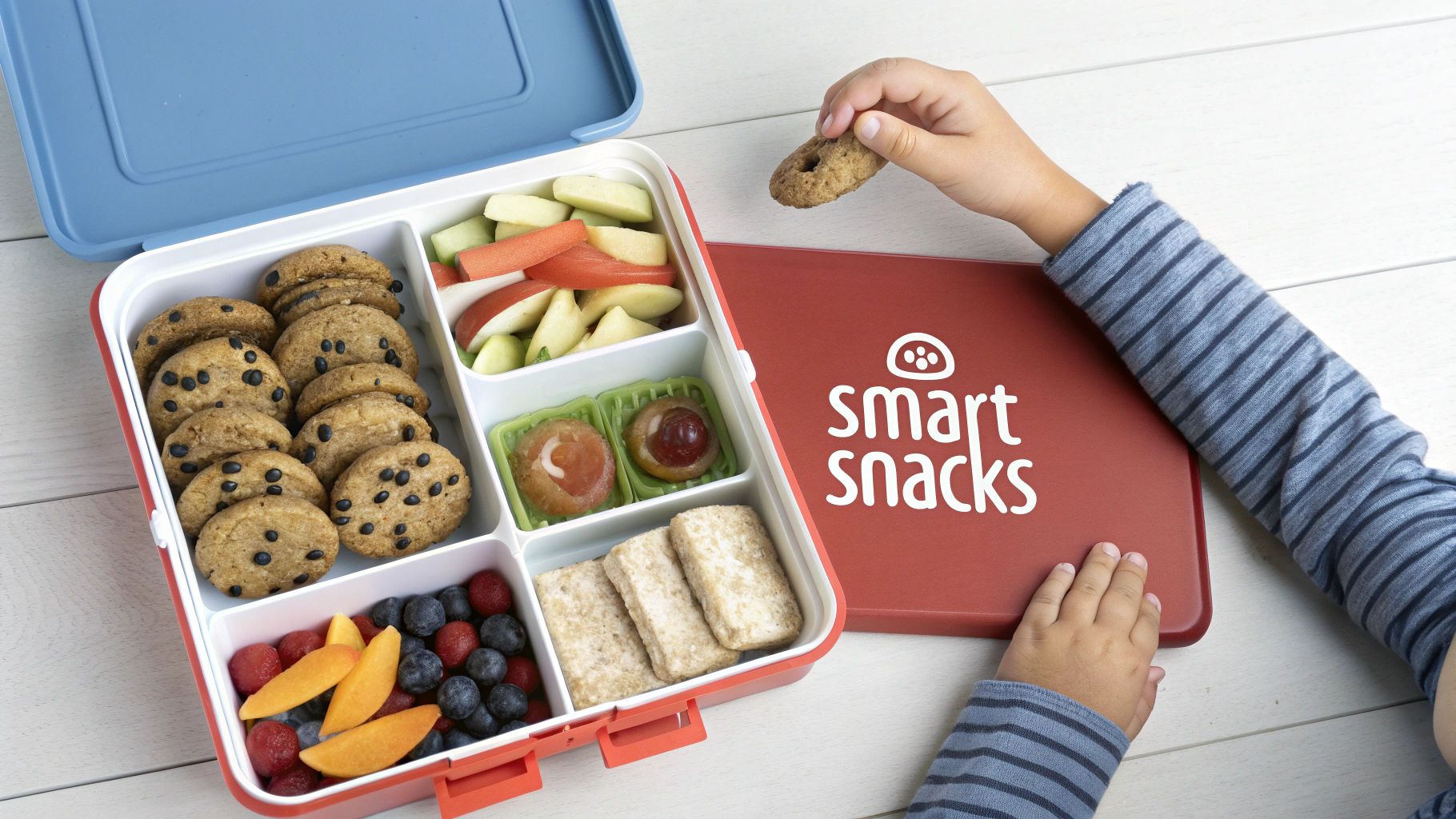
For young athletes, snack time isn't just a treat—it's a critical refueling mission. Moving beyond empty calories to master the art of smart snacking is a total game-changer for their energy and recovery. It’s all about making sure every single bite provides real value to their hardworking bodies.
But let's be real: finding snacks that are both truly healthy and kid-approved can feel like an Olympic sport in itself. The snack aisle is a minefield of brightly colored packages hiding ridiculously long ingredient lists and sneaky sugars. This is where you can make a huge impact on your child's sports nutrition for young athletes just by becoming a savvy label-reader.
Decoding the Ingredient Label
The secret to winning the snack game is simplicity. Seriously. A quick glance at the back of two different snack bars tells you everything you need to know.
One bar might list twenty ingredients, with things like high-fructose corn syrup, artificial colors, and words you can't even pronounce. The other, like a Skout Organic Kids Snack Bar, might list just a handful of simple, recognizable ingredients like organic dates, sunflower seeds, and blueberries.
The rule of thumb is powerful: if the ingredient list reads like a recipe you could make in your own kitchen, you're on the right track. Clean, simple ingredients provide sustained energy without the crash.
Choosing snacks with whole-food ingredients ensures your child is getting actual fuel, not just filler. To help your young athlete make smart fueling decisions throughout the day, exploring healthy snack options is essential for sustained energy and recovery.
The Problem with Most Kids Snack Bars and Cookies
So many popular kids' snacks, especially cookies and granola bars, are marketed as healthy but are often closer to candy. They deliver a quick sugar burst that leads, without fail, to a dramatic energy crash. For an athlete, that crash can hit right in the middle of a game or practice, completely tanking their performance and focus.
High-fructose corn syrup is a common culprit. It's a cheap sweetener with zero nutritional benefits that contributes to that dreaded energy roller coaster. Instead, look for snacks sweetened naturally with whole foods, like the dates used in Skout Organic products. This provides energy alongside fiber and other nutrients for a much steadier, more reliable release.
Let's just compare what you're really getting.
| Feature | Typical Processed Snack Bar | Skout Organic Kids Snack Bar |
|---|---|---|
| Sweetener | Often high-fructose corn syrup or refined sugars. | Naturally sweetened with organic dates. |
| Ingredients | Long list with artificial flavors, colors, and preservatives. | Short list of simple, recognizable organic ingredients. |
| Energy Release | Quick spike followed by a crash. | Slow, sustained energy release from complex carbs. |
| Nutritional Value | Often high in empty calories with little fiber or nutrients. | Packed with fiber, vitamins, and minerals from real food. |
This simple comparison shows that what's inside the wrapper matters—a lot. By choosing snacks with purpose, you're not just satisfying hunger; you're actively contributing to their athletic success.
Fun and Practical Snacking Solutions
Getting kids excited about healthy snacks is all about making it fun and giving them some ownership. It’s time to ditch the boring routine and try some new strategies that kids will actually love.
Here are a few ideas to get you started:
- Build a 'Go-Bag' Snack Box: Grab a small tackle box or a bento box and let your child create their own custom snack kit for the week. Fill the compartments with things like nuts (if age-appropriate), seeds, dried fruit, whole-grain crackers, and their favorite flavors of Skout Organic Kids Snack Bars and soft-baked Cookies.
- DIY Trail Mix Station: Set out bowls of healthy ingredients like pumpkin seeds, sunflower seeds, raisins, and whole-grain cereal. Let them create their own personal trail mix blend to pack for practices and games. It’s an interactive way to teach them about balanced snacking.
- Smoothie Power-Ups: Smoothies are a fantastic way to pack in nutrients. Blend fruit with Greek yogurt or a plant-based milk and add a scoop of seeds for extra power. Pour them into reusable pouches for an easy, on-the-go snack.
By making snacking an engaging activity, you empower your young athlete to make smarter choices. When they have delicious, parent-approved options like Skout Organic snacks that they genuinely enjoy, winning the snack game becomes a whole lot easier for everyone.
The Unsung Heroes of Performance: Hydration and Vitamins
Carbs and protein get all the attention, but hydration and micronutrients are the essential backstage crew making the whole show happen. Think of them as the roadies and sound engineers of your child's performance—without them, the main stars simply can't shine. This is a huge piece of the puzzle when it comes to sports nutrition for young athletes.
Dehydration is one of the fastest ways to sideline an athlete. Even a tiny dip in hydration can lead to fatigue, clumsy coordination, and a serious drop in stamina. Meanwhile, micronutrients like iron and calcium are the tiny but mighty workers handling everything from carrying oxygen to building strong bones that can take the heat of the game.
Hydration: The Ultimate Performance Enhancer
Water is, without a doubt, the single most important nutrient for any athlete. It keeps their body temperature in check, lubricates joints, and moves nutrients around to give them energy. When they sweat, they’re not just losing water; they’re also losing electrolytes—key minerals like sodium and potassium that help their muscles fire correctly.
Here’s the catch: thirst is a terrible indicator of hydration. By the time a young athlete actually says they feel thirsty, they're often already on their way to being dehydrated. This is why having a proactive game plan for hydration is non-negotiable.
The rule is simple: Don't wait for thirst. Get your young athlete into the habit of sipping water all day long, not just during practice or on game day.
So, How Much Water Is Enough?
Fluid needs are going to be a little different for every kid, depending on their age, size, activity level, and even the weather. But a few simple guidelines can help make sure they stay properly hydrated before, during, and after they play.
Here's a simple hydration timeline to keep in your back pocket:
- 2-4 Hours Before Go-Time: Aim for 8-16 ounces of water. This gives their body plenty of time to absorb what it needs and get rid of any extra.
- During Warm-Ups: Another 8 ounces helps top off the tank right before the real action starts.
- During the Game: Encourage them to take a few big gulps (4-8 ounces) every 15-20 minutes. This helps replace what they're losing through sweat in real-time.
- After the Game: The job isn't done! They should keep rehydrating over the next few hours to fully replace what they’ve lost.
For most activities that last less than an hour, plain old water is perfect. If your athlete is going hard for more than 60-90 minutes, especially in the heat, a sports drink can be a good idea to help replace both fluids and lost electrolytes.
Micronutrients: The Tiny Titans of Health
While they’re only needed in small amounts, micronutrients play an absolutely massive role in an athlete's health and performance. For growing kids, two of the most important players are calcium and iron.
- Calcium: Think of calcium as the main construction material for your child’s skeleton. During these critical growing years, their body is building bone density like crazy. Getting enough calcium ensures their bones are strong enough to handle all the running, jumping, and impact that comes with sports.
- Iron: This mineral is basically the oxygen delivery service for the body. Iron is a key part of red blood cells, which are responsible for carrying oxygen to working muscles. Without enough iron, muscles get tired fast, leading to fatigue and a slump in performance.
Getting these crucial nutrients doesn't mean you have to turn to complicated supplements. The best strategy is a varied, whole-food diet that covers all the bases. Including a mix of colorful fruits and vegetables is a great way to ensure they’re getting a wide range of vitamins and minerals. For example, Skout Organic Kids Snack Bars often include fruits like blueberries and strawberries, giving them a boost of vitamins and antioxidants in a snack they'll actually love to eat.
Putting It All Together with Sample Meal Plans
Knowing the what and why of sports nutrition is one thing. Actually making it happen during a chaotic week is another beast entirely. How do you fuel your young athlete on a hectic school night or a jam-packed tournament weekend?
Listen, the goal isn't about creating Instagram-perfect meals every single day. It's about having a simple, flexible game plan.
Think of these templates as inspiring examples, not strict rules. They’re here to show you how balanced meals and smart snacking can easily fit into your real life. You’ll see how grabbing convenient, whole-food options can save the day when you're short on time but can't afford to be short on fuel.
A Typical Practice Day Fueling Plan
On a regular school and practice day, the mission is sustained energy. We need to get them through classes and still leave enough in the tank for drills. It’s a marathon, not a sprint.
-
Breakfast (7 AM): Oatmeal made with milk, topped with a handful of berries and a sprinkle of nuts. This combination of complex carbs gives them that slow-burning fuel to power through morning classes.
-
Lunch (12 PM): A turkey and cheese sandwich on whole-wheat bread, a side of baby carrots, an apple, and a yogurt cup. This is a classic balanced meal that keeps topping off their energy stores for the afternoon ahead.
-
Pre-Practice Snack (3:30 PM): This is where convenience is king. A Skout Organic Kids Snack Bar is absolutely perfect here. It's easy to digest and delivers a quick carb boost from real fruit, making sure they hit the field or court ready to go.
-
Dinner (6:30 PM): Grilled chicken or tofu with a side of quinoa and a big serving of steamed broccoli. This meal is all about recovery—lean protein to repair tired muscles and quality carbs to replenish everything they burned.
This kind of schedule emphasizes a steady flow of fuel all day long, which helps prevent those dreaded energy crashes and sets them up for a strong practice.
A Big Competition Day Fueling Plan
Game day nutrition is a bit more strategic. The focus shifts to easily digestible foods that provide maximum energy without upsetting their stomach. Timing suddenly becomes way more important.
The number one rule for competition day is to stick with familiar foods. Never, ever try something new right before a big game—it’s a recipe for digestive disaster.
Let's map out a winning game plan:
-
Big Pre-Game Meal (3-4 hours before): This is where they load up on their main fuel. Think whole-wheat pasta with a simple tomato sauce and a little lean ground turkey. You want it high in carbs but low in fat and fiber, which can slow digestion.
-
Top-Off Snack (1 hour before): A banana or a handful of pretzels is ideal. This is just a small, simple carb snack to give them that final burst of accessible energy right before they start.
-
Halftime/Between-Events Fuel: For long tournaments or meets, small, quick bites are key. Things like orange slices, a few fruit snacks, or half of a Skout Organic Kids Snack Bar can provide a fast glucose hit to keep fatigue at bay.
-
Immediate Post-Game Recovery (Within 30-60 mins): This is the crucial repair window. A Skout Organic Protein Bar (for older athletes) or a Skout Organic Cookie is a fantastic, no-fuss option for the car ride home. Pair it with a piece of fruit to nail that ideal carb-to-protein ratio for recovery.
Let’s Tackle Your Top Questions
Navigating the world of sports nutrition for your young athlete can feel like you’re trying to decipher a secret code. You're not alone. Let's clear the air and tackle some of the most common questions parents have.
Are Protein Powders Safe for My Child?
For most young athletes, the simple answer is to focus on food first. A well-rounded diet packed with whole foods like lean meats, dairy, beans, and nuts gives them all the protein they need for muscle repair and growth. Supplements are usually unnecessary and are best avoided unless your doctor specifically recommends them.
Instead, you can lean on convenient, food-based options to get that post-practice protein punch. Our Skout Organic Protein Bars are a perfect example—they use simple, whole-food ingredients to deliver what their growing bodies need, without any of the weird stuff.
What Can I Do About My Picky Eater?
Picky eating is a super common hurdle, so take a deep breath—you’re in good company! The key is to stay patient and get a little creative. Try involving them in meal prep, offering a few healthy choices without pressure, and modeling good eating habits yourself.
Finding healthy snacks they genuinely love is an absolute game-changer. Let them have a say in the pantry by picking out their favorite Skout Organic Kids Snack Bars or Cookies. Sometimes, a fun, tasty, and parent-approved snack is all it takes to win them over and get more good stuff into their diet.
When Should They Eat After a Game or Practice?
This one is all about timing. Aim to refuel them within 30 to 60 minutes after they’ve finished their activity. Think of this as the "golden window" when their muscles are primed to soak up nutrients for recovery and repair.
You don’t need a full meal here. A simple snack with both carbs and protein is ideal. A piece of fruit paired with a tasty snack bar is a perfect, easy option for the ride home.
Ready to win the snack game? Stock up on delicious, kid-approved fuel with Skout Organic. Explore our snack bars and cookies to find your young athlete's new favorite.