 Kids Snack Bars
 Soft-Baked Cookies
 Protein Bars
 Build A Box
 Shop All




It’s a scene every parent knows: you place a lovingly prepared, healthy meal on the table, only to be met with a turned-up nose and a firm "no." That nightly dinner table standoff is exhausting, but you're definitely not alone.
This guide is your game plan for leaving those mealtime battles behind for good.
We're ditching the old-school "clean your plate" mentality. Instead, we’ll dive into real, actionable strategies that spark genuine curiosity and even excitement around healthy food. The goal here isn't just to get through dinner; it's to help your kids build a positive, happy relationship with food that will stick with them for life.
Why Healthy Habits Matter, Especially Now
Building nutritious eating habits early on is about so much more than just getting past a picky phase. It’s the foundation for their long-term wellness. Globally, helping children eat well is a huge part of combating malnutrition in all its forms.
Staggering estimates show that while 149.2 million children under five are stunted, another 38.9 million are overweight, often because of diets heavy in processed foods. It’s a complex issue, and you can explore more about these global nutrition trends to understand the bigger picture.
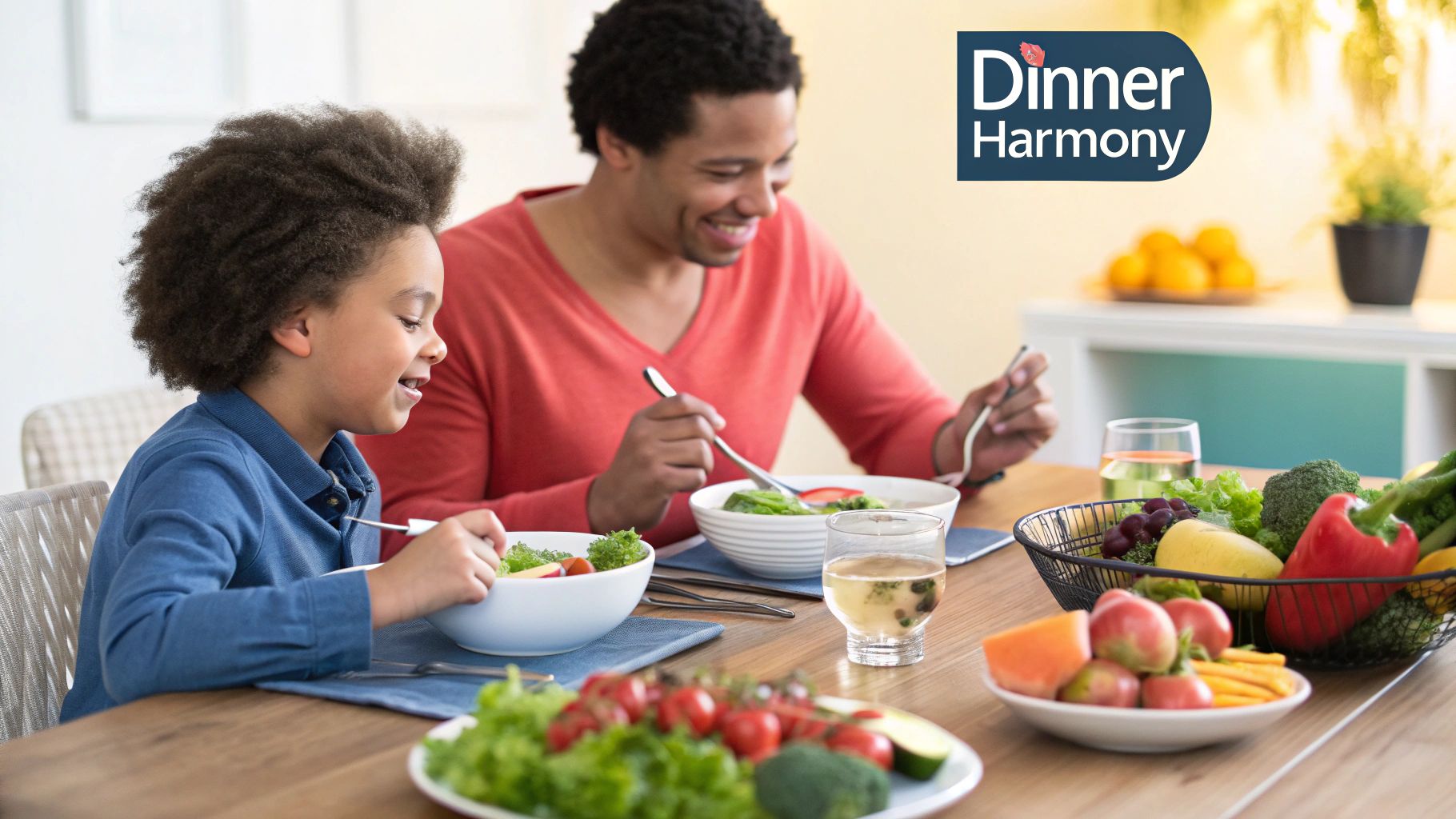
Time for a Fresh Approach to Food
If we want to change how our kids eat, we have to start with how we present food to them. It's all about creating a positive, low-pressure vibe where trying new things is celebrated, not demanded. Ready to make mealtime magic?
Here are a few of the core ideas we'll get into:
- Make It an Adventure: We’ll turn healthy food into a game with fun shapes, silly names, and colorful plates. Think "dinosaur broccoli" instead of just... broccoli.
- Get Them Involved: I've seen it time and time again: kids who help prep and cook are way more invested in actually eating what they’ve made.
- Master Smart Snacking: Snacking is basically a kid's superpower. Let's make it work for us! Having satisfying, wholesome options on hand is key. The right kids snack bars and cookies can be a parent's secret weapon against the dreaded "hangry" monster.
- Lead by Example: This one is huge. Your attitude toward food is probably the most powerful influence you have.
By shifting our focus from control to collaboration, we can empower our kids to become the confident, adventurous eaters we know they can be.
Making Healthy Food an Adventure
If mealtime in your house feels more like a high-stakes negotiation than a family gathering, you’re not alone. The constant struggle can create negative feelings around food for everyone involved. But what if we could flip the script? What if healthy eating became less of a chore and more of a collaborative, exciting discovery?
The key is to tap into your child's natural curiosity and sense of play.
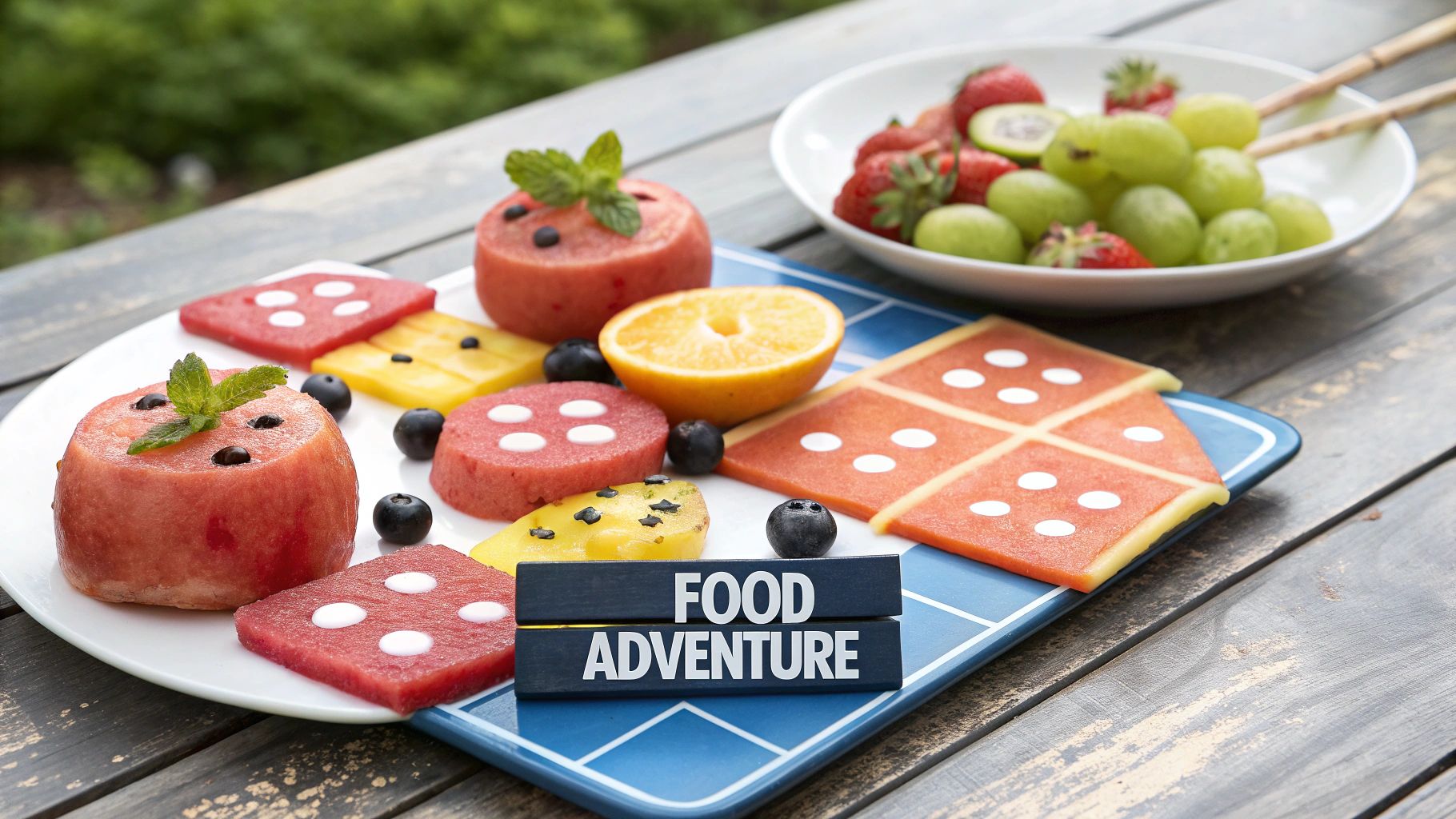
This isn’t about tricking them into eating something they don’t want. It’s about changing the entire presentation and framing healthy food in a way that feels imaginative and fun. A simple shift in perspective can honestly make a world of difference.
Transform the Plate with Creativity
Think of yourself as a marketer for healthy food. Simple changes can capture a kid’s attention and make them way more willing to take that first curious bite. A little creativity goes a long, long way.
Here are a few simple ideas to get you started:
- Use Fun Shapes: Grab some cookie cutters and transform slices of apple, melon, or cucumber into stars, hearts, and dinosaurs. A star-shaped piece of fruit is infinitely more interesting than a plain old slice.
- Give Veggies a Rebrand: Broccoli florets become “superhero trees,” carrot sticks are suddenly “x-ray vision wands,” and a line of peas are “caterpillar eggs.” Giving foods silly, adventurous names makes them less intimidating and a lot more playful.
- Build with Your Food: Create a smiley face on their plate using berries for eyes, a banana slice for a mouth, and orange segments for hair. This hands-on approach encourages interaction before they even think about eating.
One of the most effective ways to encourage adventurous eating is to remove the pressure. By focusing on fun and exploration, you allow your child to approach new foods on their own terms, fostering a positive long-term relationship with what's on their plate.
Start a Colorful Challenge
Introducing a game like the "eat the rainbow" challenge can turn grocery shopping and mealtimes into an activity they actually look forward to. The goal is simple: try to eat foods of every color of the rainbow throughout the week.
This approach totally gamifies the process of trying new fruits and vegetables. You can create a chart with checkboxes for red, orange, yellow, green, blue, and purple. When they try a red bell pepper or some purple cabbage, they get to mark it off. It gives them a real sense of accomplishment and control.
For parents looking for even more creative ways to get produce into meals, there are some great hacks to sneak veggies into your kid's meals that can complement these fun activities.
Inviting Your Kids Into the Kitchen
One of the most powerful tricks I’ve learned for getting my kids to eat healthy has nothing to do with what happens at the dinner table. It actually starts way earlier, right in the kitchen.
When kids have a hand in preparing a meal, they get this amazing sense of ownership and pride. Suddenly, they're way more willing to try the final product. Getting them involved isn't just about outsourcing your sous chef duties; it’s about turning strange, intimidating vegetables into familiar friends they’ve washed, stirred, and arranged themselves. This hands-on approach teaches them valuable life skills and builds a positive foundation around food.
Age-Appropriate Kitchen Tasks
The best part? This strategy works for kids of all ages. You don’t need to wait until they can safely handle a knife to get them started. Even the smallest helpers can play a meaningful role.
- Toddlers (Ages 2-3): Their fine motor skills are still developing, but man, are they eager to help. Perfect tasks include washing veggies in the sink (with a sturdy stool and supervision, of course), tearing up lettuce for a salad, or stirring cold ingredients in a big bowl.
- Preschoolers (Ages 4-5): At this age, they can handle a bit more responsibility. Let them help by mashing potatoes with a masher, cracking eggs into a separate bowl (so you can easily fish out any shell pieces!), or using a kid-safe knife to cut soft foods like bananas.
- School-Age Kids (Ages 6+): Older kids are ready for more complex jobs. They can start measuring ingredients, reading simple recipe steps aloud, grating cheese, or even chopping vegetables with close supervision.
The key is to keep it fun and low-pressure. Spills and messes are just part of the process, so try to embrace the chaos and focus on the experience you're sharing. This involvement has a direct impact on their willingness to try new things, which is a huge step in improving children's eating habits. Evidence from the last two decades confirms this is a growing challenge, with the global prevalence of overweight children under five rising to 5.7% in 2022. You can read more about these global dietary trends from a recent analysis covering 194 countries.
This chart breaks down how specific kitchen tasks can boost a child's willingness to try the food they helped make.
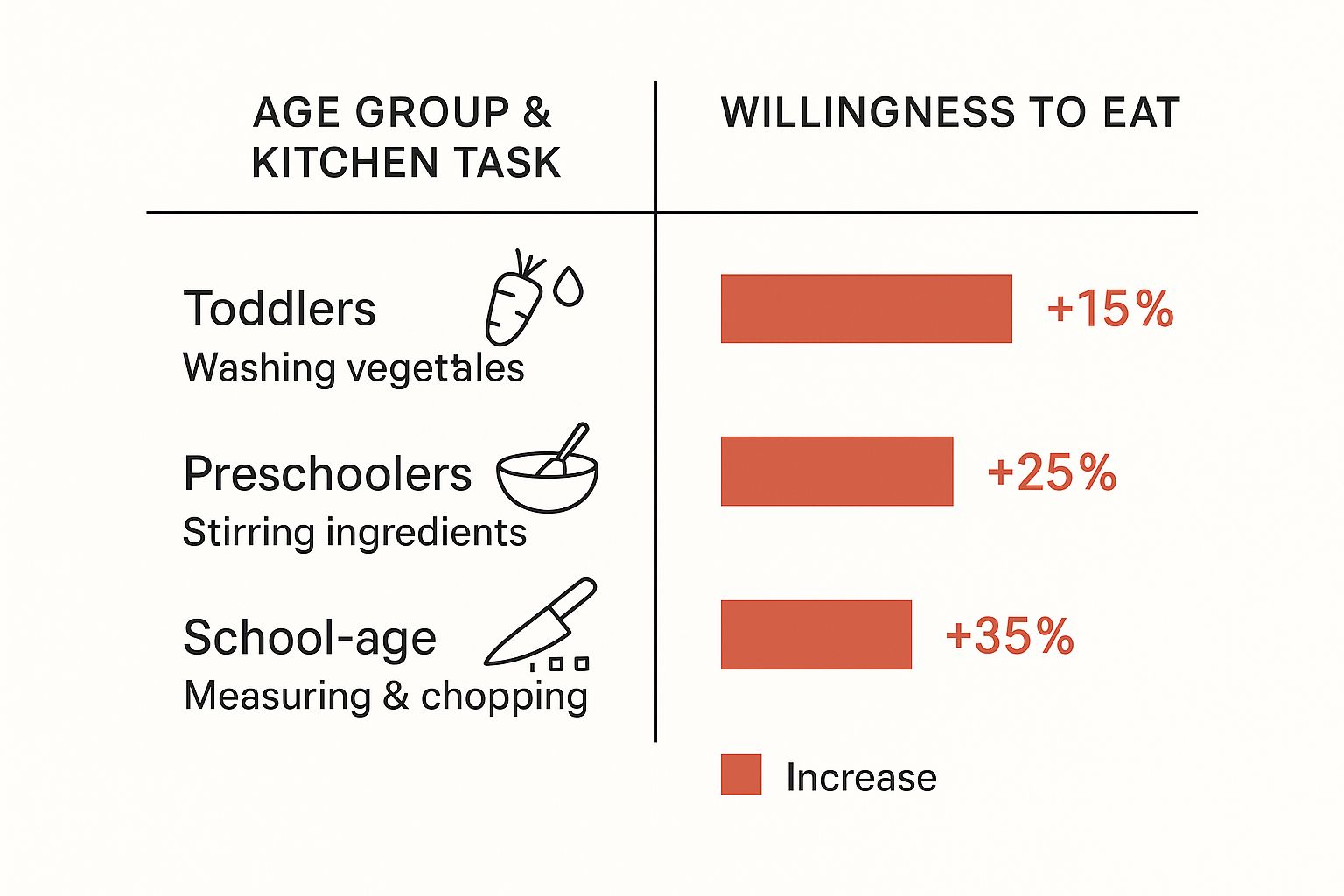
As you can see, the more involved and responsible a child is in the cooking process, the bigger their enthusiasm for eating the meal.
Turn Grocery Shopping Into a Scavenger Hunt
Your mission can start even before you get to the kitchen. Why not turn your weekly grocery store trip into a fun adventure? Challenge your kids to find a fruit or vegetable for every color of the rainbow, or let them pick out one new, interesting-looking piece of produce to try that week.
By giving them a choice in the grocery store, you empower them. When that "weird" purple cauliflower they picked out shows up on their plate, it’s not a scary new food—it’s their discovery.
This sense of control is huge. Instead of just being passive recipients of whatever you put in front of them, they become active participants in the family's food journey. It’s a simple shift that can change their entire mindset around trying something new.
Winning at Snack Time
Snack time can feel like a high-wire act. Get it right, and you save the day by calming a cranky, hungry kid. Get it wrong, and you can completely derail your healthy eating goals with a flood of sugar and empty calories.
In a world overflowing with ultra-processed everything, the key is making the healthy choice the easy (and fun) choice.
This isn’t about banning snacks—it’s about mastering them. Instead of letting kids graze all day, which kills their appetite for actual meals, try setting up predictable snack times. This simple routine helps them tune into their own hunger cues and transforms snacks from mindless munching into mini-meals that keep their energy stable.
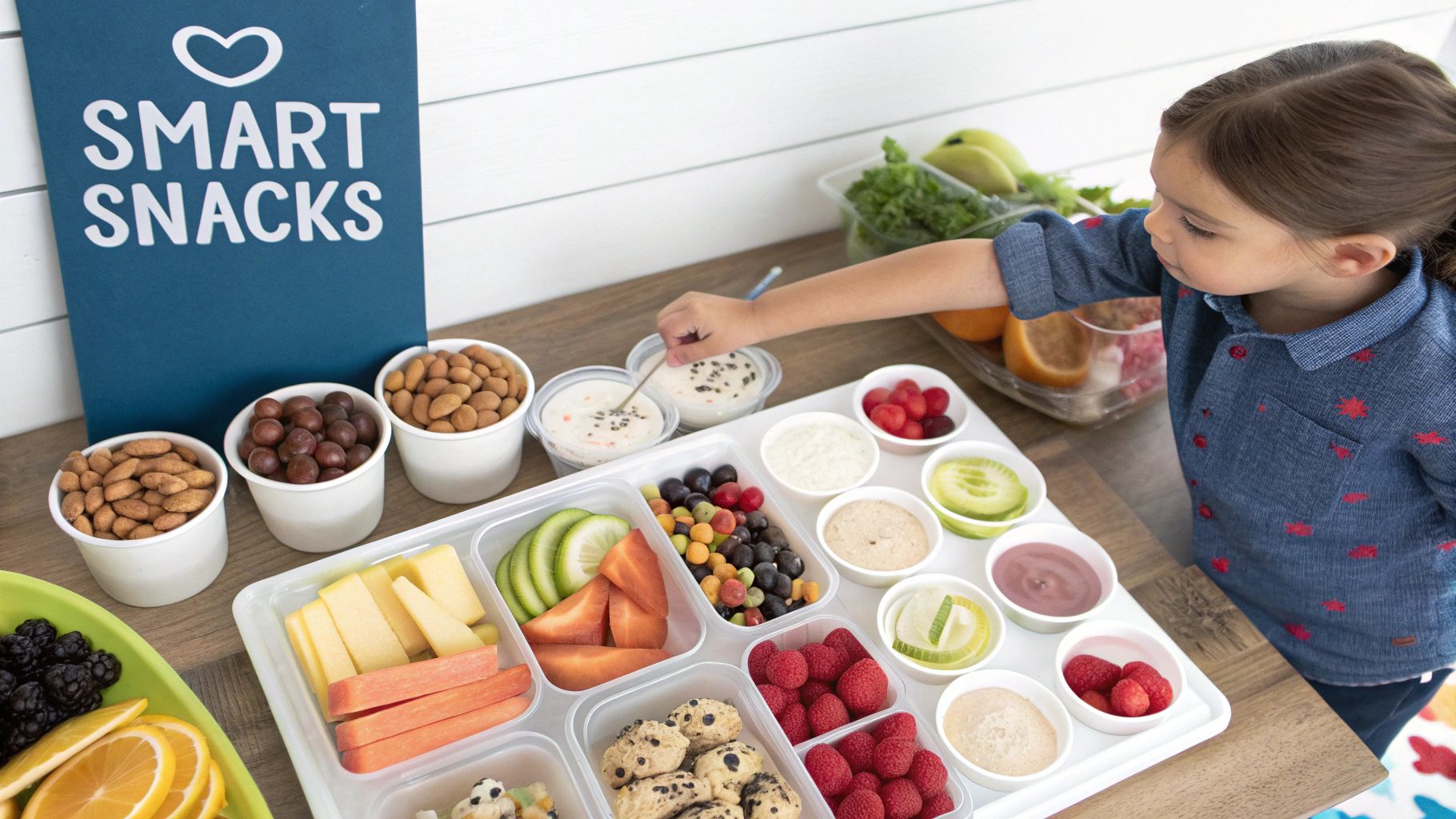
Build a Smart Snack Station
One of the best tricks I've learned is to put the good stuff right at your child’s fingertips. Designate a low drawer in the pantry or a specific bin in the fridge as the official "go-to" snack zone, and stock it with options you've already approved.
This simple setup empowers them to make their own decisions within a healthy framework you created. When hunger strikes, they know exactly where to look for something that’s both tasty and good for them. You’d be surprised how much of a difference giving them a little control makes.
Here’s what our snack station usually includes:
- Whole fruits like apples, bananas, or clementines.
- Pre-portioned veggies like baby carrots or cucumber slices with individual hummus cups.
- String cheese or single-serve yogurt tubs.
- Easy, organic options like Skout Organic Kids Snack Bars and Cookies, which are made with ingredients I actually feel good about.
Navigating the World of Packaged Snacks
Let’s be real: packaged snacks are a lifesaver for busy families. The challenge is finding options that aren't just candy in disguise. This is where brands like Skout Organic are a game-changer, offering delicious kids snack bars and cookies that satisfy cravings without all the junk.
The rise of childhood obesity really puts into perspective the obstacles parents are up against. A groundbreaking UNICEF report revealed that for the first time, obesity has surpassed underweight among school-aged children globally—with 1 in 10 now affected. Experts point directly to the widespread availability of those energy-dense, nutrient-poor processed foods. You can learn more about how food environments are failing children and see why making informed choices is so important.
When you're choosing packaged snacks, my rule of thumb is to look for a short ingredient list with things you can actually pronounce. The fewer ingredients, the better. Opt for snacks sweetened with real fruit and made from whole-food sources.
A little planning goes a long way. Making mindful choices about what you bring into the house is half the battle. Having reliable, wholesome grab-and-go options means you’re always prepared, whether you're heading to the park or just trying to survive an after-school hunger emergency. For more ideas, check out our guide to healthy snacks for kids.
Smart Snack Swaps for Happy Kids
Making healthier choices doesn't have to mean a complete overhaul. Sometimes, the smallest swaps make the biggest difference. Here's a quick cheat sheet to get you started.
| Instead Of This Common Snack... | Try This Healthy Alternative... | Why It's a Better Choice |
|---|---|---|
| Sugary fruit snacks or gummies | Skout Organic Kids Snack Bars | Made with real fruit, no added sugar, and provides sustained energy. |
| Cheese-flavored crackers | Whole grain crackers with real cheese slices | Offers fiber, protein, and calcium without the artificial flavors and powders. |
| Potato chips | Lightly salted popcorn or veggie straws | A whole-grain snack that's lower in fat and sodium. |
| Chocolate sandwich cookies | Skout Organic Kids Cookies | Clean ingredients, less sugar, and sweetened with dates for a wholesome treat. |
| Sugary yogurt tubes | Plain Greek yogurt with fresh berries | Higher in protein, lower in sugar, and packed with antioxidants. |
These simple swaps help build better habits without feeling like you're depriving your kids of the treats they love. It's all about upgrading the ingredients to turn snack time into a win for everyone.
Leading by Example With Patience
Kids are natural-born copycats. It’s adorable when they stumble around in your shoes, but a little less cute when they repeat a word you definitely didn't mean for them to hear.
This mimicry is one of your greatest assets when you’re trying to get your kids to eat healthier. Your actions will always speak louder than any lecture about broccoli ever could. The way you talk about and interact with food sets the entire tone for your family.
When your kids see you genuinely digging into a colorful salad or grabbing an apple for a snack, they get a powerful, unspoken message: this is normal, yummy food.
Your Plate Is Their Blueprint
Modeling healthy eating isn’t about being perfect or putting yourself on some miserable, restrictive diet. In fact, that can completely backfire by creating unnecessary anxiety around food. It’s really about showing them what a balanced and relaxed attitude looks like.
Try to be conscious of the behaviors you want to see them adopt. This looks like:
- Eating meals together as a family whenever you can. This turns food into a positive, shared experience.
- Talking positively about healthy foods. Instead of, “Ugh, I guess I have to eat this salad,” try something like, “This dressing is so tangy and delicious on these crunchy cucumbers!”
- Enjoying a wide variety of foods without slapping "good" or "bad" labels on anything. Show them that a healthy lifestyle has room for both nutrient-packed meals and the occasional treat.
Your kids are always watching. When they see their parents enjoying a whole range of different foods, they’re so much more likely to be open to trying those foods themselves.
One of the biggest mistakes we can make is turning food into a moral issue. The goal isn't to create "perfect" eaters; it's to raise children who have a relaxed, confident, and positive relationship with all types of food.
The Most Important Ingredient Is Patience
Here’s a little fact that might just save your sanity: it can take 8 to 10 tries (sometimes even more!) for a child to accept a new food. So many parents understandably give up after just a few attempts, thinking their child just plain doesn’t like it.
This whole process requires a massive amount of patience. It’s so easy to get frustrated when the beautiful broccoli you cooked is met with a dramatic gag. But here’s the thing: pressure is the enemy of progress. Pushing, bribing, or punishing only creates negative feelings around that food and mealtime in general.
Your job is just to consistently and cheerfully offer a variety of healthy options. Their job is to decide what and how much they want to eat from what you’ve offered.
To keep your cool and make the dinner table a stress-free zone, give these a shot:
- Serve tiny, non-threatening portions of new or disliked foods right alongside a “safe” food you know they’ll eat. A single pea is a great start!
- Avoid making separate meals. This just reinforces the idea that they don't have to even consider trying what everyone else is having.
- Celebrate any interaction, even if it’s just touching or smelling the new food. Any tiny step forward is a huge win.
Remember, you’re playing the long game here. Building a lifetime of healthy habits doesn’t happen overnight. It happens one patient, positive meal at a time.
Your Top Healthy Eating Questions Answered
Even with a great game plan, tricky food situations have a way of popping up. Knowing how to handle these common hurdles is a huge part of staying on track and, more importantly, keeping your cool. Let's tackle some of the biggest questions and challenges parents face.
What Should I Do if My Child Refuses All Vegetables?
First things first: take a deep breath. A power struggle over a piece of broccoli isn't going to help anyone. The best approach is two-pronged, combining hidden nutrition with positive, pressure-free exposure.
Start by sneaking veggies into foods they already love. Think finely grated carrots in pasta sauce, a handful of spinach blended into a fruit smoothie (they'll never know!), or mashed cauliflower mixed into mac and cheese. This ensures they’re getting key nutrients while you work on the bigger picture.
At the same time, keep offering small, non-threatening portions of whole vegetables on their plate. Don't make a big deal out of it or demand they eat it; just let it be there. When they see you enjoying your "superhero trees," their curiosity will eventually get the best of them. Offering a fun dip like hummus or a yogurt-based ranch can be a total game-changer, too.
The goal is repeated, positive exposure, not a perfectly clean plate every single time. Celebrate the small wins, like just touching or smelling the new food.
How Do I Handle Constant Demands for Junk Food?
This one is all about setting clear boundaries while still giving your child a sense of control. Honestly, the first step happens at the grocery store—if it's not in the house, it can't become a battle.
When the "I want a treat!" demands inevitably start, try to avoid a hard "no," which is often a one-way ticket to Meltdown City. Instead, try offering a structured choice between two parent-approved options.
For example: "I hear you want a treat! We can have that on our family treat night this Friday. Right now, you can pick between an apple with peanut butter or a delicious Skout Organic snack bar."
This simple script does a few key things: it validates their desire, sets a clear boundary for the junk food, and redirects them to a healthier choice where they still get to feel in charge.
My Kid Is a Super Picky Eater. What Now?
For kids with a very limited list of accepted foods, a strategy called "food chaining" can be incredibly effective. It's all about starting with a food they already accept and then introducing something very similar in taste, texture, or appearance.
For instance, if they only eat one specific brand of cracker, try offering a similar one. If they love chicken nuggets, try a tiny bite of baked chicken breast.
And always, always include at least one "safe" food you know they will eat with every single meal. This completely removes the pressure, because they know there's something on their plate they actually like. Remember to serve tiny, non-threatening portions of any new food you introduce.
How Can I Manage Unhealthy Choices at School or Parties?
Here's the truth: you can't control every environment your child is in, and that is perfectly okay. Trying to enforce strict food rules at a friend's birthday party is a recipe for stress for everyone involved.
The real goal is to build such a strong, healthy foundation at home that they can navigate these situations with confidence.
Talk openly about "everyday foods" and "sometimes foods" to help them understand the idea of balance. Before they head off to a party, offer them a filling, healthy snack so they aren't arriving absolutely starving and ready to dive headfirst into the cake.
Ultimately, this is about empowering them with the knowledge to make good choices and listen to their own bodies. That long-term skill is far more valuable than trying to monitor every single bite they take.
For more great ideas, you might find some valuable insights in these age-by-age tips for feeding babies, toddlers, and kids. Making smart choices also gets a lot easier when you know what you're looking for, which is why we put together this simple guide on how to read food labels.
Ready to make snack time your secret weapon? At Skout Organic, we create delicious, organic, and simple snacks you and your kids will love. From our plant-based snack bars to our soft-baked cookies, we make the healthy choice the easy choice. Explore our collection and build your family’s perfect snack box today