 Kids Snack Bars
 Soft-Baked Cookies
 Protein Bars
 Build A Box
 Shop All





You know the moment. You’re packing lunches, reach for a familiar chewy square, and suddenly you’re eight years old again, trading treats at the cafeteria table like a tiny Wall Street broker. Rice crispy squares have that kind of nostalgia power.
But parenting has a way of changing the question. It’s no longer just “Did I like these as a kid?” It’s “What’s in this thing, and how will it play out at snack time, soccer practice, or the homework hour slump?”
That’s where rice crispy squares nutrition facts get interesting. Not scary. Not guilt-inducing. Just worth understanding. Because a snack can be fun and still deserve a closer look, especially when it shows up next to all the other usual suspects in the lunchbox universe: snack bars, mini cookies, crackers, fruit snacks, and the occasional mystery pouch that somehow became sticky before it was even opened.
The Nostalgic Snack Trap
A rice crispy square looks harmless because it feels familiar. It’s tidy, sweet, lunchbox-friendly, and wrapped in a whole lot of childhood memory. Most of us don’t see it and think “processed snack product.” We think bake sale, after-school treat, maybe grandma’s kitchen.
That’s exactly why this snack can slip past our parent radar.
One minute your kid is asking for the same treat you loved. The next minute you’re flipping the package over in the grocery aisle, squinting at the label like it just personally challenged your intelligence. If that sounds familiar, welcome. You’re in very good company.
Parents often get stuck between two totally reasonable thoughts:
- It’s just a small treat. That feels true, because the bar is physically small.
- Still, what’s in it? Also true, because size and nutrition quality aren’t the same thing.
That tension matters most with snacks that feel “classic.” They don’t always trigger the same caution as brightly colored candy or frosted cookies. But many packaged nostalgic snacks fall into the broader category of ultra-processed foods, which can include ingredients and formulations that go way beyond simple pantry staples.
Some snacks look homemade in spirit, but they’re built very differently in the package.
None of this means a rice crispy square is forbidden. It means it helps to know whether you’re holding a dessert, an occasional treat, or something you want to rely on as a regular snack. Those are three different jobs, and kids feel the difference even when they can’t explain it.
At-a-Glance Nutrition Showdown
Some readers want the quick version first. Fair. Here’s the big-picture takeaway: a store-bought rice crispy square is usually much closer to a sweet treat than a balanced snack.

The graphic gives a simple snapshot, but there’s one important caveat. The homemade examples are just examples. Homemade versions can vary wildly depending on what you use. A pan made with lots of marshmallows and butter lands in a very different place than one built with nut butter, seeds, and less sweetener.
Here’s the easiest way to think about the comparison:
| Version | What stands out |
|---|---|
| Store-bought bar | Convenient, sweet, low in protein and fiber |
| Classic homemade square | Fewer packaging additives, but can still lean heavily on marshmallows and butter |
| Better-balanced homemade square | More room to add staying power through ingredients like nut butter, seeds, or less refined sweeteners |
If you’re standing in your kitchen or grocery aisle trying to decide, ask one simple question: Will this snack hold my kid over? If the answer is “probably not,” you’re usually looking at a treat-first option.
Decoding the Store-Bought Square
Let’s read the label like a parent who’s had coffee and means business.

A standard 22g Rice Krispies Squares bar contains 90 calories, 17g of total carbohydrates, and 8g of added sugars (16% DV), while offering less than 1g of protein and no dietary fiber according to the nutrition listing for Rice Krispies Squares.
What the numbers mean in real life
The first thing many parents notice is the calorie count. 90 calories can sound modest. And technically, it is. But calories only tell you how much energy is in the bar, not how that energy is built.
This bar gets nearly all of its energy from refined carbohydrates and added sugar. That matters because kids don’t just need quick energy. They also need snacks that help them stay steady. If a snack has very little protein and zero fiber, it often doesn’t stick with them for long.
That’s when you get the snack loop:
- Kid eats treat.
- Kid feels good for a bit.
- Kid is hungry again surprisingly fast.
- Parent becomes unpaid snack bar manager for the rest of the afternoon.
Why added sugar gets so much attention
The label shows 8g of added sugars, not just total sugars. That word “added” matters. It tells you the sweetness didn’t come from fruit, dairy, or another whole food. It was added during manufacturing.
The 16% Daily Value can confuse people, especially with kids. Daily Value is based on a general reference framework, not your specific child’s age, appetite, or activity level. So when parents see 16% DV on one small bar, the useful takeaway is simple: that’s a noticeable chunk of the day from a very small snack.
Practical rule: When a tiny snack delivers plenty of sweetness but almost no protein or fiber, expect short-lived fullness.
The quiet part of the label
The trickiest part of rice crispy squares nutrition facts isn’t what’s loud. It’s what’s missing.
- Protein is under 1g. That’s not much support for satiety.
- Fiber is 0g. So there’s little to slow digestion or add staying power.
- The carbs dominate the bar. Which is why it behaves more like a dessert than a balanced snack.
If your child eats one after school and then asks for another snack soon after, that isn’t poor self-control. The bar just wasn’t built to do much heavy lifting.
The Ingredient List Unmasked
Flip past the Nutrition Facts panel and you get to the part many parents overlook: the ingredient list. It is on the ingredient list that a rice crispy square stops looking like “rice and marshmallows” and starts looking more like a food product designed for shelf life, texture, and consistency.

According to the Kellogg’s Rice Krispies Treats Original Bars product listing, standard bars include ingredients such as soybean and palm oils, preservatives like TBHQ and BHT, animal-derived gelatin, and soy lecithin.
Ingredients that surprise parents
A lot of people assume this snack is basically cereal plus marshmallow. It’s understandable. That’s the homemade story most of us carry in our heads.
The packaged version is more complicated.
- Gelatin means the bar isn’t plant-based.
- Soy lecithin can matter for families trying to avoid soy.
- TBHQ and BHT are preservatives, which some parents prefer to limit in everyday snacks.
- Oil blends can change the texture and shelf stability, but they also move the product further from the simple homemade image.
For families trying to buy with a “cleaner ingredient” mindset, the ingredient list can be more useful than the front of the box.
Why this matters beyond macros
Two snacks can look similar on calories and still feel very different once you consider ingredients. Parents who are trying to reduce highly processed foods often aren’t only counting sugar. They’re also looking at recognizability. Can you picture the ingredient in your own kitchen? Would you buy it on purpose?
That question doesn’t make anyone perfect. It just helps sort “occasional convenience treat” from “snack I want in regular rotation.”
There’s also the tooth side of the story. Sticky sweet snacks tend to hang around, especially when kids nibble slowly. If you’re trying to think beyond labels and into daily habits, this guide to dentist-recommended natural cavity prevention is a useful companion resource.
A snack label tells you what’s in the wrapper. The ingredient list tells you how far the food traveled from its original form.
Some parents also notice syrup-style sweeteners in snack foods and wonder how they compare with other sweetening ingredients. If that’s you, this explainer on what brown rice syrup is helps decode one of the more common label mysteries.
Is Homemade Really Healthier
Homemade gets a health halo. Sometimes that halo is earned. Sometimes it’s just good lighting.
A classic homemade rice crispy square usually gives you more control over ingredients. You can skip the preservatives, choose your own cereal, and decide how sweet and gooey you want the pan to be. That’s a real advantage.
But homemade doesn’t automatically mean balanced.
Where homemade helps
When you make rice crispy treats at home, you can simplify the ingredient list. That alone may matter a lot to families avoiding certain additives or animal ingredients. You also get to choose portion size, which can be half the battle with kid snacks.
And there’s something meaningful about seeing every ingredient on the counter. It makes the food feel honest.
Where homemade can fool us
The classic version still tends to rely on the same main players: crispy rice cereal, marshmallows, and butter. In other words, it can still be a dessert wearing a homemade apron.
If the recipe uses a generous hand with marshmallows and butter, the final square may taste amazing and still leave you with the same basic problem as the packaged bar: lots of quick carbs, not much staying power. The preservatives may be gone, but the structure of the snack hasn’t changed much.
That’s why “homemade” and “healthier” shouldn’t be used as synonyms.
- Better ingredients? Often yes.
- Better balance? Not necessarily.
- Better fit for everyday snacking? Only if the recipe is built that way.
For special occasions, a classic homemade square is a totally reasonable treat. If you want ideas for festive dessert inspiration, these ideal festive treats from IFM Gourmet show the kind of sweet, celebratory lane these snacks naturally fit into.
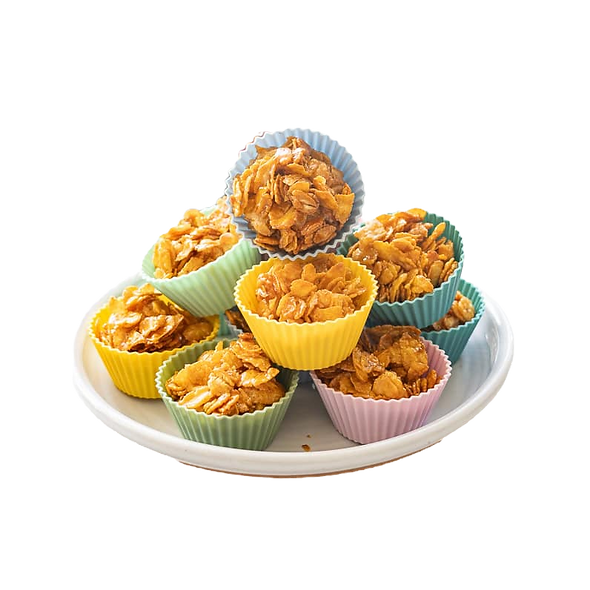
That’s the key distinction. A classic homemade rice crispy square can be a lovely treat. It just shouldn’t be mistaken for a protein bar, a substantial after-school snack, or a lunchbox anchor food.
Bigger Bar Bigger Problem
The larger version teaches one of the most useful label lessons in the whole snack aisle: serving size changes everything.
A 37g Rice Krispies Square contains around 153 calories and 30g of carbohydrates, with a macronutrient breakdown of approximately 77% carbs, 19% fat, and 3% protein, according to the nutrition breakdown for the larger Kellogg’s Rice Krispies Treats Square. That same listing notes 26% DV of Vitamin B6, while the bar still lacks meaningful fiber, potassium, or calcium.
The bigger snack effect
Parents often underestimate larger bars because they still look like a “single serving.” No one cuts a wrapped snack bar into thirds at the soccer field. It gets handed over whole.
But when the bar gets bigger, the sweetness and starch scale up right along with it. What looked like a little treat can become a much more substantial sugar-heavy snack, without gaining the protein and fiber that would make it more satisfying.
That’s the sneaky part.
Fortified doesn’t mean well-rounded
The presence of added B-vitamins can make a label seem healthier than the snack really is. Vitamin B6 sounds impressive. Riboflavin sounds science-y in a reassuring way. Parents see a few vitamins and think, “Okay, maybe this isn’t so bad.”
But fortification doesn’t replace food structure.
Added vitamins can decorate a label. They can’t turn a low-fiber, low-protein sweet snack into a balanced one.
Whole foods and more thoughtfully built snacks usually bring a wider package to the table. They don’t just add nutrients. They come with natural texture, better satiety, and ingredients that work together more effectively in a real meal or snack routine.
So if a bigger rice crispy square is marketed as a more substantial option, pause and ask a better question than “What vitamins are added?” Ask, What’s doing the actual work here? In this case, it’s still mostly carbs, with very little protein support.
Your Guide to Reading Snack Bar Labels
Rice crispy squares are a handy practice run for reading any kid snack bar, cookie pack, or lunchbox treat. Once you know what to scan for, labels get much less intimidating.
If you want a deeper primer, this guide on how to read food labels is worth bookmarking. For the grocery aisle sprint version, use this three-part method.
Start with serving size
Before you look at sugar, calories, or anything else, check what the serving is. A package might look small but still contain more than you expect nutritionally because the bar itself is dense and concentrated.
If the bar is larger than the standard version, don’t assume it’s just “a little more.” Bigger snack bars can scale up fast.
Check added sugar, then look for balance
“Total sugars” and “added sugars” aren’t the same thing. Added sugar tells you more about how much sweetness was built into the product.
Then check what balances it out. Ask:
- Is there meaningful protein?
- Is there fiber?
- Will this snack likely keep my kid full, or just busy for five minutes?
A snack doesn’t need to be perfect. It just needs enough structure to do its job.
Read the ingredient list like a detective
Here, the true personality of the snack shows up.
Look for:
- Recognizable ingredients you’d use at home
- Shorter lists when possible
- Allergens or animal ingredients that matter for your family
- Preservatives or additives you may prefer to limit
The more often you do this, the faster it gets. Soon you’ll be the parent who can decode a snack label in the time it takes your kid to ask for two other things and somehow lose one shoe.
Smart Swaps to Build a Better Square
You don’t have to abandon the idea of a crispy, chewy square. You just need to rebuild it so it acts more like a snack and less like a sugar delivery system.

Upgrade the structure first
The smartest swap isn’t just “use less sugar.” It’s add ingredients that bring staying power.
Good places to start:
- Nut or seed butter for richness and more satisfaction
- Chia seeds or hemp hearts for extra texture and nutrition
- A less sugary binder so marshmallow doesn’t have to do all the work
- A puffed cereal with a better ingredient profile if you can find one
Even a small shift in recipe structure can make the final square feel more grounding and less like a snack that vanishes nutritionally the moment it’s eaten.
Keep the fun part
Kids don’t need every treat turned into a lecture in bar form. Texture matters. Familiarity matters. Sweetness matters too.
So keep some of the magic. Keep the chew. Keep the hand-held square shape. Maybe add cinnamon, a drizzle of nut butter, or a sprinkle of mini mix-ins that make it feel exciting without turning it into dessert-plus-dessert.
The best “healthy” remake still feels like a treat your kid wants to eat.
If you want a visual walk-through for homemade inspiration, this video gives a helpful starting point:
Think in pairs
One easy parent trick is to stop asking a square to do the whole snack job by itself. Pair it with something that fills the gaps.
Try serving a small square with:
- Apple slices
- Plain yogurt
- A handful of seeds or nuts, if age-appropriate
- Milk or a more substantial side
That way, the crispy square gets to stay what it is: fun. The rest of the snack helps carry the nutrition.
Beyond the Square The New World of Kids Snacks
The good news for parents is that snack time doesn’t have to swing between two extremes. It’s not only homemade-or-bust, and it’s not only packaged sweets in tiny wrappers.
More families now want snacks that are convenient, simple, and made from ingredients that make sense. That shift is changing what shows up in lunchboxes. Kids still want bars, cookies, and grab-and-go treats. Parents just want those options to pull more nutritional weight.
That’s why rice crispy squares nutrition facts are so useful as a learning tool. Once you understand why a classic square falls short, you start spotting the same pattern in other kid snacks. Cute package. big sweetness. little staying power. Then your shopping decisions get easier.
If you bake at home, ingredient swaps can help a lot. For parents experimenting with syrups and binders in homemade snacks, this guide to top syrup substitutes for baking can spark some practical ideas.
The bigger win is confidence. You don’t need to fear every sweet snack, and you don’t need to overthink every cookie. You just need a clear sense of what belongs in the everyday lane, what belongs in the treat lane, and what can be improved with a few smart tweaks.
If you want an easier way to stock up on snacks made with simple organic ingredients, Skout Organic is worth a look. Their lineup of kids snack bars, soft-baked cookies, and protein bars is built for families who want convenient options that still feel aligned with a more thoughtful approach to snacking.