 Kids Snack Bars
 Soft-Baked Cookies
 Protein Bars
 Build A Box
 Shop All





Standing in the snack aisle can feel like a mission, right? When you’re on the hunt for genuinely healthy energy bars, how do you even know where to start? Let's spill a little secret: the best bars are built on simple, whole-food ingredients you already know and love—like fruits, nuts, and seeds—giving you sustained energy without that dreaded sugar crash. It’s all about finding a super convenient snack that doesn’t make you compromise on nutrition.
The Quest for the Perfect On-the-Go Snack
Let’s be real, life is a whirlwind. Between work, school pickups, and everything in between, sitting down for a proper, nutritious meal can feel like a superpower you just don't have. This is where the mighty energy bar swoops in, cape and all, promising a quick fuel source to keep you and your family going strong.
But hold on—not all heroes wear capes, and not all bars are created equal.
So many of the options posing as "healthy" are basically just candy bars in disguise. They're often packed with refined sugars, artificial additives, and a laundry list of ingredients you can’t even pronounce. The result? A snack that leaves you feeling sluggish and reaching for more junk food an hour later. This is a huge problem with kids' snack bars and cookies, which can easily turn a well-intentioned snack time into an accidental sugar fest. No thank you!
Why Simple Ingredients Matter Most
The secret to finding the best healthy energy bars is to look past the flashy marketing claims and focus on the simple power of whole foods. Think of it this way: you want a snack made from ingredients you could find in your own kitchen, not a science lab. When you choose bars made with recognizable, plant-based ingredients, you’re giving your body the clean fuel it actually needs to thrive.
This shift toward simpler, more wholesome options isn't just a trend; it's a movement. The global appetite for cleaner snacks is growing like crazy. The organic energy bar market alone, currently valued at around USD 0.34 billion, is expected to explode to nearly USD 0.7994 billion by 2035. That's a ton of growth, and it proves just how many people are on the hunt for convenient, trustworthy snacks. You can read more about these market trends to see just how much demand for better snacking is shaping the food industry.
The best snacks don't just fill a gap—they fuel your day. Choosing bars with minimal, high-quality ingredients empowers you to make smarter, healthier decisions for your entire family, turning a simple snack into a powerful act of self-care.
So, how do you cut through all the noise? It starts with knowing what to look for and, just as importantly, what to avoid. Once you’re armed with a little knowledge, you can walk down that snack aisle with confidence and pick a winner every single time. Let's dive into what truly makes an energy bar a healthy choice.
The Anatomy of a Genuinely Healthy Snack Bar
Ready to become a snack detective? Peeling back the wrapper on a "healthy" bar shouldn't feel like you need a chemistry degree. A truly good-for-you snack isn't some complex science experiment; it’s just a simple, honest combination of high-quality ingredients your body actually recognizes.
Think of it like building a sturdy campfire. You need the right wood—solid, dry logs—to keep a flame burning steadily for hours. In the same way, a great bar provides lasting energy, not just a quick spark that fizzles out, leaving you and your kids crashing. It’s all about getting the balance right so snacking becomes a powerful tool, whether you're fueling a busy workday or your child's playground adventures.
This infographic breaks down who really benefits when healthy snacking becomes a priority.
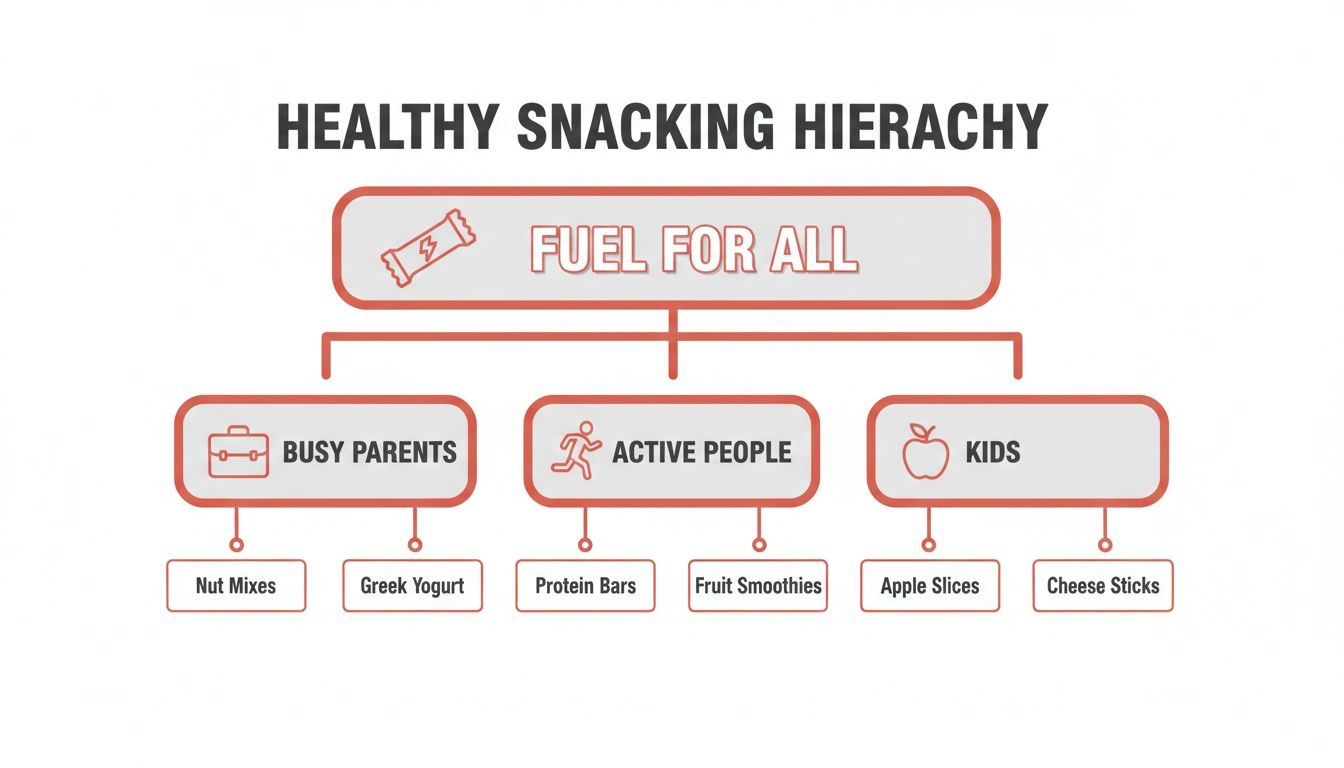
As you can see, smart snacking is essential for almost everyone—from parents juggling a million things to kids who need constant, clean fuel to grow and play.
The Energy Trio: Clean Protein, Fiber, and Fats
The foundation of any great energy bar rests on three pillars: clean protein, natural fiber, and healthy fats. This trio works together in perfect harmony to keep you feeling full, focused, and totally satisfied.
-
Clean Protein: These are your body’s building blocks for muscle repair and growth. Plant-based sources like pumpkin seeds, sunflower seeds, almonds, and cashews are fantastic because they deliver quality protein without any weird additives.
-
Natural Fiber: Found in whole fruits, oats, and seeds, fiber is the secret to a slow-and-steady energy release. It helps keep blood sugar stable, which is key to avoiding that dreaded "sugar crash" that tanks your mood and energy.
-
Healthy Fats: Ingredients like nut butters and seeds are packed with essential fatty acids that support brain function and help you feel full way longer. They’re a crucial part of the energy equation, providing a dense and lasting fuel source.
The Great Carbohydrate Divide
Here’s the thing: not all carbs are created equal.
Imagine you're building a house. You could use strong, solid bricks, or you could use handfuls of sand. Whole-food carbohydrates from sources like dates or other real fruits are the bricks—they provide slow-release energy that your body can use steadily over time.
Refined sugars, on the other hand, are the sand. Ingredients like corn syrup, cane sugar, or brown rice syrup cause a massive spike in blood sugar, followed by an equally fast crash. This is especially important for kids' snacks, where a sugar rush can quickly turn into irritability and a total loss of focus.
When you're choosing a snack, you want the lasting power of bricks, not the instability of sand. For a closer look at what makes a great bar, it helps to understand these core differences. You can learn more about picking the best options in our complete guide on what to look for in a nutrition bar.
Hero vs Villain Ingredients In Your Energy Bar
To make it even easier, here’s a quick-glance guide to identify the good stuff and avoid the junk in your family's snacks. Knowing which ingredients to cheer for can make all the difference. For a deeper dive into the criteria that define truly healthy eating, you can explore insights from fitness and nutrition coaching programs.
| Ingredient Category | Look For These Heroes (Sustained Energy) | Avoid These Villains (Sugar Crash) |
|---|---|---|
| Sweeteners | Organic Dates, Unsweetened Fruit (Apples, Blueberries) | High Fructose Corn Syrup, Cane Sugar, Agave Nectar |
| Proteins | Pumpkin Seeds, Sunflower Seeds, Almonds, Cashews | Soy Protein Isolate, Whey Protein Concentrate |
| Fats | Sunflower Seed Butter, Organic Coconut Oil, Nuts | Palm Oil, Hydrogenated Oils, Soybean Oil |
| Carbs & Fiber | Organic Oats, Chia Seeds, Flax Seeds, Whole Fruits | Brown Rice Syrup, Tapioca Syrup, Refined Flours |
| Flavorings | Organic Cacao, Vanilla Extract, Cinnamon, Sea Salt | Artificial Flavors, "Natural Flavors" (unspecified) |
Think of this table as your cheat sheet for the grocery aisle. Once you start spotting the heroes and avoiding the villains, choosing genuinely healthy snacks becomes second nature.
How to Decode Nutrition Labels Like a Pro
Think of a nutrition label as a treasure map. It might look a little complicated at first, but once you learn the secrets, it's surprisingly easy to find the prize: a genuinely healthy snack. The flashy claims on the front of the box are designed to catch your eye, but the real story is always hiding on the back.
This is especially true for kids' snacks. Packaging plastered with cartoons and bright colors can be a major distraction. A quick label check is the only way to separate a good-for-you snack from a sugar-loaded treat in disguise. Learning to read these labels is your superpower, letting you see past the marketing hype and choose what's actually best for your family.
The Number One Rule of Label Reading
Before you even glance at the calories or fat content, do this one thing first: always read the ingredients list. This is where the truth lives. Ingredients are listed by weight, from most to least, so the first few items on the list make up the bulk of the bar.
A shorter ingredients list is almost always a sign of a better, cleaner product. If you see a laundry list of words you can’t pronounce, it's a good idea to put it back on the shelf. The best healthy energy bars are made from foods you recognize.
The goal is to find bars where the top ingredients are whole foods like organic dates, pumpkin seeds, or almonds. When you see those at the beginning of the list, you know you're on the right track. For a more detailed walkthrough, check out our complete guide on how to read food labels.
Unmasking Sneaky Sugars and Marketing Buzzwords
Sugar is a master of disguise. Food manufacturers use dozens of different names for it, hoping you won't notice just how much is hiding in that "healthy" snack. It's time to become a sugar detective and learn its many aliases.
Be on the lookout for these common hidden sugars:
- High-fructose corn syrup
- Dextrose
- Cane juice or evaporated cane juice
- Maltodextrin
- Brown rice syrup
- Agave nectar
Similarly, marketing terms can be really misleading. Words like "all-natural" sound great, but they aren't regulated by the FDA. That means they can be slapped on products that are still highly processed.
On the other hand, a term like "USDA Organic" carries real weight. This certification means the ingredients were grown without synthetic pesticides or fertilizers, giving you confidence that you're choosing a cleaner option for your kids and yourself.
Serving Size: The Sneaky Detail
Have you ever eaten a whole package of something, only to realize the nutrition facts were for just half the container? It’s a common trap. The serving size listed at the top of the nutrition panel dictates all the numbers that follow—calories, sugar, protein, everything.
Always check if the entire bar is one serving. If it’s listed as two, you need to double all the values to understand what you're actually consuming. This little detail can mean the difference between a 10-gram sugar snack and a 20-gram sugar bomb—a critical distinction, especially when choosing kids' snack bars.
Fueling Every Adventure from Playgrounds to Workouts
Not all energy needs are created equal. An adult training for a 10k has a very different fuel tank than a kindergartener conquering the monkey bars. That’s why the perfect healthy energy bar isn’t a one-size-fits-all solution; it’s about matching the right snack to the right adventure.
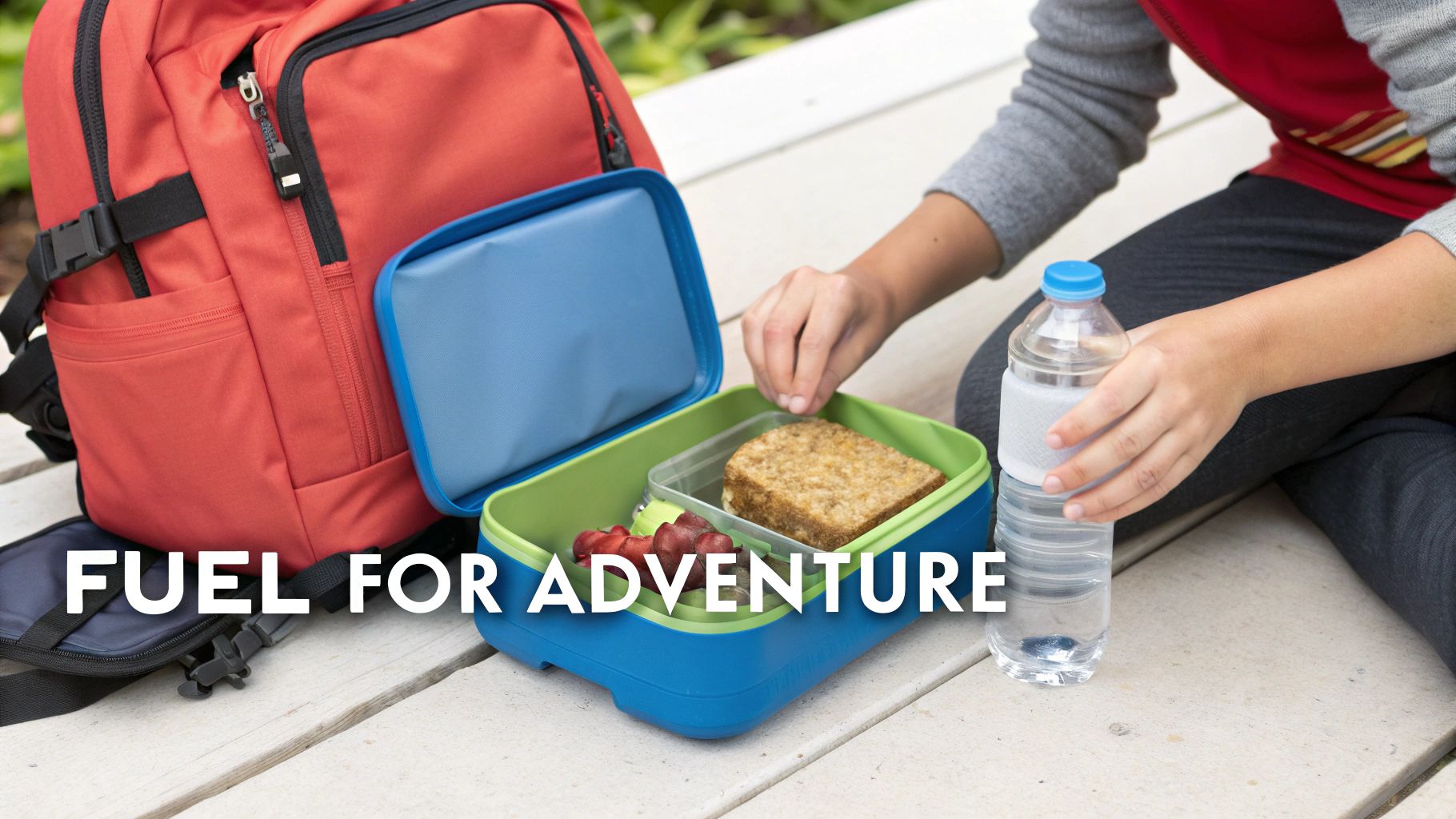
Whether you’re packing a lunchbox or a gym bag, the goal is the same: clean, sustained energy that supports the body's demands without a nasty crash. Let's break down how to choose the best fuel for two very different—but equally important—scenarios.
Smart Snacking for Little Superheroes
When it comes to kids, snacking is serious business. Their growing bodies and boundless energy require constant refueling, but their needs are unique. The best kids' snack bars and cookies prioritize simplicity, gentle nutrition, and—of course—delicious flavors that get a thumbs-up from even the pickiest eaters.
So, what should you look for? First and foremost, a super-short, recognizable ingredient list is your best friend. Think organic dates for natural sweetness, sunflower seed butter for healthy fats, and real fruits like blueberries or apples for flavor and fiber. These ingredients provide steady energy that fuels focus and fun, minus the sugar-induced rollercoaster of hyperactivity followed by a meltdown.
The ultimate goal for a child's snack is to be a mini-meal. It should be satisfying enough to bridge the gap between meals, packed with nutrients to support development, and delicious enough to feel like a treat.
Portion size is another key factor. Kids don't need the same calorie load as adults, so look for smaller, kid-friendly bars. This prevents over-snacking and ensures they still have an appetite for their main meals.
Fun Ways to Elevate Kids Snack Bars
Turn a simple snack into an exciting mini-meal with a little creativity. These ideas add extra nutrients and make snack time an adventure:
- Snack Box Builder: Cut a healthy bar into bite-sized pieces and pair it with cheese cubes, apple slices, and a few carrot sticks in a bento box. This creates a balanced, visually appealing snack.
- Cookie Crumbles: Crumble a soft-baked cookie over a bowl of plain yogurt and berries for a fun parfait. It adds texture, flavor, and a boost of protein and fiber.
- Dip & Dunk: Pair a simple fruit bar with a side of sunflower seed butter for dipping. This adds extra healthy fats and protein to keep them full longer.
Fueling the Fitness Enthusiast
For active adults, the snacking game changes. Whether you're a runner, a cyclist, or a gym-goer, your body requires specific nutrients for performance and recovery. This is where healthy energy bars truly shine, acting as a convenient tool to optimize your workouts.
It’s no surprise that the fitness and wellness boom has powered the rise of organic energy bars. As more people join health clubs, they're ditching snacks with synthetic additives for GMO-free, protein-and-fiber-rich options perfect for pre- and post-workout fuel.
Pre-Workout Power: About 30-60 minutes before you exercise, a bar rich in easily digestible complex carbohydrates is ideal. Ingredients like organic dates provide the quick-but-sustained energy you need to power through your session without weighing you down.
Post-Workout Recovery: After you’ve finished, your muscles are crying out for repair. This is when protein is king. A plant-based bar with a solid protein source, like pumpkin or sunflower seeds, helps rebuild muscle tissue and replenish your energy stores. To truly optimize your performance, it helps to understand the essential vitamins for sustained energy.
For runners, finding that perfect balance of carbs for fuel and protein for recovery is crucial. Check out our detailed guide on the best energy bars for running to find the ideal match for your mileage. By tailoring your snack to your activity, you're not just eating—you're strategically fueling your body for success.
Creative Ways to Enjoy Energy Bars and Cookies
Why stick to eating a bar straight from the wrapper? While they’re perfect for those grab-and-go moments, healthy energy bars and cookies are also surprisingly versatile. Think of them as a secret ingredient that can add a fun, nutritious twist to your family's favorite meals.
Thinking outside the wrapper is a fantastic way to add texture, flavor, and a boost of clean energy to your daily routine.
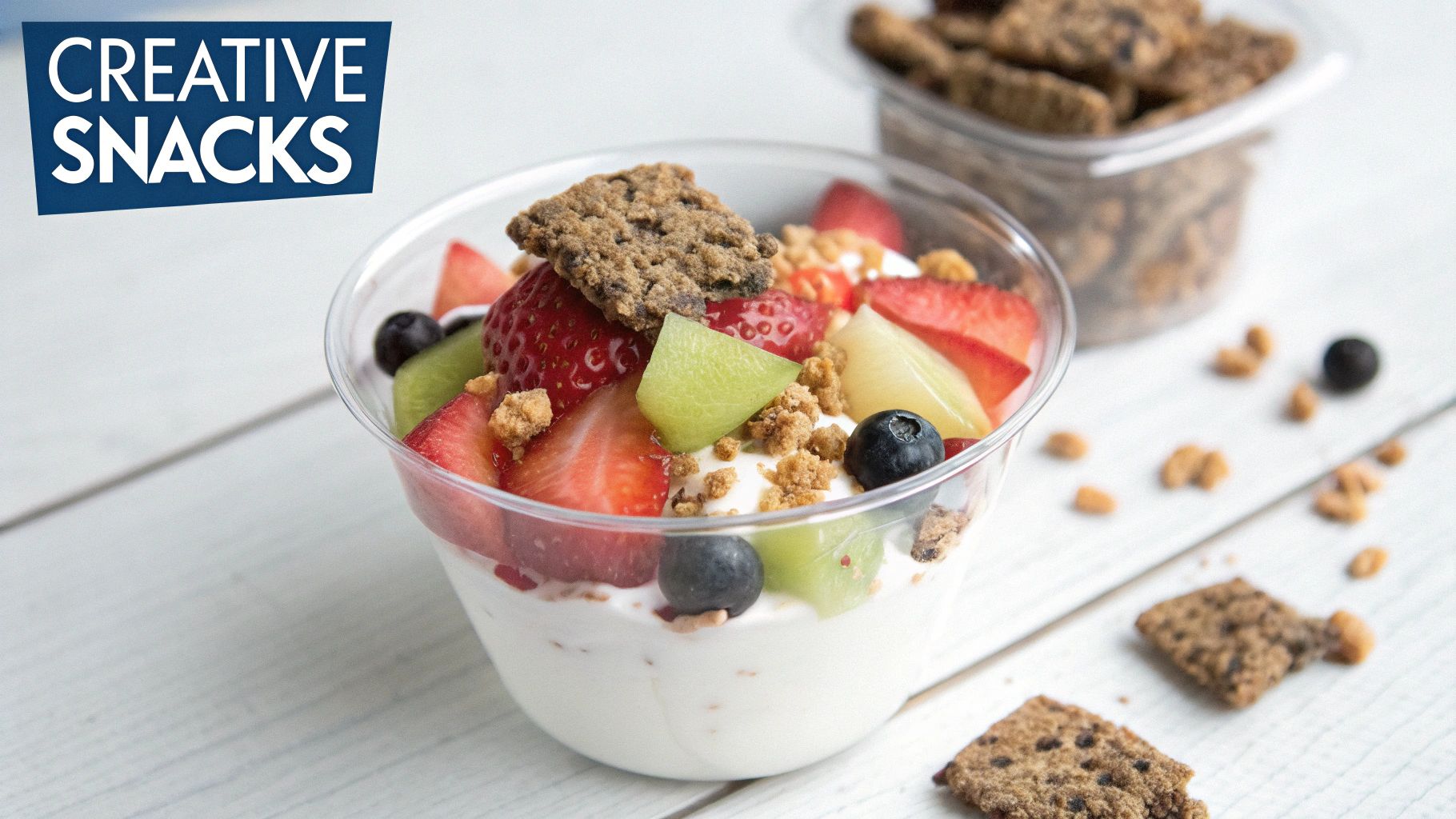
This is especially true when it comes to kids. A simple bar can become the star of a creative kitchen activity, turning routine snack time into a joyful, engaging experience. Let’s dive into a few simple ideas to make healthy snacking a highlight of everyone's day.
Elevate Your Everyday Meals
It’s surprisingly easy to weave the goodness of a healthy bar into breakfasts, desserts, and everything in between. It’s all about using their wholesome ingredients—like fruit, seeds, and oats—to enhance dishes you already know and love.
Here are a few brilliant ideas to get you started:
- Yogurt Parfait Power-Up: Crumble a fruit-and-seed bar over a bowl of Greek yogurt and fresh berries. You get a delightful crunch, a touch of sweetness, and an extra dose of fiber to kickstart your morning.
- Smoothie Supercharger: Toss half of a simple, clean-ingredient bar into your morning smoothie. It works as a natural thickener and provides a slow-release energy boost that will keep you feeling full and focused.
- Healthy "Ice Cream" Topping: For a guilt-free dessert, crumble a soft-baked cookie over a bowl of frozen banana "nice cream." It's the perfect way to satisfy a sweet tooth without reaching for sugary sprinkles.
These small additions make a big difference, turning a standard meal into something more nutritious and a whole lot more exciting.
Crafting the Ultimate Kids' Snack Board
Want to get kids excited about healthy eating? Make it interactive. A snack board—think of it as a kid-friendly charcuterie board—is the perfect canvas for creativity. It empowers little ones to build their own snack, which makes them much more likely to try new things.
The secret to a successful kids' snack board is variety in color, texture, and shape. It turns eating into a sensory adventure, sparking curiosity and making wholesome foods feel like a special treat.
Start with a clean bar as your centerpiece. Cut it into fun shapes like squares, triangles, or long "dipper" sticks. Then, surround it with a vibrant mix of kid-approved favorites.
Your Snack Board Shopping List:
- The Main Event: A Skout Organic Kids Snack Bar, cut into bite-sized pieces.
- Fresh Fruits: Sliced apples, strawberries, blueberries, and grapes.
- Veggies & Dip: Baby carrots and cucumber slices with a side of hummus.
- Protein Pals: Cheese cubes or rolled-up turkey slices.
- Crunchy Bits: A small handful of whole-grain crackers or pretzels.
Arranging these on a plate creates a visually appealing mini-feast that is as fun to assemble as it is to eat. It’s a wonderful strategy for after-school snacking that keeps kids happily fueled for whatever adventure comes next.
Let’s be real: navigating the world of kids' snacks can feel like a full-time job. Between decoding confusing labels and dodging the endless parade of sugar-loaded treats, it’s easy to get overwhelmed. But what if we looked at it differently? Healthy snacking doesn't have to be a chore—it can actually be a simple, joyful part of your family's routine.
The journey to better snacking really just boils down to a few key ideas. It all starts with choosing snacks built from real, whole-food ingredients you can actually recognize. When you grab a bar made from things like organic dates, sunflower seeds, and real fruit, you’re giving your kids clean, sustained energy for everything from playground adventures to afternoon homework sessions.
From Label Reader to Confident Parent
The next step is becoming a confident label-reader. It’s time to ignore the flashy claims on the front of the box and head straight for that tiny ingredients list on the back. A shorter list packed with pronounceable foods is your biggest clue that you've found a good one. Soon enough, spotting sneaky sugars and artificial additives will become second nature, empowering you to make great choices without all the guesswork.
The real goal here is to build a positive relationship with food for your whole family. It's about showing that nourishing your body can be delicious and fun, not restrictive or complicated.
Choosing the right healthy energy bars isn't about finding a single "perfect" snack. It’s about tailoring your choices to fit your family’s unique needs—whether that’s a post-soccer practice refuel for your little one or a quick energy boost for you during a busy workday.
By embracing these simple principles, you're not just buying snacks; you're building lasting habits. You’re teaching your kids that wholesome food can be exciting and satisfying, setting them up for a lifetime of making great choices. It's about finding the joy in simple, clean foods that make everyone feel their best.
Frequently Asked Questions About Healthy Energy Bars
Still have a few questions buzzing around? You’re not alone! The world of healthy energy bars can bring up a lot of curiosities, especially when you’re trying to make the best choices for your family. Here are some quick answers to the most common questions we hear.
Are Energy Bars Good for Weight Loss
They absolutely can be a helpful tool on your journey! A bar packed with protein and fiber is fantastic for keeping you feeling full and satisfied, which helps curb those sudden cravings for less healthy options. This is a game-changer for avoiding that mid-afternoon vending machine run.
However, the key is choosing wisely. So many bars on the market are surprisingly dense in calories and loaded with sneaky sugars, which can work against your goals. The secret is to stick with bars made from simple, whole-food ingredients and enjoy them as a planned part of your day—not just as an extra treat on top of everything else.
When Is the Best Time to Eat an Energy Bar
The best time really comes down to what you’re trying to accomplish that day! Think of it as strategic fueling.
- To Beat the Afternoon Slump: A balanced bar with natural carbs and protein is the perfect sidekick for beating that 3 PM energy dip.
- For Pre-Workout Fuel: Grab one about 30-60 minutes before exercise to give your body the sustained energy it needs to perform.
- For Post-Workout Recovery: A bar higher in plant-based protein is excellent for helping your muscles repair and rebuild after a good session.
- As an After-School Snack: They are ideal for holding kids over until dinner, preventing those dreaded pre-meal meltdowns.
Generally, it's best to avoid eating one right before bed. That awesome energy boost is great for an active day, but not so much when your body is trying to wind down for a good night's sleep.
Can My Toddler Eat Healthy Energy Bars
Yes, as long as you pick the right ones! This is where kids' snack bars and cookies really get to shine. Look for options specifically designed for little ones, which are usually softer, smaller, and made with gentle, organic ingredients like fruit and oats. It's a fun and easy way to get more nutrients into a picky eater.
When choosing a bar for a toddler, safety and simplicity are everything. Always avoid bars with whole nuts (a potential choking hazard), artificial ingredients, or a high sugar content. To be extra safe, cut the bar into small, manageable, bite-sized pieces.
Ready to make healthy snacking a joyful and delicious adventure for your whole family? Skout Organic offers a delightful range of plant-based, certified organic kids' snack bars and cookies made with ingredients you can trust. Build your custom snack box today!