 Kids Snack Bars
 Soft-Baked Cookies
 Protein Bars
 Build A Box
 Shop All





So, you're thinking about going gluten and dairy free? Awesome! It's a big step, but it's all about one thing: figuring out what foods make you feel your absolute best. This lifestyle simply means kicking foods with gluten (the protein in wheat, barley, and rye) and dairy (any milk products from animals) to the curb.
People do it for all sorts of reasons—managing allergies, calming sensitive tummies, or tackling autoimmune issues. For many, it's the secret key to unlocking better digestion and feeling fantastic.
Starting Your Gluten and Dairy Free Journey
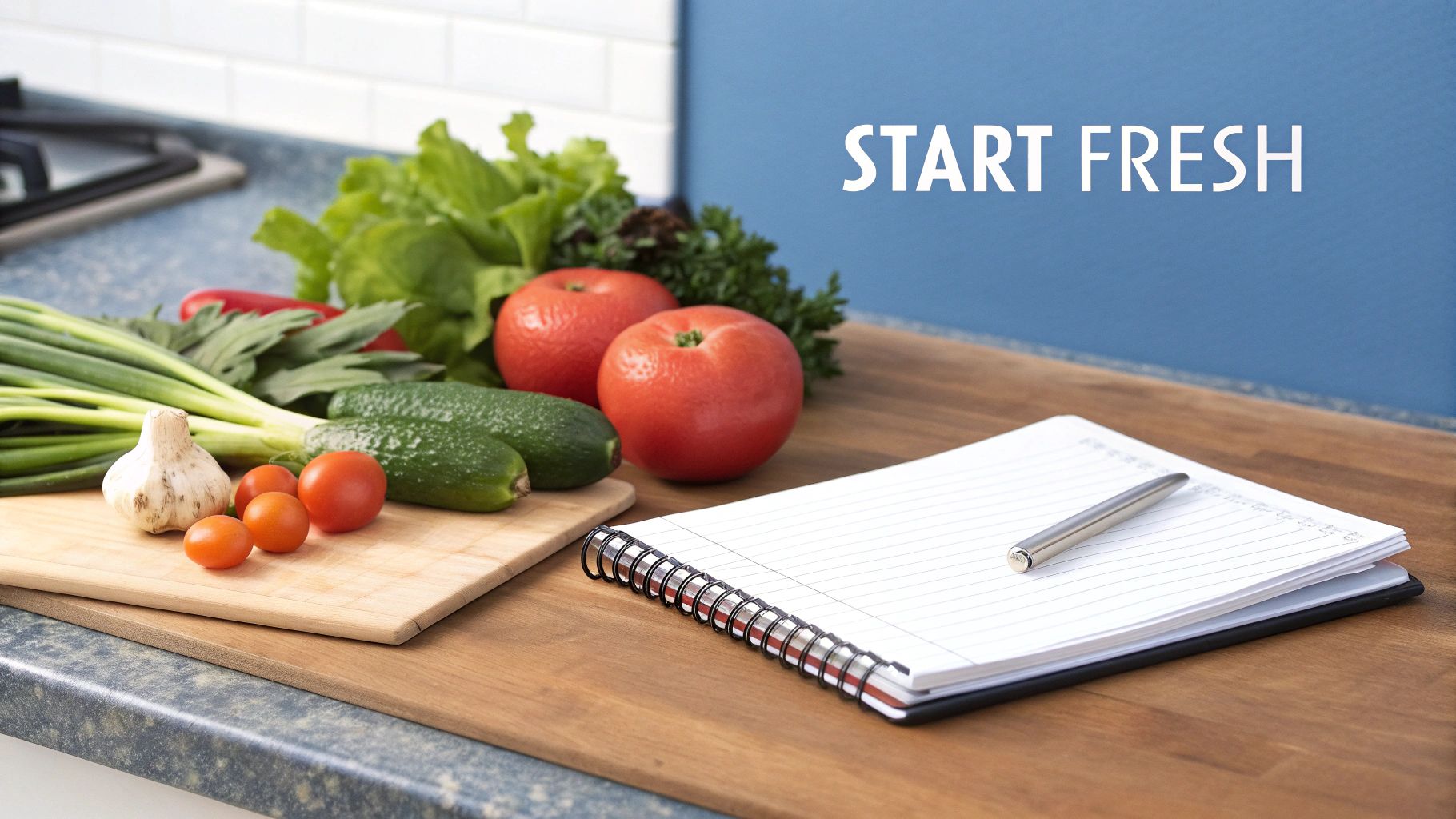
Jumping into a gluten and dairy free world can feel like a huge deal. Let’s be real, it is. But instead of thinking about what you're "giving up," let's reframe it as an adventure in discovering awesome new foods. Ready for a flavor quest?
Whether you're making this change for yourself, your partner, or your kids, the goal is the same: to find joy in food that truly nourishes you. Many people are surprised by the benefits they notice, from less bloating and clearer skin to way more energy during that afternoon slump.
Why Go Gluten and Dairy Free?
The "why" behind this switch is always personal. For some families, it’s a medical necessity to manage celiac disease or a dairy allergy. For others, it’s a way to finally get to the bottom of nagging issues like digestive discomfort, brain fog, or inflammation.
Here are a few of the top reasons families make the change:
- A Happier Tummy: Removing gluten and dairy can be a total game-changer for calming an upset digestive system, for both kids and adults. Think less gas, bloating, and general "ugh" feelings.
- More Energy: When your body isn't working overtime to process foods it finds irritating, you might unlock a whole new level of energy. Seriously, you could be bouncing off the walls (in a good way!).
- Tackling Sensitivities: Non-celiac gluten sensitivity and lactose intolerance are incredibly common. An elimination diet is often the clearest path to figuring out what's causing the trouble.
- Building Healthier Habits: This is a great opportunity to get back to basics and focus on whole foods—fruits, veggies, and lean proteins. It’s a fantastic way to learn more about nutrition and what actually fuels your family. Our guide on https://www.skoutorganic.com/blogs/the-snack-guide/what-is-plant-based-diet is a great place to start.
The key is to focus on what you can have, not what you can't. Your plate is about to get a lot more colorful with vibrant vegetables, fruits, and amazing proteins that are naturally gluten and dairy free.
Shop Our Snack Collections


It’s All About Small Steps
You don't have to overhaul your entire kitchen overnight. In fact, you probably shouldn't. The secret to making this stick is taking small, sustainable steps that build your confidence. You might find helpful tips in guides on similar dietary shifts, like this one on transitioning to a vegan diet, which shares a lot of the same principles.
Think of this guide as your friendly companion. We'll give you positive, practical advice to get you started and show you how simple swaps and a little planning can make this lifestyle not just manageable, but genuinely enjoyable.
Setting Up Your Gluten and Dairy Free Kitchen
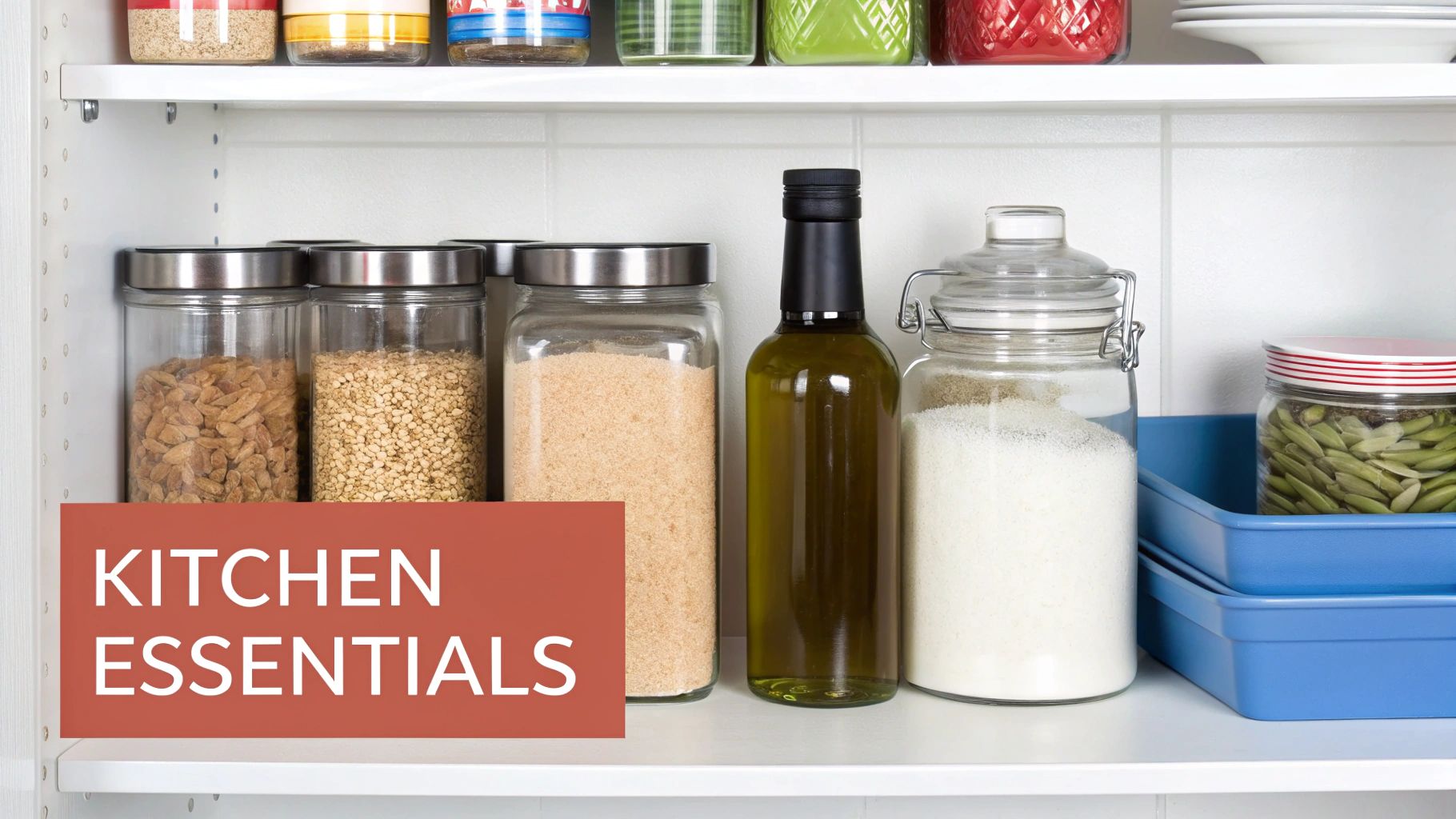
Alright, let's dive in and transform your kitchen into a gluten and dairy free sanctuary. Getting your space set up is where the real magic begins, and a little prep work now will save you a ton of stress later. Think of it less as a chore and more as an exciting kitchen refresh.
First up is the pantry purge. You’ve gotta be brave! Go through your cupboards, fridge, and freezer like a detective on a mission. You’ll be shocked where gluten and dairy love to hide—I'm talking soy sauce, salad dressings, canned soups, and even some unsuspecting spice blends. Instead of feeling sad about what you’re clearing out, get excited for all the delicious, feel-good upgrades you’re about to bring in.
This isn’t just about getting rid of temptation; it’s about creating a safe space where you can cook freely without having to second-guess every single ingredient. And you’re not alone in this shift—the global gluten-free products market was valued at around USD 7.75 billion and is growing every year, showing just how many people are embracing more mindful ways of eating.
Restocking Your Pantry With New Favorites
Now for the fun part: restocking! This is your chance to discover a whole new world of incredible flavors and textures. Your pantry is about to become a treasure trove of powerful, plant-based ingredients that will form the foundation of your new go-to meals.
Here are the new all-stars to add to your shopping list:
- Alternative Flours: Almond, coconut, and oat flour are game-changers for baking. It’s also a great idea to grab a solid all-purpose gluten-free blend to make recipe conversions a breeze.
- Plant-Based Milks: Unsweetened almond, coconut, and oat milk are perfect for literally everything, from your morning coffee and smoothies to creamy, comforting soups.
- Nutritional Yeast: This is your new secret weapon for adding a cheesy, savory flavor to dishes without any dairy. Sprinkle it on popcorn, pasta, or roasted veggies—you won't regret it.
- Tamari or Coconut Aminos: Say goodbye to traditional soy sauce (which usually contains wheat) and hello to these rich, savory, gluten-free alternatives.
For the freshest possible ingredients, you could even try your hand at cultivating edible indoor plants to have a year-round supply of herbs and greens right at your fingertips.
Shop Our Snack Collections
Easy Gluten and Dairy Free Ingredient Swaps
Worried you’ll have to give up your favorite recipes? Not a chance. Most dishes can be easily adapted with a few simple swaps. You won't believe how easy it is to make creamy, delicious meals that are completely gluten and dairy free.
Here’s a quick guide to some of the easiest, most effective swaps you can make.
Easy Gluten and Dairy Free Ingredient Swaps
| Instead of This (Gluten/Dairy) | Try This (GF/DF Alternative) | Best For |
|---|---|---|
| All-Purpose Wheat Flour | Gluten-Free All-Purpose Flour Blend | General baking, thickening sauces |
| Cow's Milk | Unsweetened Almond or Oat Milk | Cereal, smoothies, baking, coffee |
| Butter | Coconut Oil or Plant-Based Butter | Sautéing, baking, spreading on toast |
| Cheese | Nutritional Yeast or Cashew-Based Cheese | Pasta, pizza, tacos, cheesy sauces |
| Soy Sauce | Tamari or Coconut Aminos | Stir-fries, marinades, dipping sauces |
With these simple switches, you can keep making the meals you love without missing a beat.
Pro-Tip: Don't be afraid to experiment! Some of the best recipes are born from happy accidents in the kitchen. Mixing almond flour with a little tapioca starch can create a wonderful texture for cookies, while a splash of full-fat coconut milk can make any soup luxuriously creamy.
Avoiding Cross-Contamination
Finally, let’s talk about keeping your safe foods, well, safe. Cross-contamination is a real concern, especially if you live in a "mixed" household where some family members still eat gluten and dairy. A few simple habits can make all the difference.
Consider dedicating a few key kitchen tools just for gluten-free use. A separate toaster is an absolute must, as toast crumbs are notorious for contaminating gluten-free bread. Using color-coded cutting boards is another easy win—say, green for veggies and another color just for your gluten-free prep.
Always wipe down counters thoroughly before you start cooking, and try to store your gluten-free items on a higher shelf in the pantry to prevent crumbs from falling onto them from above. These small steps build confidence and help ensure your kitchen is truly a safe haven.
How to Read Food Labels Like a Pro
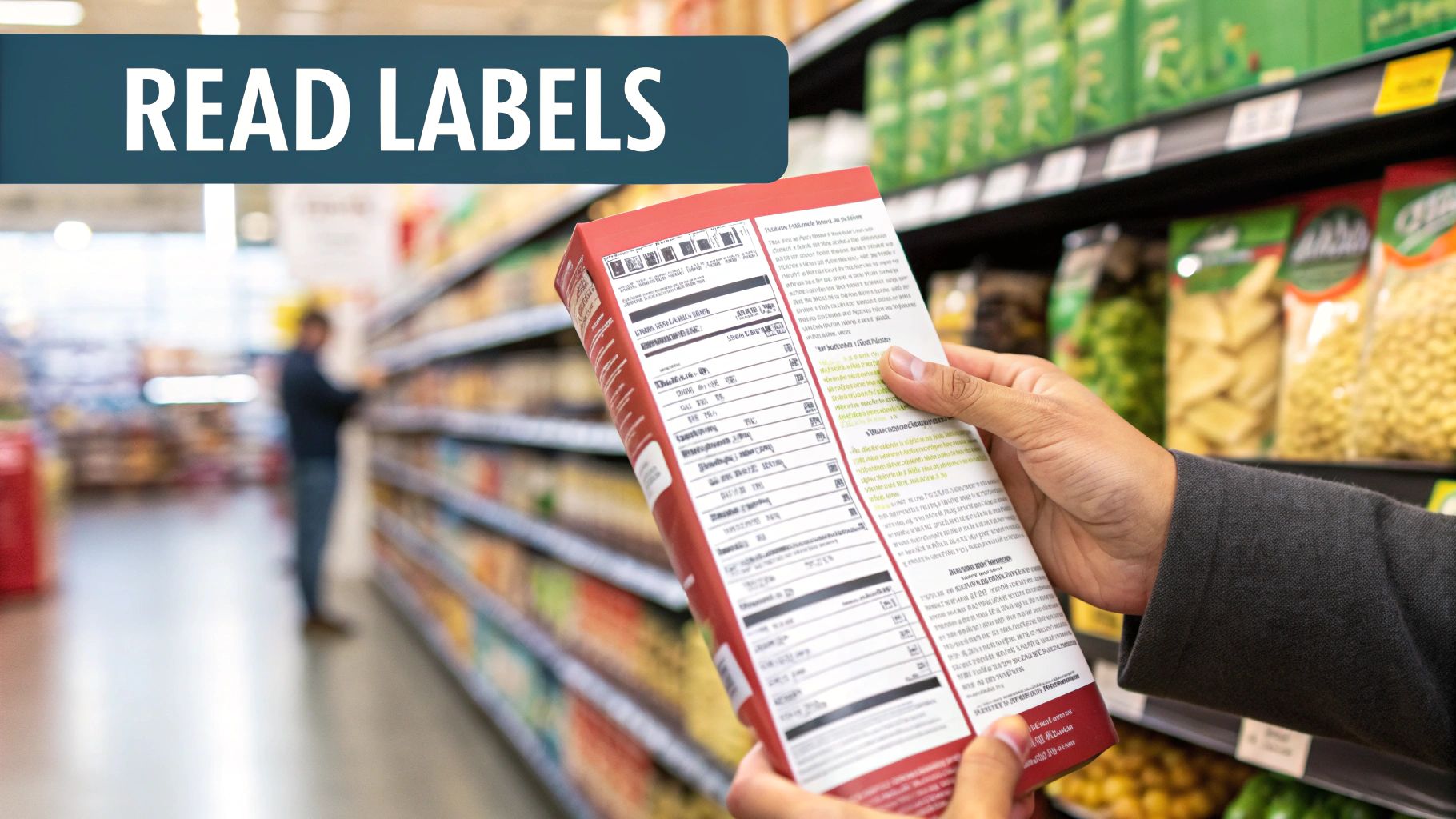
Welcome to your new superpower: reading food labels with the speed of a seasoned detective. Navigating the grocery store on a gluten and dairy free diet can feel like a pop quiz, but once you learn the lingo, it becomes second nature. This skill is your golden ticket to shopping with total peace of mind.
The ingredient list is your new best friend, but it often speaks in code. Gluten and dairy are masters of disguise, hiding where you’d least expect them. That savory soy sauce for your stir-fry? Traditionally brewed with wheat. Creamy salad dressings and even deli meats often contain hidden dairy or gluten-based thickeners.
Spotting Hidden Gluten and Dairy
To become a true label-reading pro, you need to know the aliases of your main culprits. Gluten doesn’t always scream "wheat," and dairy has more names than just "milk." Committing these to memory will help you spot them in a flash.
Common Culprits to Watch For:
- For Gluten: Look out for wheat (in all its forms like durum and semolina), barley, rye, malt, and brewer's yeast. Be wary of vague terms like "natural flavors" or "modified food starch," which can sometimes be derived from wheat.
- For Dairy: Keep an eye out for milk, casein, whey, lactose, and even ghee. Ingredients like galactose and lactalbumin are also red flags signaling milk proteins are present.
It might feel like a lot to remember, but you'll get the hang of it quickly. For a deeper dive, our guide on how to read food labels breaks down even more of the tricky terminology you'll run into.
Decoding Certifications and Allergen Statements
Beyond the ingredient list, certifications are your most trusted allies in the grocery aisle. They’re like a seal of approval, confirming a product meets specific safety standards. These logos take the guesswork out of your shopping trip, which is a huge relief when you're in a hurry.
Think of certifications as a shortcut to safety. When you see a "Certified Gluten-Free" or "Certified Vegan" logo, you can trust that the product has undergone rigorous testing to ensure it's safe for you or your family to enjoy.
Here are the key logos to look for:
- Certified Gluten-Free: This is the gold standard. It means the product contains less than 20 parts per million (ppm) of gluten, the FDA's threshold for a gluten-free claim. Many certification bodies have even stricter standards, testing down to 10 ppm or 5 ppm.
- Certified Vegan: A vegan certification guarantees a product is completely free of animal products. Since dairy comes from an animal, this is an excellent and reliable indicator that a product is dairy-free.
- Allergen Statements: The law requires manufacturers to clearly state if a product contains any of the top allergens, including wheat and milk. You’ll usually find this right below the ingredient list in bold text, often starting with "Contains: Wheat, Milk."
Learning to spot these keywords and logos will transform you into an efficient, empowered shopper. You'll be able to quickly scan products and make confident choices, whether you're at your local supermarket or a specialty health food store.
Shop Our Snack Collections
Finding Fun and Easy Snacks for Kids
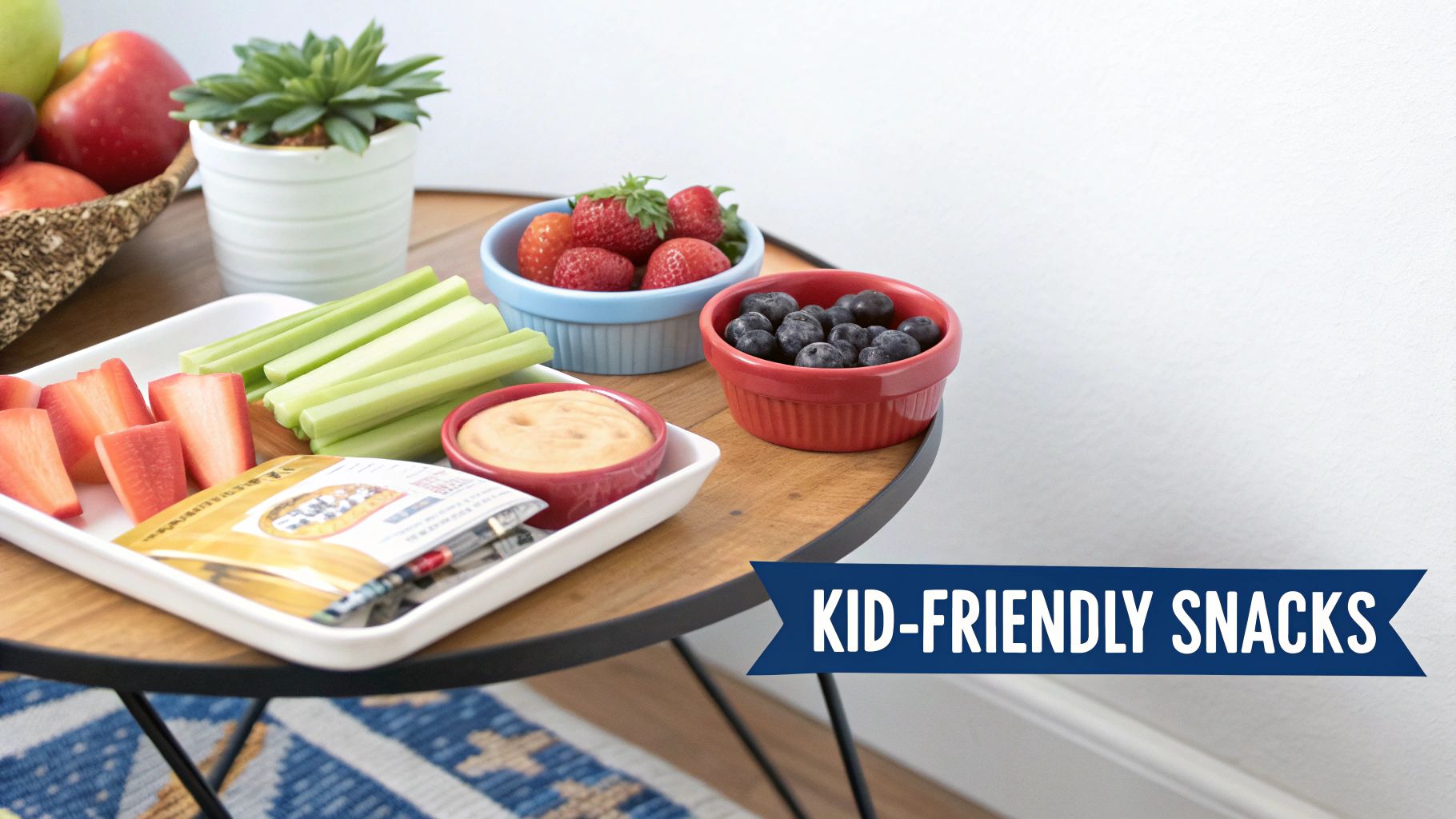
Let's talk about the snack monster. It’s that familiar cry of "I'm hungry!" that echoes through the house right between meals. When you're managing a gluten and dairy free household, snack time can feel less like a fun break and more like a high-stakes puzzle. But it doesn't have to be that way! Finding delicious snacks that kids love is totally doable.
The real secret weapon for busy parents is having a stash of reliable, pre-packaged snacks ready to go. Think of them as your get-out-of-jail-free card on chaotic afternoons. They’re perfect for tossing into a lunchbox, grabbing on the way to soccer practice, or calming a rumbling tummy during a long car ride.
This isn’t just about convenience; it’s about safety. When a snack is certified gluten-free and made in a dedicated facility, you eliminate the guesswork and worry about cross-contamination. Total peace of mind.
Deliciously Convenient Kids Snack Bars and Cookies
When you're searching for the perfect grab-and-go option, you want something that tastes like a treat but is packed with the good stuff. We suggest looking for snacks with simple, organic ingredients that you can actually pronounce.
Skout Organic Kids Snack Bars are a perfect example. They’re designed specifically for little ones, with fun, kid-approved flavors and a soft texture that’s easy for small mouths to handle. Plus, they're perfect for tucking into a backpack for a mid-day energy boost.
And who doesn't love cookies? Our Skout Organic Cookies check all the boxes, too. They deliver that classic, satisfying cookie experience without a trace of gluten or dairy, making them a safe and delicious choice for parties, playdates, or a simple after-school reward.
Why Certified Options Matter
Choosing snacks that are specifically formulated to be free from both gluten and dairy is a game-changer for so many families. There's a surprisingly strong link between the two sensitivities. In fact, studies show that nearly 30-40% of people with celiac disease also struggle with lactose intolerance.
This overlap has fueled a huge demand for products that are safely free from both, especially in North America and Europe. For even more ideas to stock your pantry, check out our full list of gluten free dairy free snacks the whole family will love.
Get Creative With DIY Snacks
While pre-packaged snacks are lifesavers, sometimes it's fun to get creative in the kitchen. Making your own snacks can be a great activity to do with your kids, and it lets you control every single ingredient. The best part? Simple is often the most delicious.
Here are a few classic DIY snack ideas that are naturally gluten and dairy free:
- Ants on a Log 2.0: This isn't your average celery stick. Swap peanut butter for sunflower seed butter to keep it allergen-friendly and top with raisins, dried cranberries, or even gluten-free mini chocolate chips.
- Fruit Smoothies: The ultimate customizable snack. Blend frozen bananas and berries with a splash of oat milk or coconut water for a creamy treat. You can even sneak in a handful of spinach—they’ll never know!
- Homemade Veggie Dip: Blend a dairy-free yogurt alternative (like coconut or cashew-based) with fresh herbs like dill and chives, a squeeze of lemon juice, and a pinch of garlic powder. Serve it with crunchy carrots, cucumbers, and bell peppers.
Snack Time Pro-Tip: Set up a designated "snack station" in your pantry or fridge. Fill a basket with pre-portioned baggies of gluten-free pretzels, fruit leather, and Skout Organic bars. This empowers kids to grab their own safe snacks and makes your life a whole lot easier.
By balancing trusted, convenient products with fun homemade creations, you can conquer the snack monster with confidence. You’ll keep your little ones happy and nourished without ever feeling like you’re missing out.
Meal Planning and Dining Out Confidently
Alright, you've got a stocked pantry and some solid snack options. Now, let's tackle the daily grind of meals and the fun of social events.
Consistency is your friend here. A little bit of planning goes a long way in making this gluten- and dairy-free thing feel less like a chore and more like second nature.
Creating a meal plan isn't about locking yourself into a rigid schedule. It's about making your life easier. Just jotting down a few ideas for the week can eliminate that 5 PM panic of "what's for dinner?" This simple habit means you’ll have what you need on hand, saving you from last-minute grocery runs and the temptation to grab takeout that might not be safe.
A Sample Gluten- and Dairy-Free Meal Plan
To show you just how delicious this can be, here’s a quick 3-day plan. Think of it as a jumping-off point—swap in your favorite proteins, veggies, and flavors as you go.
A Quick 3-Day Blueprint:
-
Day 1
- Breakfast: Overnight oats with certified gluten-free oats, oat milk, and chia seeds. Top with fresh berries and a drizzle of maple syrup.
- Lunch: Big salad with grilled chicken, mixed greens, cucumber, tomatoes, and a creamy dairy-free ranch.
- Dinner: Taco bowls! Seasoned ground turkey, black beans, corn salsa, and avocado over a bed of fluffy quinoa.
-
Day 2
- Breakfast: A smoothie with spinach, a frozen banana, plant-based protein powder, and unsweetened almond milk.
- Lunch: Leftover taco bowl from last night. Meal prep for the win!
- Dinner: Gluten-free pasta tossed with a hearty veggie marinara, sautéed mushrooms, and a sprinkle of nutritional yeast for that cheesy vibe.
-
Day 3
- Breakfast: Scrambled eggs (or a tofu scramble) with a side of avocado and a slice of gluten-free toast with plant-based butter.
- Lunch: That leftover pasta—it's often even better the next day.
- Dinner: Easy sheet pan dinner. Roast some salmon, broccoli, and sweet potato cubes with olive oil, salt, and herbs. Simple and so good.
Navigating Restaurant Menus Like a Pro
Going out to eat should be fun, not stressful. With a couple of smart strategies, you can confidently order a safe and amazing meal almost anywhere. It all comes down to clear communication.
Luckily, dietary awareness is on the rise. Lactose intolerance affects an estimated 65% of adults worldwide, and in some regions, it's as high as 90%. This, plus the growing popularity of plant-based diets, means more restaurants are ready to handle special requests. You can learn more about the drivers behind the growing gluten-free food market and see just how common this is becoming.
A little prep work helps. Check the menu online before you go. Many places now mark gluten-free or vegan options. If not, you can at least get an idea of which dishes might be easy to adapt.
Don't ever be afraid to speak up and advocate for your needs. A good restaurant wants you to have a safe and enjoyable experience. Politely and clearly communicating your dietary restrictions is the most important step you can take.
When you get there, give your server a heads-up right away. A simple, friendly script can make this feel totally normal.
Try saying something like:
"Hi, I have a gluten and dairy allergy. Could you help me find some safe options on the menu? I'd love to know what the chef can prepare for me."
This approach is polite, direct, and makes the server your ally in finding a great meal.
Key Questions to Ask Your Server
Once you've started the conversation, knowing exactly what to ask is crucial for sniffing out hidden ingredients and avoiding cross-contamination.
Here are a few essential questions to have in your back pocket:
- "Is this dish prepared on a shared grill or in a shared fryer?" This is a big one for avoiding gluten from things like breaded foods.
- "Does the marinade or sauce contain any wheat or dairy?" Sauces, dressings, and marinades are notorious hiding spots for both.
- "Is there any butter used to finish the steak/fish/vegetables?" It's a common chef's trick. Just ask for yours to be prepared with olive oil instead.
- "Could you double-check with the kitchen?" If your server seems unsure, it's always best to politely ask them to confirm with the chef. Better safe than sorry
Got Questions? We’ve Got Answers.
Diving into a gluten- and dairy-free world is a big change, and it's totally normal for questions to pop up. Actually, it's a great sign—it means you're being thoughtful about this new adventure! Think of this as your friendly cheat sheet for all those "Wait, but what about...?" moments.
We’ve all been there. Having the answers ready makes everything feel a whole lot easier.
Will My Kids Get Enough Calcium Without Dairy?
This is probably the #1 question on every parent’s mind, and for good reason. The short answer? Absolutely! We've all been taught that calcium comes from cow's milk, but the truth is, tons of plant-based foods are loaded with it.
Your new best friends are fortified plant milks like almond, soy, and oat milk. Check the labels—many contain just as much (if not more) calcium than their dairy counterparts. But it doesn't stop there.
Here are some other calcium powerhouses to add to your grocery list:
- Leafy Greens: Spinach and kale are fantastic.
- Veggies: Broccoli is another winner.
- Fortified Juices: Look for calcium-fortified orange juice.
- Beans & Legumes: White beans and chickpeas pack a solid punch.
By mixing a variety of these foods into your family’s meals, you can easily meet everyone's calcium needs. If you’re still worried, a quick chat with your pediatrician can offer that extra peace of mind.
How Do I Handle Birthday Parties and School Events?
Social events can feel like you're navigating a minefield, but a little prep work turns them into a piece of cake (a gluten-free one, of course!). The key is planning ahead so your kid feels included and safe, never left out.
For birthday parties, a quick, friendly message to the host parent is all it takes. Let them know about your child's dietary needs and offer to bring a fun, shareable treat you know is safe. A batch of allergen-free cupcakes or a box of Skout Organic Cookies means your child has a guaranteed delicious option when the cake comes out.
It’s a similar game plan for school events—communication is everything. Chat with your child's teacher at the beginning of the year so they’re in the loop. Packing a special lunchbox with fun, safe snacks is usually the easiest route. This is also a great time to empower your kid to politely say, "no thank you," which is a skill that will serve them for life.
Is a Gluten and Dairy Free Diet Expensive?
Let's be real: some specialty products can definitely hit the wallet hard. But living this way doesn't have to break the bank. The trick is to shift your focus from pre-packaged replacements to whole foods that are naturally gluten- and dairy-free.
Basing your meals around affordable staples is the smartest, most budget-friendly approach.
Think about building your grocery list on things like:
- Rice and quinoa
- Potatoes and sweet potatoes
- Seasonal fruits and veggies
- Beans and lentils
- Lean proteins like chicken and eggs
Shopping in season, buying certain items in bulk, and cooking from scratch will dramatically cut your grocery bill. Think of specialty items like GF bread or fancy DF cheese as convenient treats, not everyday essentials. A solid meal plan also helps you stick to your list and dodge those pricey impulse buys.
I Feel Overwhelmed. Where Do I Even Start?
First, take a deep breath. It’s completely and totally normal to feel like you’re in over your head at the beginning. The secret is to take it one small, manageable step at a time. Please don't try to change your entire life overnight!
The best way to start is to focus on one single thing. Don't worry about lunch, dinner, or snacks yet. Just master one meal, like breakfast. Find a few simple, delicious gluten- and dairy-free breakfast options and stick with them for a week.
Once breakfast feels like a breeze, then move on to lunch or snacks. The "pantry purge" we talked about earlier is another fantastic first step because it gives you a clean slate.
Most importantly, be kind to yourself. There’s a learning curve, and you will make mistakes. It’s all part of the process! Celebrate the small victories—like finding a new snack bar your kids actually love or nailing a new recipe. You’ve got this.
Shop Our Snack Collections
At Skout Organic, we believe that snacking should be simple, delicious, and worry-free. Our kid-approved snack bars and cookies are made with organic, plant-based ingredients to keep your family fueled and happy on every adventure. Ready to stock up on snacks you can feel great about? Build your custom box today.