 Kids Snack Bars
 Soft-Baked Cookies
 Protein Bars
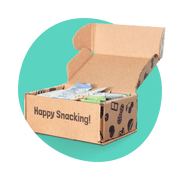 Build A Box
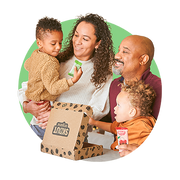 Shop All


TL;DR: You can trust some organic snack bars on Amazon, but you should verify the label the same way you would anywhere else: look for USDA Organic wording plus a named certifier, then read the ingredient list for simple ingredients you recognize. If you want an easy starting point outside the marketplace, the Skout Organic Kids Fruit Bar Variety Pack is a kid-approved option with simple ingredients and clear labeling.
Why Amazon makes organic snack bars feel hard to trust
If you have ever thought, "I want snacks that are actually healthy and organic but taste good," you are not alone. The tricky part is that marketplaces can add extra friction. You might see the same product listed by different sellers, packaging photos that are hard to read, and descriptions that feel like marketing instead of facts.
For parents, the worry is simple: you do not want to spend money on snack bars your kids will reject, and you do not want to guess whether the "organic" claim is real. The good news is you can do a fast label check that clears up most of the uncertainty.
Where to start if you are scanning listings fast
If you only have a minute, do these three checks in order. They work on Amazon listings, brand websites, and in-store packaging.
- Find the exact claim: Look for "USDA Organic" on the package image or in the product description. Do not rely on a title that only says "organic" without the USDA wording.
- Look for the certifier: Certified organic products name an accredited certifying agent on the package. If you cannot find a certifier anywhere in the images or text, pause and verify before you buy.
- Read the ingredient list: Short, simple ingredients you recognize are easier to evaluate. Long lists are not automatically bad, but they raise the work you have to do.
If you want a deeper walkthrough, Skout Organic has a step-by-step guide here: Verify Certified Organic Snack Bars.
What the USDA organic label actually tells you
"USDA Organic" is a federal certification. It signals that the product meets organic farming and processing standards. That matters because it is more than a vibe or a brand promise, it is a regulated claim backed by certification.
Two practical takeaways for shoppers:
- "USDA Organic" is a stronger signal than "made with real ingredients" or "natural": Those phrases can sound good, but they do not work the same way as certification.
- Certification should be visible on packaging: If a listing does not show the full panel clearly, you are missing the information you need to verify it.
If you want help spotting the difference between common label terms, see Organic vs natural snack bars: what the labels actually mean and how to verify real certification.
Amazon-specific checks that catch most sketchy listings
Amazon is not automatically untrustworthy, but it is a mixed shelf. These checks focus on the problems that show up on big marketplaces.
1) Compare the photos to the text
Start with the packaging photos. Do they clearly show the USDA Organic claim and the certifier text? Then compare that to the written listing. If the listing copy makes claims you cannot find on the package, trust the package, not the bullet points.
2) Watch for "organic" used as a vibe word
Some listings use "organic" in a way that feels more like a keyword than a certification claim. If you cannot find "USDA Organic" and a certifier on the packaging, treat the claim as unverified and keep looking.
3) Check for basic consistency across listings
If the same product appears in multiple listings with different photos, different ingredients, or different front-panel claims, that is a signal to slow down. Inconsistency can mean old packaging, sloppy listing edits, or a listing that is not actually for the product you think it is.
4) Do a quick ingredient sanity check
Parents often say, "I hate trusting packaging, I need short ingredient lists I recognize." That is a smart filter online because you cannot hold the box in your hands. Simple ingredients are easier to double-check from a photo, and they reduce the chance you miss something important.
What to look for in the ingredient list if you are shopping for kids
When kids reject a snack, it usually is not because it is "not healthy enough." It is texture, taste, and familiarity. Ingredient lists do not tell you everything about taste, but they can hint at what you are buying.
- Simple ingredients: A short list you can read quickly is easier to trust and easier to explain to your kid.
- Soft-baked texture cues: Product descriptions that call out soft-baked or tender textures often fit younger kids better than dense bars. (Soft Organic Snack Bars Toddlers)
- Clear allergen info: If your family avoids something like dairy, soy, or nuts, do not guess. Only trust what the label states.
Skout Organic builds around this reality: USDA Organic ingredients, simple ingredients, and soft-baked textures that are easy for kids to chew while still tasting like a real snack.
A practical comparison table for how to buy with less regret
This table is not about naming one winner for everyone. It is a way to match your buying channel to your risk tolerance, especially if you have wasted money on snacks your kids would not eat.
| Buying option | What is easy | What is harder | Best for |
|---|---|---|---|
| Amazon marketplace listing | Fast reorder, familiar checkout | Harder to verify labeling if photos are incomplete; listings can be inconsistent | Families who already know the exact product and packaging |
| Brand direct-to-consumer | Clearer product info and ingredient transparency; more control over what you get | You have to choose flavors without the marketplace search tools | Parents who want to reduce label guesswork |
| Variety packs and mix-and-match boxes | Lower friction for trying flavors; less chance you are stuck with a full case nobody eats | You still need to check allergen statements per SKU | Picky kids, multi-kid households, gift buyers |
Skout Organic options that make label-checking easier
If your main worry is, "Will my kids actually eat these?" start with formats made for kids and a mix of flavors. That lowers the odds of buying one big box of a flavor that becomes a lunchbox standoff.
Skout Organic Kids Fruit Bar Variety Pack
Skout Organic Kids Fruit Bar Variety Pack is built for families who want USDA Organic ingredients and simple ingredients without artificial preservatives. The product description also states no gluten, dairy, or soy, and it calls out that all three flavors are nut free, which matters for many school settings.
Skout Organic Kids Bar Variety Pack 36 Pack
If you want a bigger mix for lunchboxes and after-school snacks, Skout Organic Kids Bar Variety Pack - 36 Pack gives you a broader trial set. Variety packs are a straightforward way to test kid-approved flavors and textures before you commit to a single favorite.
How to think about value when organic bars cost more
The honest answer is that organic snack bars often cost more than store brands. The value comes from what you are paying for: USDA Organic ingredients, clearer sourcing standards, and simple recipes that do not need a long list of add-ins to taste like something a kid wants.
If you are trying to keep snack spending under control, two tactics help without lowering your standards:
- Use variety packs first: They reduce wasted boxes that end up in the pantry untouched.
- Use build-your-own box when you find winners: Customizing cuts down on flavors that get ignored and lets you balance kid favorites with grown-up picks.
For more help shortlisting options, see Best Organic Snack Bars.
Common mistakes people make when verifying organic snack bars online
- Trusting the title more than the label photo: Marketplace titles are editable and often optimized for search, not accuracy.
- Skipping the certifier detail: If you do not see a certifying agent listed on packaging, you are missing a core part of verification.
- Assuming "clean" means certified: A clean-sounding description is not the same thing as USDA Organic.
- Buying a large single-flavor box first: For picky kids, variety packs are the simplest way to reduce wasted money.
FAQ
Can you trust organic labels on snack bars from Amazon?
You can trust some organic snack bars on Amazon, but you should verify the claim from the package, not just the listing title. Look for "USDA Organic" plus a named certifier on the packaging images, then read the ingredient list to confirm it matches what the listing says. If the photos do not show the full label clearly, pick a listing that does or buy direct from a brand with transparent labeling.
What should I look for to verify a snack bar is USDA Organic?
To verify a snack bar is USDA Organic, look for the USDA Organic claim on the package and a certifying agent listed on the label. Those two pieces make the claim checkable instead of just marketing. After that, scan the ingredient list for simple ingredients you recognize so you know what you are packing.
Is "natural" the same as organic on snack bar labels?
No, "natural" is not the same as USDA Organic, and it does not mean the product is certified organic. USDA Organic is a federal certification tied to organic farming and processing standards, while "natural" is often a broader marketing term. If you want the most direct verification path, choose products that state USDA Organic on the package.
My child is picky, what is the safest way to try a new organic snack bar?
The safest way to try a new organic snack bar for a picky kid is to start with a variety pack so you can test multiple flavors and textures without committing to one full box. Skout Organic sells kid-focused variety packs like the Skout Organic Kids Fruit Bar Variety Pack, which is made for kids and uses simple ingredients. Once you find the flavors your kid actually eats, a build-your-own box makes it easier to reorder only the winners.
Are Skout Organic kids bars nut free and school-friendly?
Some Skout Organic kids options are nut free, but you should verify it per product because it is SKU-specific. The Skout Organic Kids Fruit Bar Variety Pack description states that all three flavors are nut free, and it also states no gluten, dairy, or soy. For any school rule or allergy need, use the exact product label and allergen statement for the SKU you are buying.
Why do organic snack bars cost more than store brands?
Organic snack bars often cost more because USDA Organic ingredients and certified sourcing standards cost more to produce than conventional ingredients. Skout Organic positions that premium around USDA Organic ingredients and simple recipes with transparent ingredient lists. If you want to reduce wasted spend, start with a variety pack first, then move to a build-your-own box once you know what your family likes.
What is the simplest way to avoid buying a bar my family will not eat?
The simplest way to avoid buying a bar your family will not eat is to choose a variety pack with kid-approved flavors and a soft-baked texture. Skout Organic Kids Snack Bars are designed for kids and kids at heart, which makes them a practical starting point if your household rejects most "healthy" snacks. After you find a favorite, reorder that specific SKU so you are not rolling the dice again.
Your next grocery run, with less label guessing
When you shop on Amazon, treat "USDA Organic" plus a named certifier as your non-negotiable starting line, then use the ingredient list as your common-sense filter. If you want a lower-stress way to trial kid-approved options with simple ingredients, start with the Skout Organic Kids Fruit Bar Variety Pack and keep the winner flavors in your regular rotation.
Disclaimer: This article is for general informational purposes only and does not provide medical advice.