 Kids Snack Bars
 Soft-Baked Cookies
 Protein Bars
 Build A Box
 Shop All




Introduction
Buying “school-safe” snacks sounds simple until you read a few labels. One box says peanut-free, another says gluten-free, and a third has a tiny “may contain” line that makes you pause in the school pick-up lane.
Parents don’t need more marketing. You need a snack your kid will actually eat, made with USDA Organic ingredients, and a label you can trust at a quick glance.
This guide walks you through what “school-safe” really means (and what it doesn’t), how to spot risk on packaging, and how to build a rotation of real whole food snacks that work for peanut-free, gluten-free, and dairy-free needs. We’ll also share a brand-specific angle from Skout Organic: we’ve learned that families don’t just want fewer allergens. They want simple ingredients and a soft-baked texture that’s kid-approved—because a “safe” snack that gets tossed back into the backpack isn’t a solution.
Let’s make school snack time feel easy again.
What “school-safe” actually means (and why labels can still be confusing)
Schools use different rules, and the same snack can be “allowed” in one classroom and “not allowed” in the next. Many schools focus on peanuts and tree nuts, but some classrooms also restrict dairy, eggs, sesame, or gluten.
Here’s the key: “school-safe” is usually about reducing the chance of exposure in a shared space, not guaranteeing a product is allergen-free for every child. That’s why your best strategy is to pair clear allergen controls with smart label reading and a simple plan for packing.
Two terms to know: “free from” vs. “made in a facility with”
A front-of-pack claim like “peanut-free” tells you what’s not in the recipe. The precautionary line (“may contain,” “made in a facility that also processes…”) speaks to possible cross-contact during manufacturing.
That second line often drives parent anxiety, and for good reason. It’s also not regulated the same way across brands, so you need a consistent way to evaluate it.
Where to start: a fast, reliable school-safe snack checklist
If you’re standing in the pantry thinking, “What can I pack tomorrow morning?” start here. This is the same order many experienced parents use because it cuts through noise fast.
- Step 1: Confirm the classroom rules. Ask for the exact list (peanuts only, all nuts, gluten-free, dairy-free, etc.).
- Step 2: Check the ingredient list first. Short lists help you spot red flags quickly.
- Step 3: Read the allergen statement. Look for “contains” and any precautionary “may contain” lines.
- Step 4: Choose simple formats that don’t crumble. Crumbs can spread allergens; soft-baked options help.
- Step 5: Stick to repeat buys. Once a snack works for your family and your school, keep it in your rotation to reduce daily label stress.
Peanut-free, gluten-free, dairy-free: what to pack (with practical examples)
There’s no one perfect snack for every allergy policy, but you can build a strong “yes list” by focusing on a few dependable categories. Below are options that tend to work well in classrooms because they’re tidy, familiar, and easy to portion.
1) Soft-baked bars (tidy, lunchbox-friendly, easy to chew)
Soft-baked bars are a go-to because kids recognize them as a treat, but parents can choose versions made with real whole food ingredients. Texture matters here: crunchy bars can shed crumbs across tables, while soft-baked bars tend to stay contained.
Our Skout Organic community tells us the biggest win is when a bar checks two boxes at once: it feels like a “fun snack,” and it’s made with simple ingredients you can pronounce.
2) Fruit-and-seed combos (simple, satisfying, easy to mix and match)
If the classroom is nut-free, seeds are often the easiest swap for a “trail mix” feel. Think pumpkin seeds or sunflower seeds paired with dried fruit. You still need to check school policies (some classrooms avoid sunflower due to spread products), but many parents find seeds are a practical middle ground.
3) Oat-based bites (watch gluten status carefully)
Oats are naturally gluten-free, but they’re often processed alongside wheat. If you’re packing for a gluten-free classroom, look for a clear gluten-free claim and pay close attention to cross-contact language.
4) Applesauce pouches and fruit cups (simple, low-mess, quick)
These work well when you need something reliably dairy-free and peanut-free. Just keep an eye on added flavors and sweeteners if you’re trying to keep ingredients simple.
5) Savory options (for kids who don’t want “sweet snack”)
Some kids burn out on sweet snacks fast. Savory choices like simple crackers can work, but gluten-free and dairy-free versions vary a lot in ingredient quality and taste, so do a home taste test before committing to a big box.
Clear allergen controls: how to read packaging like a pro
Parents don’t need to become food scientists, but you do need a repeatable method. Use this two-minute scan every time you try a new snack (or when a brand changes packaging).
| Label element | What it tells you | What to do |
|---|---|---|
| Ingredient list | What’s in the recipe | Look for your child’s allergens and for simple, recognizable ingredients. |
| “Contains” statement | Major allergens intentionally used | If it lists your allergen (milk, wheat, etc.), it’s a no for that need. |
| Precautionary statement (“may contain…”, “made in a facility…”) | Possible cross-contact risk | Treat as meaningful for serious allergies; ask the school nurse or your allergist how strict your avoidance needs to be. |
| Certification marks (like USDA Organic) | Standards for organic ingredient sourcing and handling | Use as a trust signal for organic quality, but still verify allergen needs separately. |
| Date/lot codes | Traceability | Keep the wrapper or note the lot if you’re testing a new product with a sensitive kid. |
A contrarian (but helpful) take: “nut-free” doesn’t automatically mean “school-safe”
It’s tempting to treat “nut-free” as the finish line. But many school policies care about how a snack behaves in a classroom, not just the ingredient list.
- Crumbly snacks spread. Granola clusters and brittle cookies can leave crumbs on shared tables.
- Sticky snacks travel. Some bars or candies get tacky and end up on hands, desks, and pencils.
- Strong smells can be a problem. Some classrooms avoid peanut butter partly because the smell can trigger worry and confusion, even when it’s a “peanut-free” look-alike.
That’s why many families prefer soft-baked bars, individually wrapped snacks. They’re easy to portion, less likely to crumble, and simple for teachers to identify.
Ingredient transparency: what “simple ingredients” should look like
When we say simple ingredients, we mean a short list of real foods you can picture. You shouldn’t need a search engine to decode the label while your kid asks, “Can I have it now?”
Here’s a practical benchmark: if you can’t explain the ingredient list to a 10-year-old in one breath, it’s probably not your best everyday option.
Simple swaps that keep snacks kid-approved
- Fruit for sweetness (like dates) instead of a long list of sweeteners
- Seeds instead of nuts when classrooms require nut-free
- Soft-baked texture for easier chewing (especially for younger kids)
Building a school-safe snack rotation (so you’re not scrambling every morning)
A rotation keeps lunch packing easy and reduces picky-eater burnout. Aim for 6–8 reliable snacks total: 3–4 “always yes” options and 3–4 backups for variety.
| Rotation slot | What to include | Why it works |
|---|---|---|
| Always-yes #1 | Soft-baked bar | Low mess, familiar, quick calories for active kids |
| Always-yes #2 | Fruit pouch or fruit cup | Reliable for peanut-free and dairy-free needs |
| Always-yes #3 | Seed + dried fruit combo | Crunch + chew without nuts (check school rules) |
| Backup #1 | Gluten-free crackers (if needed) | Savory option for sweet-sensitive kids |
| Backup #2 | Apples/bananas | Whole-food, no label reading required |
| Backup #3 | Limited-ingredient homemade add-on | Lets you meet very specific classroom or allergy needs |
Cost and value: how to make organic school-safe snacks fit your budget
Organic snacks can feel expensive, especially when you’re also filtering for peanut-free, gluten-free, and dairy-free options. The trick is to stop paying for snacks your kid won’t finish.
Do a simple two-week “keeper test.” Buy singles or small quantities, track what comes back unopened, and only then stock up. Families tell us this one step saves more money than coupon hunting, because it cuts waste.
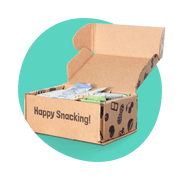
If you’re shopping direct-to-consumer, look for options like a build-your-own box so you can load up on the flavors your kid actually likes. A variety pack also helps you find favorites quickly without committing to one big box.
Pack like a teacher will thank you: small classroom habits that matter
Even the right snack can cause headaches if it’s messy or hard to manage. These tiny habits make a big difference in shared spaces.
- Keep snacks in their original wrapper when possible so ingredient and allergen info is available.
- Choose low-crumb options (soft-baked bars, fruit pouches) for nut-free rooms.
- Send wipes if your child is young or tends to share supplies.
- Skip “look-alike” spreads that resemble peanut butter, even if they’re seed-based, unless the teacher says it’s okay.
FAQ
What are the best school-safe organic snacks that are peanut-free, gluten-free, and dairy-free?
This matters because schools often restrict peanuts and some classrooms also limit gluten or dairy, so parents need options that work across multiple rules. The best school-safe organic snacks are individually portioned foods with a clear allergen statement and minimal cross-contact risk, such as soft-baked bars made without peanuts, wheat, or milk, plus simple fruit pouches or whole fruit. For any packaged snack, confirm the ingredient list and the precautionary “may contain” line before you pack it. (For more ideas, see gluten-free, dairy-free snacks.)
Does “peanut-free” mean a snack is safe for a nut-free classroom?
This question matters because many classrooms restrict both peanuts and tree nuts, and labels don’t always match school wording. “Peanut-free” only means peanuts are not an ingredient, so it does not automatically mean the snack is appropriate for a nut-free classroom that also avoids tree nuts or cross-contact. Always check for tree nuts in the ingredient list and look for any “may contain” statement that mentions peanuts or tree nuts, then match that to your school’s policy.
How can I tell if an organic snack has clear allergen controls?
This matters because the biggest risk often comes from confusion, not from the front-of-pack marketing. A snack has clear allergen controls when it lists allergens plainly in both the ingredient list and a “contains” statement, and it also includes an easy-to-find precautionary statement about shared equipment or facilities. As a practical step, do a two-minute scan: ingredients first, then “contains,” then “may contain,” and keep the wrapper for traceability if your child is sensitive.
Are gluten-free snacks always safe for kids with wheat allergies at school?
This matters because “gluten-free” is about gluten proteins, while wheat allergy avoidance is about the wheat ingredient itself and potential cross-contact. Gluten-free snacks are not automatically safe for wheat allergies unless the ingredient list clearly excludes wheat and the packaging does not indicate wheat cross-contact risk. If wheat is a serious concern, look for a product that is labeled gluten-free and also does not list wheat in ingredients or precautionary statements.
What’s the easiest way to try new school-safe snacks without wasting money?
This matters because organic, allergen-aware snacks cost more, and kids can reject new flavors fast. The easiest way to try new school-safe snacks without waste is to start with small quantities or a variety pack, track which items come home unopened for two weeks, and then stock up only on the keepers. If you buy direct-to-consumer, a build-your-own box can also reduce waste by letting you choose the flavors your kid already likes.
Conclusion: make “school-safe” simple, not stressful
You don’t need a pantry full of options. You need a small set of snacks that match your school’s rules, meet your family’s allergy needs, and still taste good enough to be kid-approved.
Next steps: confirm your classroom policy, pick 3 “always yes” snacks (start with low-mess, soft-baked or fruit-based options), and run a two-week keeper test before you buy in bulk. When you focus on USDA Organic ingredients, simple ingredients, and clear allergen statements, lunch packing gets easier—and everyone wins. (If you want more allergen-aware inspiration, explore gluten-free, dairy-free, sugar-free recipes.)