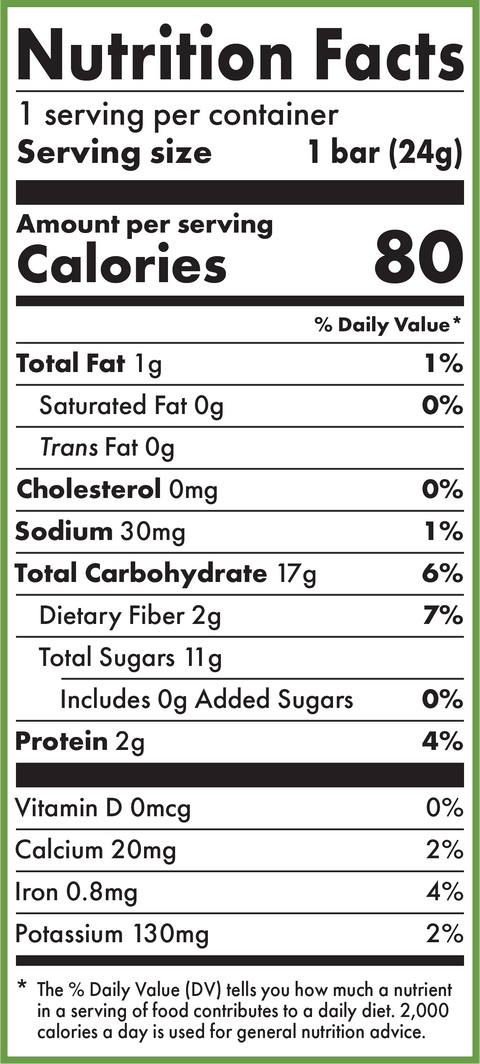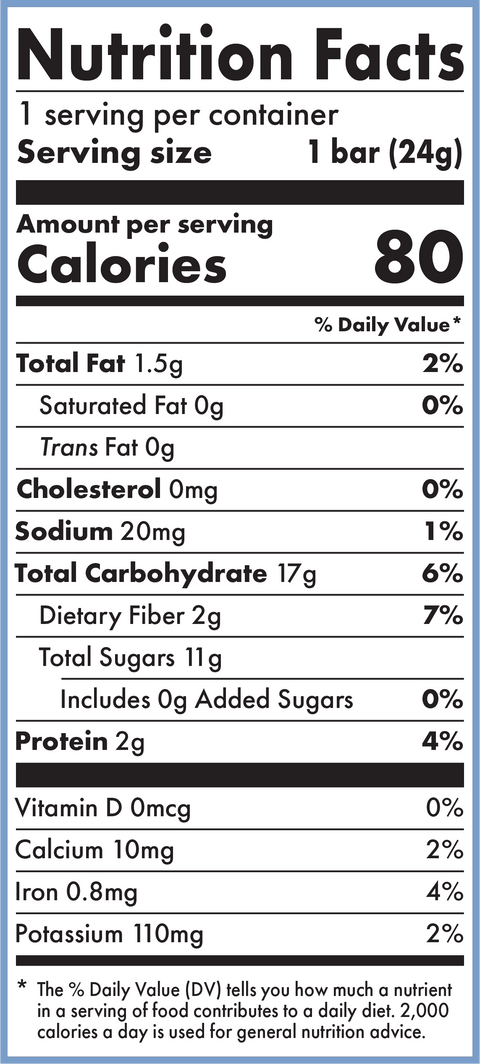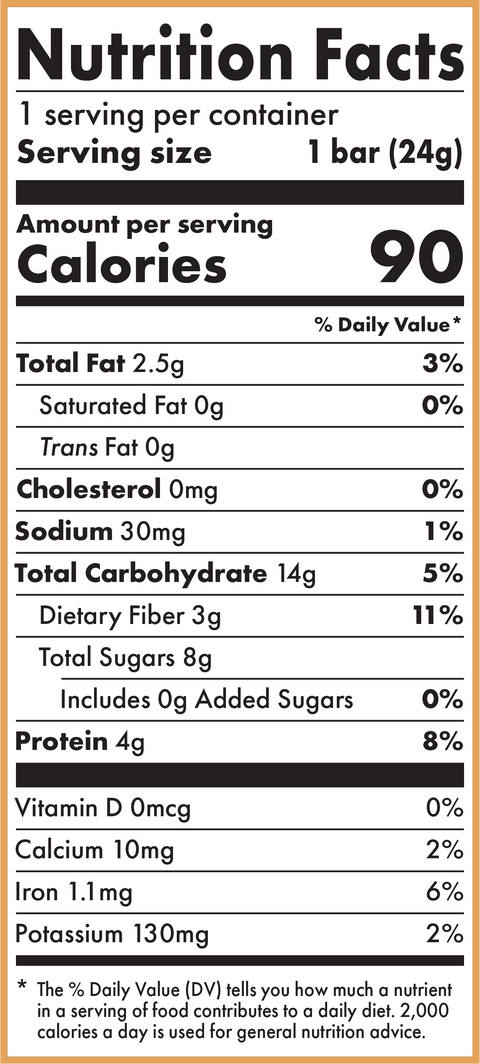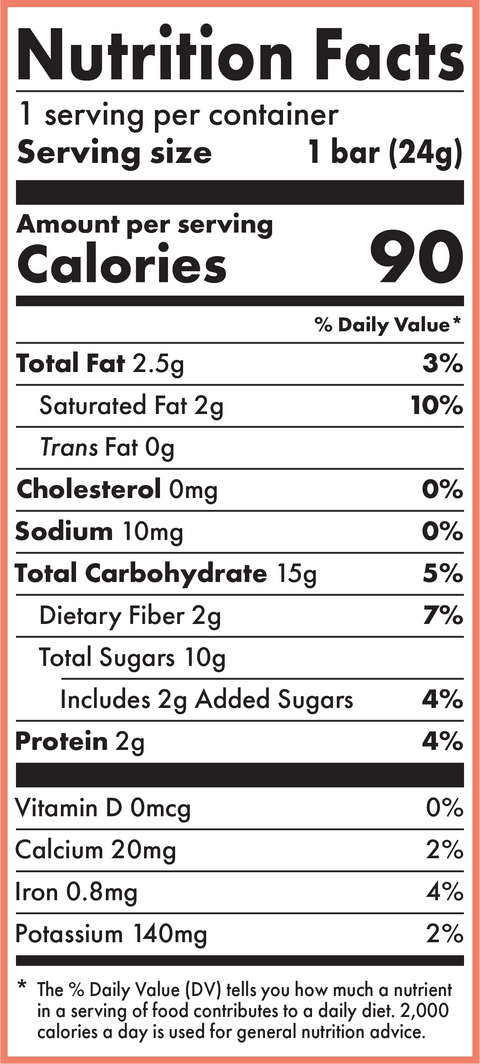
 Kids Snack Bars
 Soft-Baked Cookies
 Protein Bars
 Build A Box
 Shop All




🛑 Texas Makes History: New Warning Labels on Foods Containing Additives
Texas has become the first U.S. state to mandate warning labels on food products containing certain artificial additives and dyes. Governor Greg Abbott signed Senate Bill 25—dubbed the “Make Texas Healthy Again” bill—on June 22, 2025. Let’s dive into what this means, why it matters, and whether it signals a shift in national food policy.
What the Law Requires
- Warning label on foods with 44 additives (starting Jan 1, 2027): Any products containing regulated dyes or additives (e.g., Red 40, Yellow 5/6, titanium dioxide, partially hydrogenated oils) must display:
“WARNING: This product contains an ingredient that is not recommended for human consumption by the appropriate authority in Australia, Canada, the European Union, or the United Kingdom.”
- Label specifications: must use the same font size as other FDA-required text, be prominently placed, and appear on both the product package and corresponding online listings.
- Exemptions include dietary supplements, restaurant foods, FDA/USDA-regulated products, and pet foods.
- The law is triggered only when a label is created or updated post-2027
What It Means for Food Companies
1. Relabel, reformulate, or retreat
- Companies must either add warning labels, reformulate products, or stop selling certain items in Texas to comply. Many national brands are already weighing their options.
2. Cost and legal headaches
- The requirement to update packaging and web content may drive up costs significantly. Critics warn of consumer confusion, legal exposure, and production disruptions.
3. Health advocates see promise
- Supporters argue the law encourages public awareness and can prompt reformulation, positioning healthier products as winners.
4. Possible court challenges
- Industry groups are already threatening litigation, disputing the accuracy of some listed additives and the law’s reliance on foreign standards.
A Growing Movement
Texas is not alone:
- California has already banned certain additives (e.g., brominated vegetable oil, potassium bromate) and restricted dyes in schools.
- West Virginia and Louisiana are taking similar actions—WV is banning additives in school meals starting 2028, while Louisiana is considering broad ingredient disclosure laws.
This wave follows the "Make America Healthy Again" initiative by HHS Secretary Robert F. Kennedy Jr.
National Impact Ahead
- Uniformity pressure: With Texas being a major food market, many manufacturers may relabel nationwide rather than create state-specific packaging.
- Regulatory ripple effect: State laws like these could push the FDA/USDA to consider federal-level warning labels or bans.
- Consumer awareness shift: Whether or not some additives are actually banned abroad, the bold warnings will elevate consumer scrutiny, potentially disrupting how food is marketed and consumed
Key Takeaways
- Texas SB 25 requires food labels featuring 44 ingredients to carry a foreign-consumption warning starting 2027.
- Brands can respond by reformulating, relabeling, or exiting the Texas market.
- The move is part of a broader state-level trend targeting food transparency and additive reduction.
- Texas’s decision could influence national policy, accelerate industry reform, and reshape consumer expectations.
What’s Next?
- Manufacturers will reassess ingredient lists and packaging drifts.
- Industry groups may move to challenge the law in court.
- Other states are expected to file similar legislation—keep an eye on regulatory developments.
- Federal agencies may face pressure to adopt uniform additive labeling standards.
At Skout Organic, we’re proud to call Texas home—and even prouder to stand behind this new law. We’ve always believed that parents deserve transparency and trust when it comes to what they’re feeding their families. That’s why every Skout product is made with just a few simple, organic ingredients you can recognize and pronounce—no artificial dyes, preservatives, or questionable additives ever. As the national conversation around food labeling evolves, we’re grateful to already be on the right side of it. Clean snacks aren’t a trend for us—they’re our standard.
-
 Rated 4.7 out of 5 stars1,975 Reviews
Kids Snack Bars
Skout Organic Small Batch Kids Bar Variety Pack - 36 Pack
Sale price $42.99
See ingredients list -
 Rated 4.6 out of 5 stars641 Reviews
Soft Baked Cookies
Skout Organic Soft Baked Cookie Variety Pack
Sale price $21.99 /3 Boxes
See ingredients list -
 Rated 4.8 out of 5 stars921 Reviews
Snack Bundle
Skout Organic Soft Baked Cookie and Kids Bar Bundle
Sale price $64.99 /36 Kids Bars + 3 Boxes of Cookies
See ingredients list