 Kids Snack Bars
 Soft-Baked Cookies
 Protein Bars
 Build A Box
 Shop All





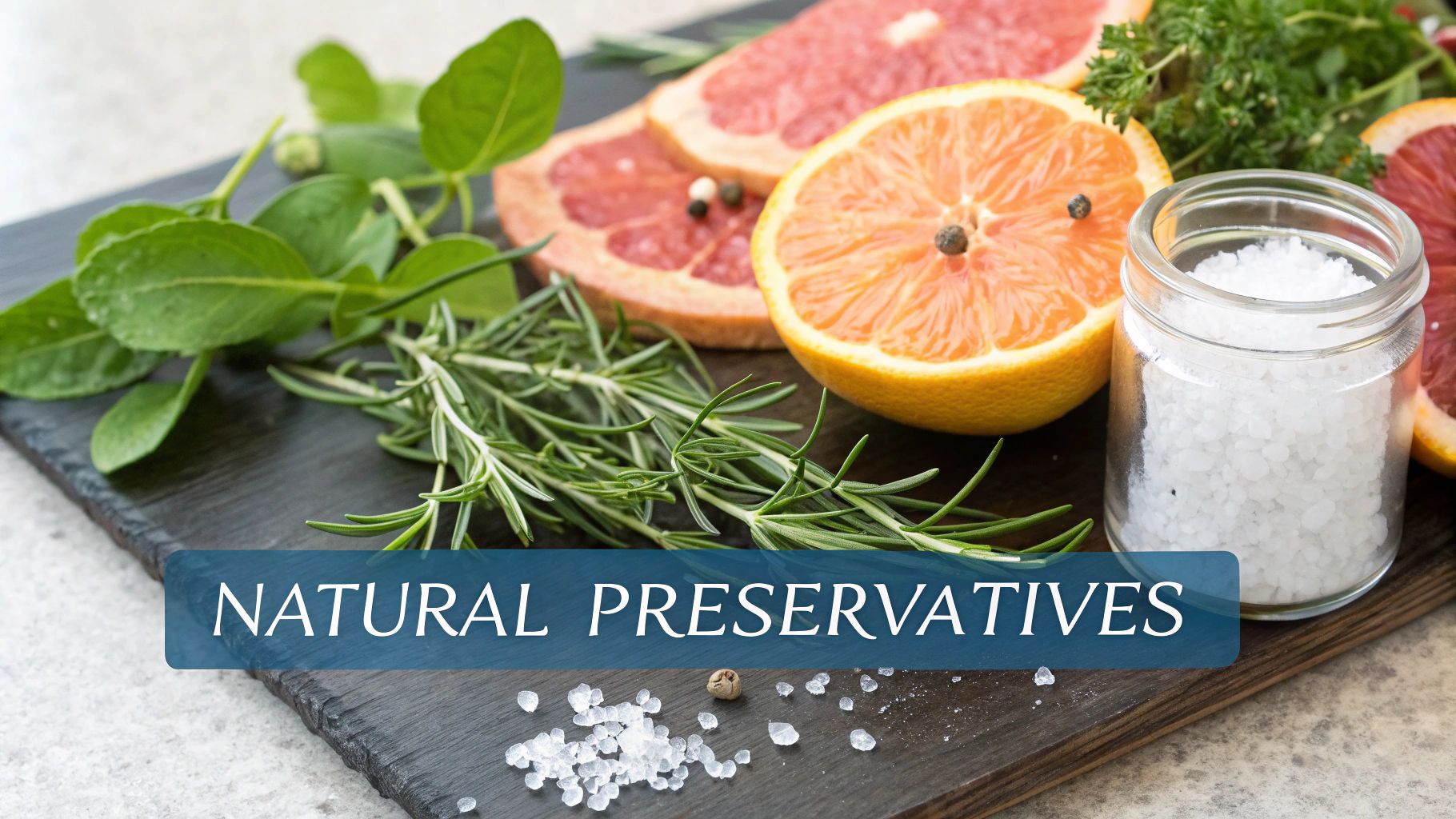
Ever wonder how that snack bar in your kid's lunchbox stays so fresh, even after being squished next to an apple all morning? It’s not magic—it's the quiet work of preservatives. Think of them as tiny bodyguards for food, keeping everything tasty and safe to eat.
And when we talk about natural preservatives, we’re talking about the good guys—ingredients sourced straight from nature. Their one job? To fight off spoilage and keep those snacks just as delicious as the day they were made. Let's find out how they do it!
The Secret Guardians in Your Kid's Lunchbox
Let's be real—life as a parent is a whirlwind. You're juggling lunch packing, navigating grocery aisles, and trying to decipher ingredient labels that feel like they're written in another language. When you grab a pack of kids snack bars or cookies, you just want something convenient, wholesome, and, most importantly, something they'll actually eat. Worrying about mysterious chemicals is the last thing you need.
This is where the conversation about preservatives gets a lot more interesting. The word itself can sound a bit industrial, maybe even a little scary, conjuring images of synthetic additives with names you can't pronounce. But what if the best food guardians were already in your kitchen?
Nature's Smartest Tricks
Ever squeezed lemon juice on a freshly sliced apple to stop it from turning brown before snack time? Congrats, you’ve just used citric acid—a natural preservative! Or think about how salt has been used for centuries to cure meats and fish. These are nature's own tricks for extending freshness, and they're the same principles behind the natural preservatives in your kiddo's favorite treats.
Instead of lab-created chemicals, these ingredients come from sources you actually recognize:
- Plant Extracts: Things like rosemary or clove oil are powerful antioxidants.
- Fermented Ingredients: Cultured sugars can create compounds that tell mold to take a hike.
- Familiar Minerals: Good old-fashioned salt is a classic for a reason.
The goal isn’t to ditch preservatives altogether—they play a huge role in keeping food safe. The real mission is to choose snacks made with preservatives you can feel good about. It's about turning a complex topic into a simple, confident choice for your family. Go you!
Why This All Matters at Snack Time
As our lives get busier, we're all reaching for more convenient, packaged foods like snack bars and cookies. This has created a huge need for products with a longer shelf life, which has made the entire preservatives market boom.
In fact, the global market for preservatives was valued at USD 5.43 billion in 2020 and is only expected to grow. A huge part of that growth is being driven by parents just like you, who are looking for "clean label" products with ingredients they know and trust.
Choosing snacks with natural preservatives is a simple way to bring more transparency into your pantry. It's about feeling empowered and understanding what’s really going into your family’s food. For more ideas on stocking your kitchen with goodness, check out our guide on what are the healthiest snacks for kids. You'll find that making smart choices can be both easy and delicious.
Meet the All-Stars of Natural Preservation
Walking down the snack aisle, trying to choose the best kids snack bars or cookies, can feel like a pop quiz you didn’t study for. The ingredient list is full of unfamiliar names. But once you know who the key players are in natural preservation, it’s like having a cheat sheet.
Think of these ingredients as nature’s all-star team, each with a special skill for keeping food fresh, safe, and delicious. Let’s meet the starting lineup. These are the good guys you’ll spot on high-quality organic snack labels, working behind the scenes in every bite of that cookie or bar.
This handy visual shows some of these preservation heroes in their original, natural forms.
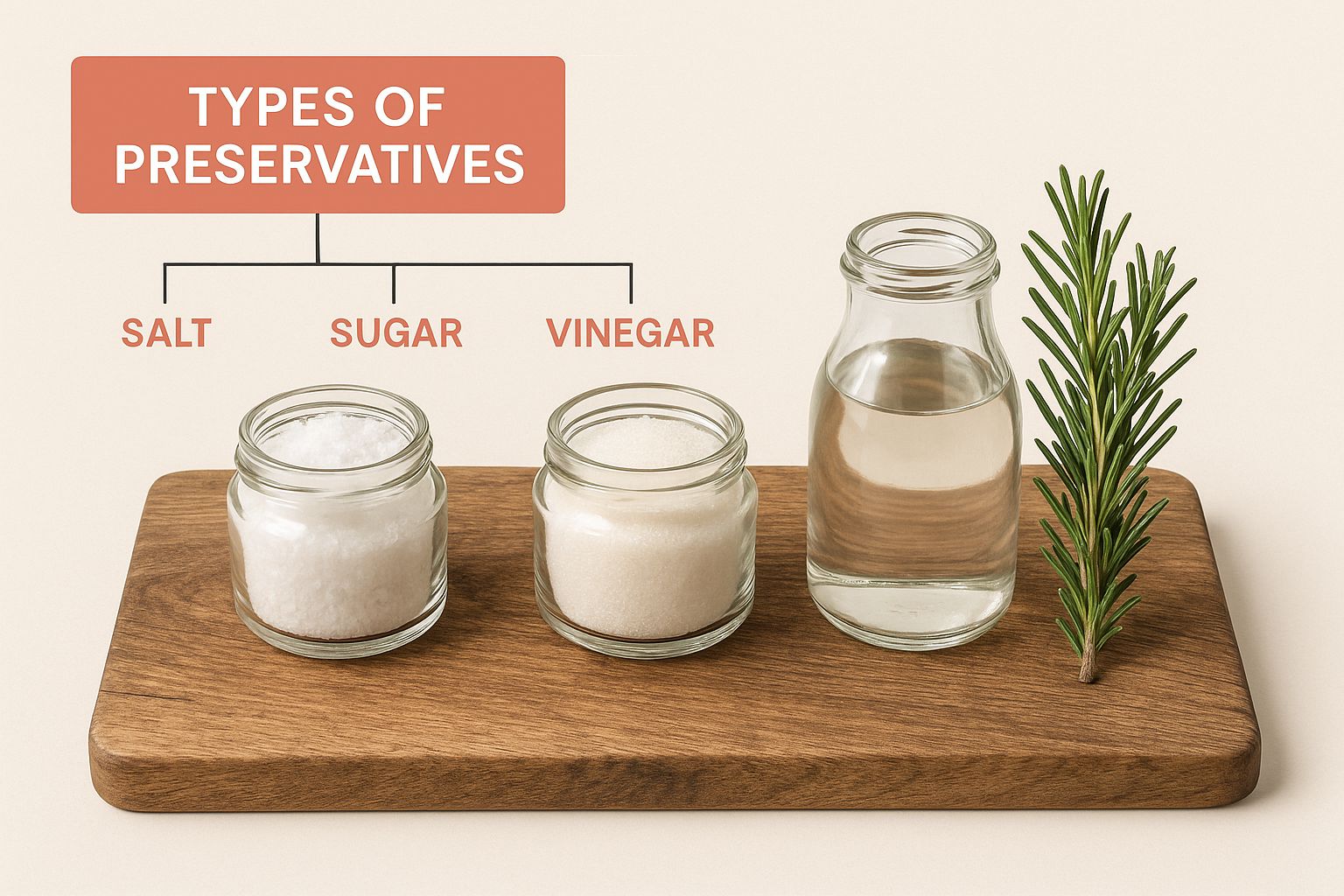
It’s a great way to connect the ingredient you see on a package back to its simple, wholesome source. So next time your little one is munching away, you'll know exactly what's keeping their snack so yummy.
The Plant-Based Heroes
First up, we have the heavy hitters derived directly from plants. These aren't just for adding a little flavor; they’re packed with powerful compounds that are experts at fighting off spoilage.
-
Rosemary Extract: This is the ultimate antioxidant shield. Picture it creating an invisible barrier around the healthy fats and oils in a snack bar, protecting them from going rancid. It’s the reason you’ll often see it listed as "rosemary extract (to preserve freshness)."
-
Clove Oil: Known for its strong antimicrobial properties, clove oil is like a tiny bouncer, stopping unwanted bacteria and mold from crashing the party. It works especially well in baked goods and cookies.
These plant-based guardians do their job quietly, maintaining the taste and integrity of the snack without any synthetic chemicals. They’re a perfect example of how the answer to what are natural preservatives can often be found growing right in a garden.
The Microbial Defenders
Next, let's talk about the preservatives that come from the fascinating world of fermentation. This might sound super scientific, but it’s a process as old as making sourdough bread or yogurt.
By using beneficial bacteria, we can create natural compounds that act as powerful preservatives. It’s nature’s clever way of policing itself, and it works wonders in kids' snacks to keep them safe.
For instance, nisin and cultured dextrose are two common ingredients born from this process. They are fantastic at preventing yeast and mold from growing in soft-baked cookies or fruit-filled bars, ensuring the last bite is just as good as the first. When you see "cultured dextrose" on a label, give yourself a high-five—you’ve found a naturally derived ingredient doing its job.
The Classic Minerals
Finally, we have the original, time-tested preservatives that have been in our kitchens for centuries. These are the tried-and-true classics that work in a simple, yet incredibly effective, way.
Salt is the most famous of this group. Think of it as the ultimate moisture-zapper. Bacteria and mold need water to thrive, and salt is brilliant at drawing that moisture out. This creates an environment where spoilage just can’t happen.
This simple mineral is a cornerstone of natural food preservation, proving that sometimes the simplest solutions are the best. Now you're ready to be a food-label detective, confidently spotting these all-stars in your kids' favorite snacks.
To make it even easier, here’s a quick guide to some of the most common natural preservatives and what they do best.
Common Natural Preservatives and Their Superpowers
| Preservative | Source | How It Works (Its Superpower) |
|---|---|---|
| Rosemary Extract | Rosemary plant | A powerful antioxidant that stops fats and oils from going rancid. |
| Clove Oil | Clove buds | An antimicrobial agent that prevents the growth of bacteria and mold. |
| Cultured Dextrose | Fermented corn sugar | Creates an environment that is hostile to yeast and mold. |
| Salt | Mined from the earth | Dehydrates food by drawing out water, making it hard for microbes to survive. |
| Vitamin C (Ascorbic Acid) | Citrus fruits | An antioxidant that prevents discoloration and spoilage from oxygen. |
| Vinegar (Acetic Acid) | Fermented grains or fruits | Lowers the pH, creating an acidic environment that inhibits microbial growth. |
With this cheat sheet, you’ll be able to spot nature’s protectors on any ingredient list and feel great about the snacks you choose.
Why More Parents Demand Clean Label Snacks
Let’s be honest—deciphering the ingredient list on most kids' snack bars can feel like a real chore. You’re scanning for something healthy and see a bunch of long, chemical-sounding names. What even is Butylated Hydroxytoluene?
This exact question is the driving force behind the powerful clean label movement. It’s not some fleeting trend; it’s a collective voice of parents everywhere saying, "We want simple, recognizable ingredients for our kids." It’s a full-on shift away from the confusing, overly processed snacks that used to be the only option on grocery store shelves.
The Shift Toward Simple and Transparent Ingredients
At its heart, the demand for clean labels is all about transparency. Parents want to know what’s fueling their kids’ adventures, and they’re searching for wholesome ingredients they can actually trust. This isn’t about rejecting food science altogether—it's about embracing a more natural, straightforward approach to keeping food fresh and safe.
This is where natural preservatives fit in so perfectly. When you see "rosemary extract" or "citric acid" on a label, it feels familiar. It’s not intimidating. These are ingredients pulled straight from nature, offering the peace of mind that you're making a good choice for your family's health.
The clean label movement is fundamentally about empowerment. It's giving parents the confidence to pick up a snack bar and know, without a doubt, that it’s made with simple, wholesome goodness.
Market Growth Reflects What Parents Want
This isn’t just a feeling; it’s a movement that’s completely reshaping the food industry. The demand for natural preservatives is skyrocketing, largely driven by parents who are more informed and selective than ever before.
In fact, by 2025, the clean label preservatives segment is expected to make up about 28.7% of the entire food preservatives market. That’s a huge consumer push for ingredients that come from herbs, plants, and fermentation. You can read more about the rise of clean label preservatives on futuremarketinsights.com.
This trend goes hand-in-hand with the rise of organic foods. When a product is certified organic, it almost always comes with a cleaner, more transparent ingredient list. Learning more about why organic certifications matter can give you even more clarity when you're at the grocery store.
At the end of the day, every parent wants to give their kids snacks that are not only delicious but also align with a healthy, natural lifestyle.
How to Read Snack Labels Like a Pro
Okay, so you know what natural preservatives are. That's the first step. But the real test is spotting them in the wild—on the back of a brightly colored package of cookies or snack bars.
It can feel like you need a magnifying glass and a chemistry degree, but it’s easier than you think. Let’s turn that overwhelming grocery aisle into a power walk. It’s all about knowing what to look for and, just as important, what to leave on the shelf.
Spotting the Good Guys on the Ingredient List
Natural preservatives are usually hiding in plain sight. Brands using them are typically proud of their clean ingredients, so they’ll often give you a little hint. You’ll see things like:
- Rosemary Extract (to preserve freshness): This is a classic. That little parenthetical is your friendly confirmation that this plant-based hero is on freshness duty.
- Cultured Dextrose: Remember this one? It's our microbial defender, created through natural fermentation to keep mold and other nasties away.
- Citric Acid: Pulled straight from citrus fruits, this is another common guardian you’ll find protecting snacks from spoilage.
When you see these on a label, it’s a great sign. It means the brand is making a conscious effort to keep its ingredient panel clean. As a rule of thumb, shorter ingredient lists filled with words you can actually pronounce are almost always the way to go. Give it a try next time you're shopping!
For a deeper dive into decoding every part of the package, check out our full guide on how to read food labels.
The "Look for This, Not That" Framework
To make things even simpler, think of it as a quick cheat sheet. When you're scanning the back of that snack bar, keep this framework in mind. It’s an easy way to compare ingredients and make a quick, informed decision without feeling overwhelmed.
| Look for This (The Good Guys) | Not That (Common Artificial Preservatives) |
|---|---|
| Rosemary Extract, Clove Oil | BHA (Butylated Hydroxyanisole), BHT (Butylated Hydroxytoluene) |
| Cultured Dextrose, Nisin | Sodium Benzoate, Potassium Sorbate |
| Vitamin C (Ascorbic Acid), Citric Acid | TBHQ (Tertiary Butylhydroquinone) |
| Vinegar, Salt | Sodium Nitrite, Sodium Nitrate |
This isn’t about memorizing every chemical compound. It’s just about recognizing patterns. If you see a long, scientific-sounding name with words like "benzoate" or "butylated," it's a good signal to pause and maybe look for a cleaner alternative.
The ultimate goal is to feel empowered, not stressed. Every small, informed choice you make helps build a healthier pantry for your family, one snack at a time.
Beyond just preservatives, getting comfortable with reading the entire label is key. For more practical tips on identifying everything from hidden sugars to misleading claims, you can find helpful insights in guides on specific snack types, like how to find the best protein bars by reading labels.
When you arm yourself with this knowledge, you're not just buying snacks—you're investing in your family’s well-being.
The Honest Truth About Natural Preservatives
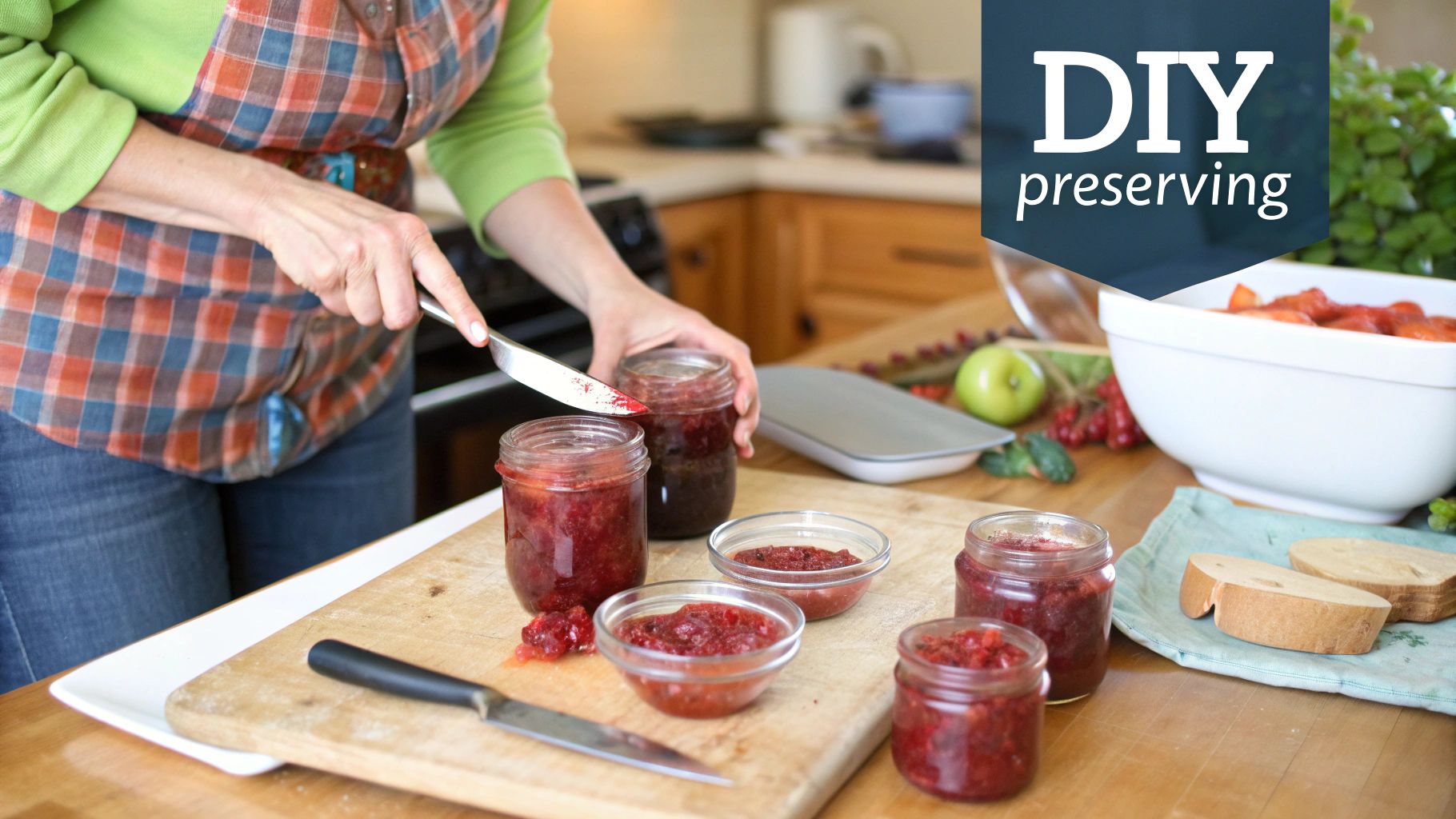
Choosing snacks with natural preservatives is a brilliant move for your kids. But let's get real for a minute—switching from synthetic to natural isn't always a clean, one-for-one swap. It comes with its own quirks, and it’s worth knowing what they are.
Think of it like swapping white sugar for honey in a recipe. The result is way more wholesome, but you have to adjust things a bit. Honey adds moisture and its own distinct flavor. Natural preservatives are a lot like that—they’re fantastic, but they have their own personalities.
The Flavor and Potency Puzzle
First up, let's talk flavor. While most natural preservatives are totally tasteless, some plant-based heroes, like rosemary extract, can bring a subtle, earthy note to the party. It’s usually unnoticeable in a hearty snack bar, but it’s something food makers have to balance perfectly.
Then there's potency. Natural preservatives are incredibly effective, but they're often gentler than their synthetic cousins. This might mean a slightly shorter shelf life for that organic snack bar. While a synthetic preservative can keep a cookie feeling "fresh" for months, a natural option focuses on keeping it fresh for a more realistic—and healthier—timeframe.
Ultimately, natural preservatives do the most important job: they fight off spoilage and nasty pathogens, helping you avoid the risks and consequences of eating mold.
The honest takeaway: A shorter shelf life isn't a bad thing. It’s usually a sign you’re eating real food made with ingredients that behave like real food. They don't last forever, and that’s a good thing!
The Bigger Picture: Price and Supply
Ever wonder why that "better-for-you" snack sometimes costs a little more? The journey of natural ingredients from farm to snack bar is often more complex. The market for natural preservatives can be thrown off by anything from new tariffs to a hiccup in the global supply chain.
These are real challenges for brands committed to using only the best stuff. The good news? Your demand for healthier, cleaner options is pushing the market to become more stable and resilient.
So, when you choose a snack with natural preservatives, you’re not just grabbing a treat for your kids. You're casting a vote for a food system that values quality over convenience. It's a choice that says you want simple, honest ingredients for your family, even when it’s the harder path to take.
Your Questions About Natural Preservatives Answered
You've got questions, and we've got answers. When it comes to what's in your kids' snacks, it's totally normal to be curious about every single ingredient on the label.
So, let's dive into some of the most common questions parents have about natural preservatives. Our goal is to help you feel completely confident in the snacks you choose for your family.
Are Natural Preservatives Actually Safe for Kids?
Absolutely. This is always the first question, and the answer is a big, confident yes. Natural preservatives like rosemary extract, vitamin C (also known as ascorbic acid), and cultured dextrose come from sources you already know and trust—plants, fruits, and simple fermentation.
Think about it like this: you probably squeeze a bit of lemon juice over a sliced apple to keep it from browning. That's a natural preservative in action! The ingredients used in clean-label kids' snacks operate on that same simple, nature-first principle, making them a gentle and safe choice.
The best part about natural preservatives is their origin. They come from real food, which means our bodies know exactly what to do with them. That makes them a worry-free choice for even the smallest snackers.
Do They Work as Well as Artificial Preservatives?
They sure do. Natural preservatives are fantastic at their job, which is keeping food fresh by stopping mold, yeast, and bacteria from growing. They just work a little differently than their synthetic cousins.
An artificial preservative might keep a product "fresh" for an unusually long time, but natural options maintain freshness for a more realistic window. This might mean a slightly shorter "best by" date on your go-to kids snack bars, but that’s actually a great sign! It tells you that you're eating real food made with ingredients that behave like, well, real food.
Will They Change the Taste of My Kids' Snacks?
Nope, not one bit. Food scientists are pros at using the perfect amount of a natural preservative to do its job without changing the delicious flavor of the snack itself.
In most cases, ingredients like citric acid are completely undetectable. Even when a more potent extract like rosemary is used, the amount is so tiny that it's practically impossible to taste. Brands that focus on organic kids' snacks have mastered their recipes so that the yummy fruit and oat flavors are all that come through. Your little one won't notice a thing.
We get it—when it comes to your kids, only the best will do. That's why we've put together some quick answers to a few more questions we hear all the time.
Frequently Asked Questions
| Question | Answer |
|---|---|
| Why do organic snacks even need preservatives? | Even organic ingredients can spoil! Preservatives, whether from a lemon or from rosemary extract, are simply there to keep food safe and fresh from our kitchen to yours. It’s all about maintaining quality naturally. |
| Are "no preservatives" snacks a better option? | Not always. A snack with "no preservatives" might have an extremely short shelf life or could be made using other processing methods (like high heat) to stay fresh, which can sometimes affect its nutritional value. |
| How can I spot natural preservatives on a label? | Look for names you recognize from nature! Things like rosemary extract, ascorbic acid (vitamin C), citric acid (from citrus fruits), and tocopherols (vitamin E) are all common natural preservatives. |
Hopefully, this helps clear things up and gives you even more peace of mind at snack time.
Ready to stock your pantry with snacks that are as honest as they are delicious? At Skout Organic, we believe in clean labels and happy, healthy snacking. Explore our organic, plant-based kids snack bars, cookies, and more, all made with ingredients you can see and trust.