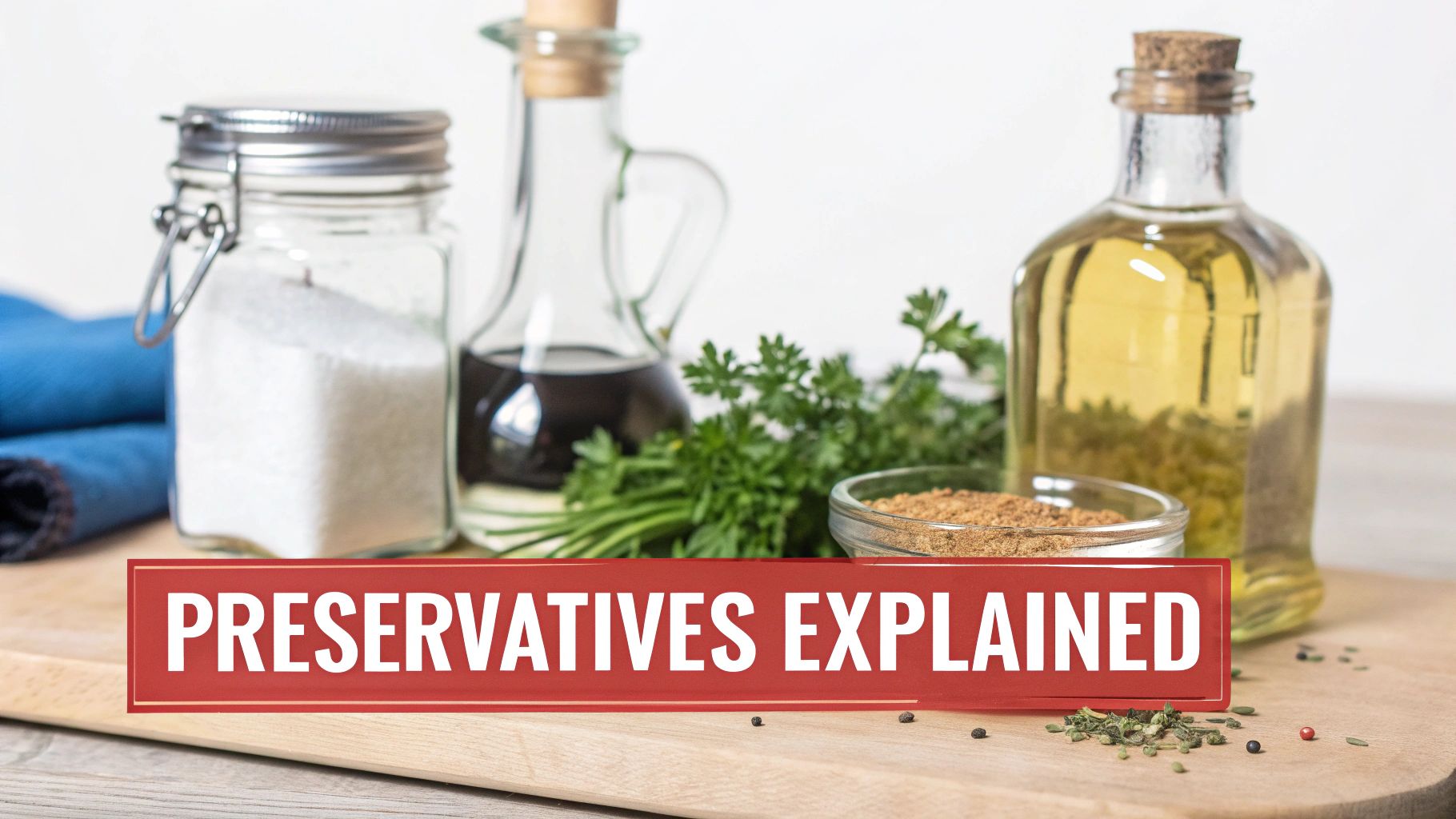

Ever stood in the snack aisle, stared at a food label, and felt like you needed a science degree just to figure out what's inside? You're not alone. Welcome to the world of no preservatives food—it's simply food made without weird, artificial stuff designed to make it last forever on a shelf. It’s all about getting back to basics with fresh, real ingredients you can actually recognize.
Think of this guide as your trusty roadmap to cutting through the confusing jargon and confidently choosing clean, delicious food your whole family will love.
Welcome to the World of Preservative-Free Eating
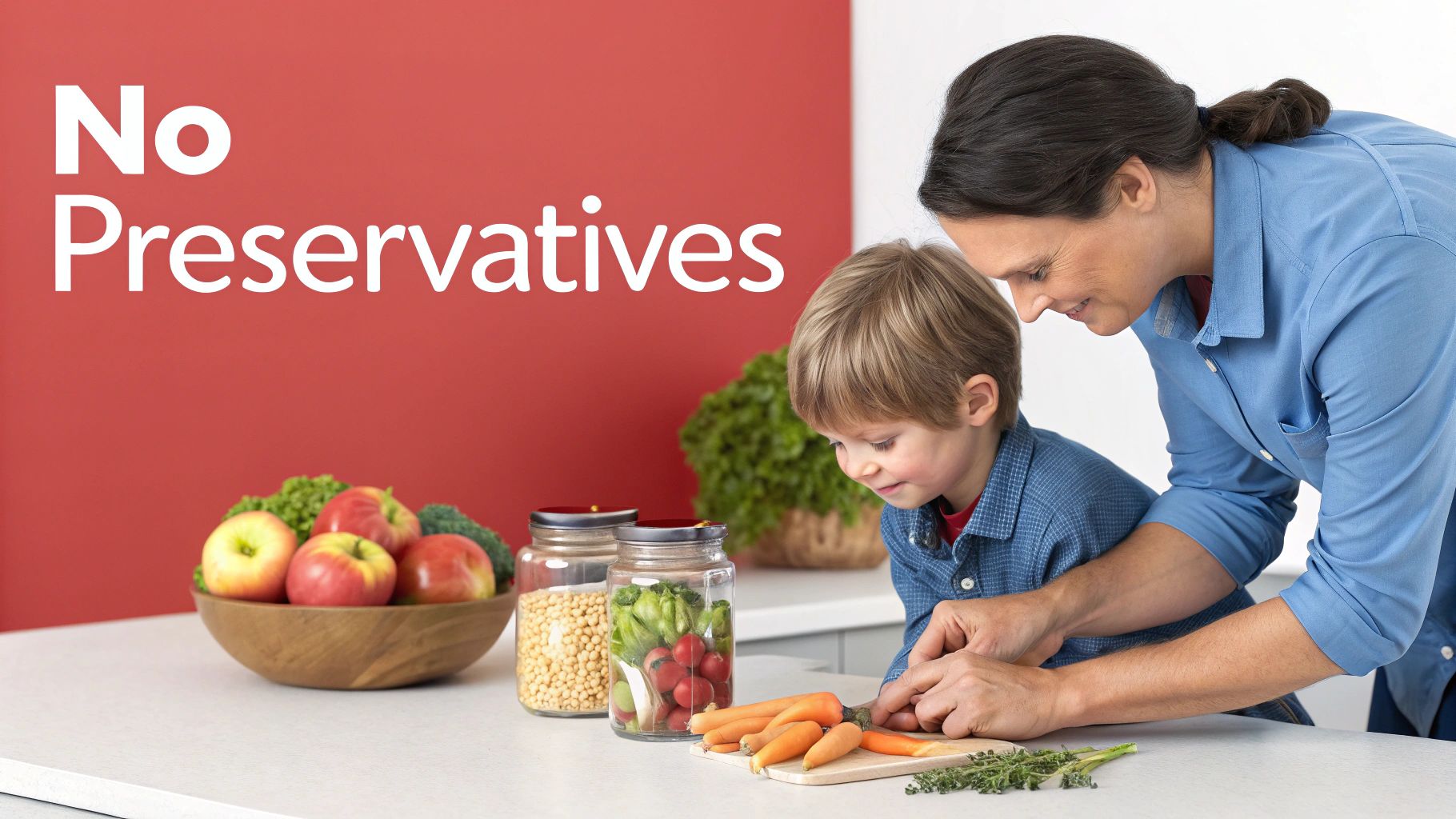
Picture a kitchen filled with the bright colors and awesome flavors of food that’s just real. That’s the heart of eating preservative-free. It’s not about being super strict; it’s about leveling up your family’s snacks and meals to be more nourishing and way more delicious.
It's a simple shift that puts you in the driver's seat, so you know exactly what's going into your family's bodies.
Snacking Without the Sneaky Stuff
Let's be real: kids and snacks go together like superheroes and capes. The tricky part is finding options that are both easy and good for them. This is where a preservative-free mindset is your superpower, especially in that snack aisle where all kinds of sneaky ingredients like to hang out.
Think about the classic kids' snack bars and cookies from when we were little. For ages, many big brands packed them with a long list of chemical additives to keep them soft and shelf-stable for months. But guess what? Times are changing!
Parents like you are asking for cleaner options, and brands are finally catching on. Now, it’s easier than ever to find yummy snacks that get their goodness from simple, organic ingredients.
Choosing preservative-free isn’t just about dodging weird chemicals; it's about embracing foods that are closer to how they grew. It’s a simple choice that supports your family's wellness, one delicious snack at a time.
This guide is your new grocery store sidekick. We’ll show you how to decode labels on everything from crackers to snack bars, helping you build a pantry that makes you feel awesome about what your kids are munching on.
It's all about making smart choices, not perfect ones. We’ll give you the tools to spot genuinely healthy snacks and build happy eating habits that will benefit your kids for life. Ready to make snack time a joyful, healthy adventure? Let's go!
What Are Food Preservatives Anyway?

Okay, let's pull back the curtain on this word we see everywhere. At its core, a food preservative is just something added to food to help it last longer. Think of it as a "pause button" that stops snacks, like your kid’s favorite fruit bars, from spoiling on their trip from the factory to your pantry.
This "pause" is super important for stopping pesky things like bacteria and mold from having a party in your food. Without it, lots of foods would go bad way faster, which is both wasteful and unsafe. So, while "preservative" can sound like a scary science term, its main job is to keep our food safe and edible.
But here’s the secret: not all preservatives are created equal. They fall into two main groups, and knowing the difference is your first step to becoming a label-reading superstar.
The Two Sides of Preservation
The world of preservatives is split between the old-school, natural methods our great-grandparents would recognize and the more modern, lab-created ones. Understanding this distinction makes it so much easier to spot truly clean snacks.
1. Natural Preservatives
These are the tried-and-true ingredients humans have used for centuries to keep food fresh. You probably have most of them in your kitchen right now.
- Salt: The original preservative! It's great for curing meats and pickling veggies because it draws out water, making it hard for germs to grow.
- Sugar: Just like salt, sugar locks up water. It’s the reason your grandma's jam can last so long.
- Vinegar (Acetic Acid): Its high acidity creates an environment where most bacteria just can't hang out.
- Citric Acid: Found in lemons and limes, it’s a natural antioxidant that stops fruits from turning brown.
These simple ingredients work with nature, not against it. You can learn more about how certain natural ingredients extend shelf life by exploring information on natural food preservatives.
2. Artificial Preservatives
These are the synthetic (man-made) substances that are often highly effective in tiny amounts. They’re usually the ones that cause concern for parents and anyone seeking cleaner, simpler labels.
At its core, choosing preservative-free is about shifting from foods that rely on synthetic additives for shelf life to those that use simple, recognizable ingredients or the natural power of whole foods.
This preference is making a huge impact. While the global market for all food preservatives is massive, the real story is the explosive growth in the "clean-label" category. It’s projected to reach $1.39 billion by 2030, showing that families everywhere are voting with their wallets for simpler ingredients.
Common Preservatives to Spot on Labels
When you're rushing through the grocery store, it helps to know what to look for on those snack labels. Artificial preservatives often hide behind chemical-sounding names that are easy to gloss over.
Here’s a quick-glance table to help you spot some of the most common ones.
| Preservative Name | Commonly Found In | Why It's Used |
|---|---|---|
| BHA & BHT (Butylated Hydroxyanisole & Hydroxytoluene) | Cereals, chips, processed meats, fats, and oils | Prevents fats and oils from going rancid (oxidation). |
| Sulfites (e.g., Sulfur Dioxide) | Dried fruits, wine, fruit juices, some potato products | Stops browning and discoloration; inhibits bacteria. |
| Sodium Benzoate | Sodas, fruit juices, salad dressings, pickles | Prevents mold and yeast growth in acidic foods. |
| Potassium Sorbate | Cheese, yogurt, baked goods, dried meats | Inhibits mold and yeast in a wide variety of foods. |
| Nitrates & Nitrites | Cured meats (bacon, hot dogs, deli meats) | Cures meat, prevents bacterial growth, adds color. |
The goal isn't to memorize a chemistry textbook, but to get familiar with these common players. The more you know, the more confident you'll feel when choosing snacks for your family.
For a deeper dive into the good guys, check out our guide on what are natural preservatives.
Why Choose Preservative-Free for Your Family
Opting for a no preservatives food lifestyle is about so much more than just avoiding a few ingredients on a label. It's about bringing more vibrancy, flavor, and pure joy to your family's table. When we strip away the artificial stuff, what's left is food in its most honest and delicious state—a choice that has incredible ripple effects for everyone, especially growing kids.
It's a simple shift that turns everyday meals and snacks from just fuel into a truly nourishing experience.
Unlocking Better Flavor and More Nutrients
Have you ever noticed how a strawberry picked fresh from the garden tastes worlds better than one that’s been sitting on a shelf for weeks? That’s the magic of real food. Preservative-free foods often just taste better because they have to rely on the quality of their ingredients for flavor, not chemical stand-ins.
This means the taste is brighter, more authentic, and way more satisfying. For kids, this is a huge win. It helps their palates develop a love for the natural sweetness of a real apple or the savory notes in a simple, well-made snack bar. They learn to appreciate food for what it truly is.
Beyond just taste, foods with fewer artificial additives often hold onto more of their natural nutritional goodness.
- Vitamins and Minerals: Heavy processing and many artificial preservatives can degrade delicate vitamins. Fresher, simpler foods deliver more of the good stuff.
- Antioxidants: Whole foods are packed with the natural antioxidants that support our overall health—something often missing from highly processed alternatives.
- Wholesome Ingredients: To make food last without artificial help, brands have to start with high-quality, stable ingredients, which are usually more nutrient-dense to begin with.
This focus on quality ingredients is the whole idea behind choosing simple snacks, from kids' snack bars to cookies, making sure they’re not just empty calories.
Reducing Exposure to Synthetic Chemicals
One of the biggest reasons parents go preservative-free is to cut down on their family's exposure to synthetic chemicals. While many preservatives are approved for use, it’s completely valid to have concerns about their long-term effects, especially on smaller, developing bodies.
A child’s system is more sensitive, and minimizing their intake of artificial colors, flavors, and preservatives is a proactive way to support their long-term wellness. Think of it this way: their bodies are busy building a strong foundation, and giving them clean, simple materials just makes sense.
This isn't about living in a bubble of fear. It’s about making small, consistent choices that really add up.
By focusing on foods with short, recognizable ingredient lists, you naturally lower the chemical load on your family's bodies. It's a gentle, empowering way to prioritize clean eating without adding more stress to your already busy life.
This approach is especially important for children who might have sensitivities. Some studies have suggested a link between certain artificial additives and issues like hyperactivity or allergic reactions in sensitive kids. While this isn't the case for everyone, choosing cleaner options can offer peace of mind and help support a calmer, happier household.
Creating Healthy Habits for Life
When you fill your pantry with delicious, preservative-free options, you're doing more than just feeding your kids for today—you're shaping their entire relationship with food. You’re teaching them that healthy can be, and absolutely should be, incredibly tasty.
They learn to appreciate the simple goodness of a handful of organic berries, the satisfying chew of a date-sweetened snack bar, or the rich flavor of a cookie made with real oats and fruit. These positive experiences build a foundation for a lifetime of mindful, healthy eating. It shows them that real food is the ultimate treat.
This powerful lesson is one of the greatest gifts you can give them. It empowers them to make smart choices on their own as they grow up, setting them on a path to a vibrant, healthy future.
How to Become a Preservative Detective in the Grocery Store
Ready to put on your detective hat? Let’s be real—navigating the grocery store to find genuinely preservative-free food can feel like a mission, especially when you're juggling a cart, a list, and a kid who really wants that brightly colored box of cookies.
But here’s the good news: you don’t need a magnifying glass, just a little know-how.
Think of the front of the package as a flashy movie poster. It’s designed to grab your attention with exciting claims! The real story, though, is always on the back, tucked away in the ingredient list. That's where you'll find the clues that separate truly clean snacks from the imposters.
Your First Mission: Ignore the Hype
The first rule of being a food detective is to look past the buzzwords on the front of the box. Phrases like “All Natural” or “Made with Real Fruit” sound great, but they don’t guarantee a product is free from artificial preservatives.
Your mission is to flip that package over and go straight to the source: the ingredient list. It’s your most reliable tool, telling you exactly what's inside from the largest amount to the smallest. A simple, short list filled with words you recognize is almost always a green flag. If it reads more like a chemistry experiment, it's time to be skeptical.
The Snack Aisle Stakeout: Kids' Snacks Uncovered
Now, let's head to the trickiest territory of all: the kids' snack aisle. This is where you’ll find endless options for snack bars and cookies, all promising to be the perfect treat for your little one. So, how do you find the hidden gems? You look for what’s not there.
When scanning the labels on kids' snack bars and cookies, keep an eye out for some of the usual suspects we discussed earlier, like BHT, sodium benzoate, and potassium sorbate. An even simpler strategy? Follow the "Rule of Five." If a simple snack bar has more than five ingredients, it's worth a closer look to understand why. Often, the best choices are those made with just a handful of whole-food ingredients like dates, nuts, seeds, and fruit.
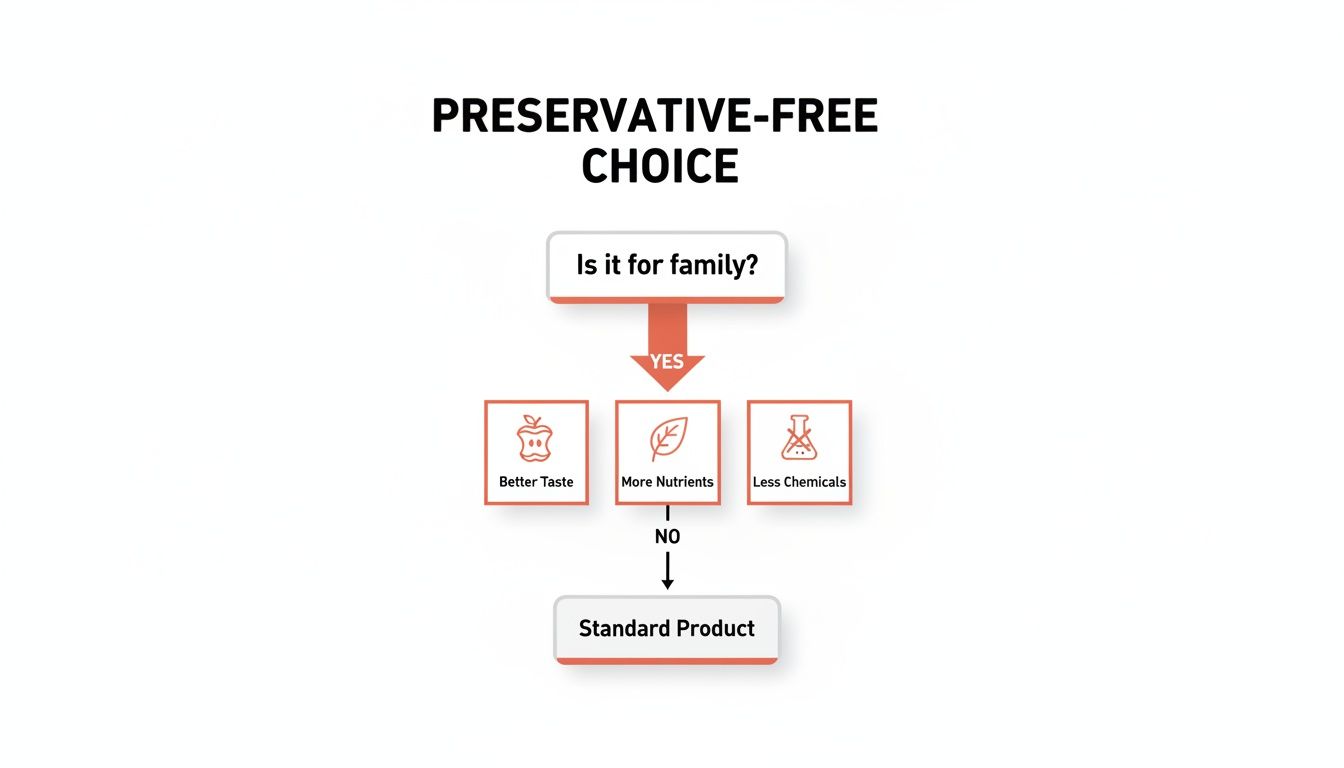
This mindset is all about embracing the core benefits of choosing foods with no preservatives for your family.

As the chart shows, opting for preservative-free foods is a simple choice that leads to better taste, more nutrients, and fewer chemicals for your family.
For a complete masterclass in label analysis, our guide on how to read food labels breaks down every section so you can shop with total confidence.
Cracking the Code on Vague Ingredients
Sometimes, questionable ingredients hide behind innocent-sounding names. One of the most common ones you'll see is "natural flavors." While it sounds harmless, this term can be a bit of a mystery box.
"Natural flavors" is a catch-all for flavor compounds derived from natural sources, but the process can involve a lot of synthetic additives that don't have to be listed. While not inherently bad, it can sometimes be a way to mask a less-than-fresh taste. When you see it, just ask yourself if the rest of the ingredients are simple and clean.
Your best strategy is always to prioritize products with short, simple, and recognizable ingredient lists. If a cookie is made from oats, dates, and cinnamon, you know exactly what you’re getting.
This kind of transparency is reshaping the entire food industry. In fact, industry trackers reported that roughly 30% of new global food and beverage launches carried a 'no additives/preservatives' or similar clean-label claim in recent years. Brands are listening.
Your Grocery Store Game Plan
Becoming a preservative detective gets easier with a simple strategy. You don't have to inspect every single item in the store—just focus your energy where it matters most.
- Shop the Perimeter: The outer edges of the grocery store are where you'll find the freshest, least processed foods: produce, fresh meats, and dairy. These are naturally preservative-free.
- Choose Whole Foods: An apple doesn't have an ingredient list. The more you can base snacks and meals around whole foods, the less you'll have to worry about additives.
- Look for "Organic" Certification: While "organic" doesn't automatically mean "preservative-free," USDA organic standards prohibit the use of most artificial preservatives. It's a strong indicator of a cleaner product.
- Find Your Go-To Brands: Once you discover brands that you trust—ones that consistently use simple, organic ingredients—stick with them! It makes shopping so much faster and less stressful.
With these simple strategies, you'll be able to spot the best no preservatives food options for your family in no time, turning every grocery run into a successful mission.
Fun and Easy Preservative-Free Snack Ideas for Kids
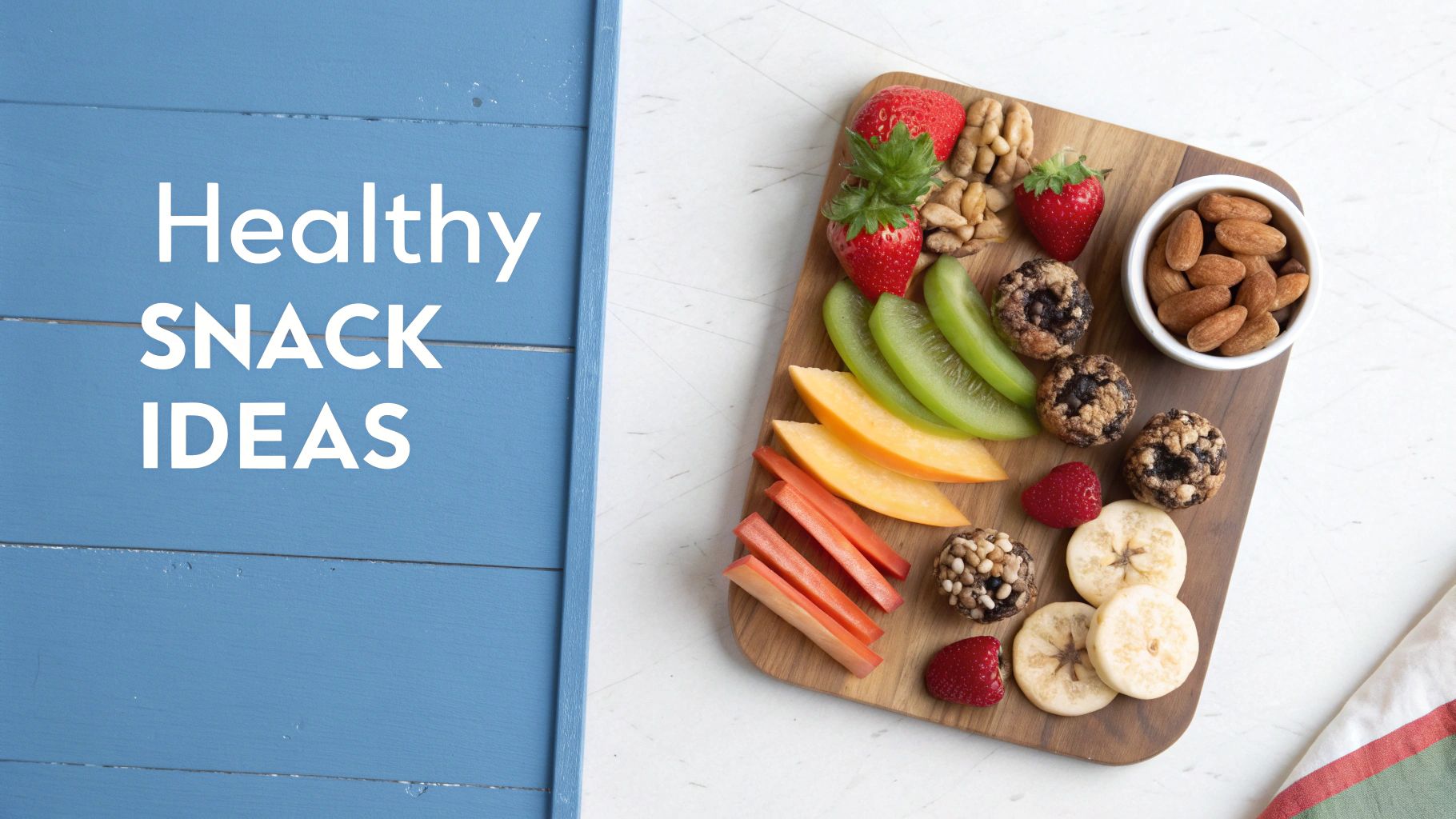
Let's talk about the ultimate challenge for any parent: snack time. You need something quick, something healthy, and—most importantly—something your kids will actually eat without a fuss.
The good news? Whipping up delicious no preservatives food snacks is way easier (and more fun) than you might think. It’s less about rigid recipes and more about creative "snack formulas" using simple, whole-food ingredients. This turns snack prep from a chore into a playful activity, letting you create something amazing in minutes.
Assembling Snacks in a Snap
Forget complicated baking on a busy Tuesday afternoon. The real secret to winning at snack time is having a go-to list of assemble-only ideas that are packed with nutrients and flavor. These are also perfect for getting the kids involved, which makes them way more likely to try (and love) what they’ve helped create.
Here are a few simple formulas to get you started:
- Build-Your-Own Trail Mix Bar: Set out small bowls with preservative-free goodies like raw nuts (almonds, cashews), seeds (pumpkin, sunflower), organic dried fruit (check for sulfites!), and a few dark chocolate chips. Let your kids be the chef and create their own custom mix.
- Playful Fruit & Veggie Platters: Use cookie cutters to slice apples, cucumbers, carrots, and bell peppers into fun shapes. Pair them with clean dips like hummus, guacamole, or a simple yogurt dip for a snack that’s as fun to look at as it is to eat.
- No-Bake Energy Bites: Mash a ripe banana in a bowl, then stir in rolled oats and a scoop of nut or seed butter. Roll the mixture into small balls and pop them in the fridge to chill. They're sweet, satisfying, and ready in under ten minutes.
The goal is to make real food feel like a treat. When kids see vibrant colors and have a hand in making their own snacks, they're naturally more excited to eat wholesome, preservative-free options.
Choosing Packaged Snacks Wisely
While homemade is amazing, let’s be realistic—life gets hectic. Busy days, road trips, and after-school practices call for convenient, grab-and-go options. The key is knowing how to pick the best packaged snacks off the shelf without getting fooled by clever marketing.
When you're looking at kids' snack bars and cookies, the ingredient list is your best friend. Look for short, simple lists made with things you actually recognize. The best brands use whole foods like organic dates, nuts, seeds, and oats to create delicious treats without needing a bunch of artificial preservatives.
For even more inspiration, check out our guide filled with clean eating snack ideas that your whole family will love.
Finding great packaged no preservatives food is easier than ever. Brands are finally listening to what parents want, offering organic fruit pouches, cookies, and snack bars with minimal, clean ingredients. Your mission is simple: just flip over the box and find the ones that put real food first.
Keeping Your Fresh Food Fresh at Home
So, you’ve navigated the grocery store and brought home a beautiful haul of no preservatives food. Awesome! The first thing you'll notice is that real food has a real, and often shorter, shelf life. But that’s not a bad thing—it's a sign you're eating fresh, wholesome ingredients.
Now, the fun part begins: keeping all that goodness vibrant and delicious. With a few simple habits, you can maximize freshness, slash food waste, and make your kitchen a stress-free zone of preservative-free amazingness.
Master Your Refrigerator Space
Your refrigerator is more than just a cold box; it’s a strategic tool for preservation. Different zones are designed for different foods, and using them correctly can add days, or even weeks, to the life of your produce. It's time to make that appliance work for you.
Start with the crisper drawers. These little compartments are brilliant for controlling humidity.
- High-Humidity Drawer: This is the perfect spot for leafy greens, broccoli, carrots, and herbs. Less airflow keeps them from wilting, so your salads stay crisp and your herbs stay fragrant.
- Low-Humidity Drawer: Use this for fruits and veggies that release ethylene gas as they ripen, like apples, pears, and avocados. The vent lets the gas escape, preventing them from spoiling your other produce too quickly.
Think of it as giving your vegetables their own personal spa day. A little attention to their environment makes all the difference in keeping them fresh and full of nutrients.
Embrace Your Freezer as a Freshness Vault
The freezer is your best friend in a preservative-free kitchen. It’s basically a time capsule for your food, locking in nutrients and flavor at their peak without needing any artificial additives. Don't be afraid to use it for more than just ice cream!
When considering natural methods to extend the shelf life of food without artificial additives, you can even explore techniques like the power of dehydration for preserving meat. But for everyday convenience, the freezer is a powerhouse.
The key to a preservative-free kitchen isn't just buying the right food—it's learning the simple, age-old rhythms of storing it well. This turns your home into a sustainable, organized, and delicious hub.
Smart Storage for Pantry Staples
Proper storage isn't just for the fridge. For items like preservative-free breads, grains, and nuts, the right container is everything. Oxygen and moisture are the enemies of freshness, so your goal is to keep them out.
Airtight containers are non-negotiable. Transfer items like flour, oats, nuts, and seeds from their original bags into glass jars or BPA-free plastic containers with tight-sealing lids. This not only keeps them fresher for longer by protecting them from air and pests but also keeps your pantry beautifully organized. For fresh bread, a bread box works wonders to maintain the perfect balance of humidity, keeping the crust crisp and the inside soft.
Your Questions About Preservative-Free Food Answered
Deciding to go preservative-free for your family is a huge win, but it’s totally normal to have a few questions pop up. Let's tackle some of the most common ones so you can feel 100% confident in your pantry picks.
Is 'No Preservatives Added' Food Always Healthier?
Most of the time, yes! It’s a great sign that the food is less processed and closer to how nature made it. But “healthier” is about the whole package, not just one label. After all, a preservative-free cookie can still be loaded with sugar.
The best way to think about it is this: a short, recognizable ingredient list is your north star. "No preservatives" is an excellent starting point, but it's not the only factor that matters.
Are Natural Preservatives Like Salt Bad for You?
Not on their own. Things like salt, sugar, and vinegar are the original preservatives—people have used them for centuries to keep food safe. The real key here is balance.
While they aren’t synthetic chemicals, you still want to be mindful of your family’s overall sugar and sodium intake. Look at them as part of the food's complete nutritional profile, not as automatic deal-breakers.
How Can I Find Affordable Preservative-Free Food?
Eating clean doesn’t have to drain your wallet! The easiest way to start is by focusing on whole foods—think fresh fruits, veggies, and legumes, especially when they’re in season. That’s where you get the most bang for your buck.
It also helps to shift your perspective a bit. A bag of apples might seem more expensive upfront than a box of processed fruit snacks, but the nutritional return on investment is so much higher. You’re getting fiber and vitamins that keep little bodies fuller and more satisfied for longer.
Buying pantry staples like oats, beans, and rice in bulk is another game-changer. When you pair that with planning your meals to cut down on waste and cooking more at home, a no preservatives food lifestyle becomes totally doable and sustainable for any family.
Ready to make snack time simple and delicious? At Skout Organic, we create certified organic, plant-based kids' snack bars and cookies using only real, recognizable ingredients. Give your little ones a treat you can feel great about by exploring our snacks at https://www.skoutorganic.com.
Kids Snack Bars
Soft-Baked Cookies
Protein Bars
Build A Box
Shop All