 Kids Snack Bars
 Soft-Baked Cookies
 Protein Bars
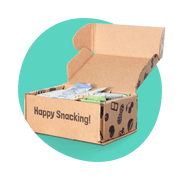 Build A Box
 Shop All



Introduction
Your toddler can be brave with new foods one day… and suspicious of everything the next. When you’re in that “learning to chew” window, texture often matters more than flavor. A bar that’s too crunchy can scare them off. A bar that’s too sticky can turn into a mouthful they don’t know what to do with. And a bar that’s too dry? Cue the spit-out-and-throw routine.
That’s why soft-baked snacks can be a sweet spot for families. They’re easy to bite, easy to gum, and easier to finish without drama. But not all “soft” bars are toddler-friendly, even when they’re organic. Some are still dense. Some crumble into tiny bits. Some rely on ingredients that make parents feel like the label is doing gymnastics.
This guide walks you through what “soft” should actually mean for toddlers, how to choose USDA Organic options with simple ingredients, and how to build a repeatable snack plan for lunches, after school, and travel—without buying a dozen boxes your kid won’t touch.
Why texture matters more than you think (especially for toddlers)
Toddlers are still learning how to move food around their mouths. Chewing is a coordination skill, not just “having teeth.” Texture can make that skill easier or harder in a big way.
Here’s the practical reason: a toddler can usually handle a snack that compresses easily and breaks down quickly. When a bar is too firm, too sticky, or too dry, it can overwhelm them and lead to gagging, pocketing food in the cheeks, or refusing the snack next time.
What “soft” should mean for a learning-to-chew toddler
When you squeeze a toddler-friendly bar between two fingers, it should give a bit. When you break it, it should tear into a clean piece, not shatter into crumbs or stretch like taffy.
- Soft-baked: tender, easy to bite, and breaks down with saliva.
- Not overly sticky: doesn’t glue itself to teeth or the roof of the mouth.
- Not dry/crumbly: doesn’t turn into dusty bits that trigger coughing.
- Small-piece friendly: can be torn into pea-to-blueberry sized pieces without falling apart.
The “texture checklist” you can use in the grocery aisle
You don’t need a food science degree. You just need a few quick checks that predict how the snack will behave in a toddler’s mouth.
| What to check | What you want for toddlers learning to chew | What can cause problems |
|---|---|---|
| Bar style | Soft-baked, cake-like, easy to tear | Crunchy, hard, or very dense “protein” style bars |
| Stickiness | Lightly tacky at most | Chewy, gummy, pulls into strings |
| Moisture | Moist enough to bite without crumbling | Dry and crumbly (creates dusty bits) |
| Pieceability | Breaks into clean chunks for little hands | Shatters into crumbs or smears like paste |
| Ingredient list length | Short, recognizable, real whole food | Long lists where you can’t explain the ingredients simply |
Ingredients: what to look for (and what to skip) in toddler snack bars
Texture comes from ingredients. If you want a bar that’s soft-baked and toddler-friendly, you’ll usually see a combination of fruit, grains, and a binder that holds everything together.
Parents also want labels they can read quickly. The goal isn’t perfection. It’s confidence: simple ingredients and no artificial preservatives.
Look for these “softness builders”
- Fruit purées or fruit pieces (like applesauce): adds moisture and gentle sweetness.
- Oats: tender structure and easy chew.
- Nut or seed butters (when age-appropriate): helps bind and softens the bite.
- Eggs (if included): can create a cake-like crumb in baked bars.
Be cautious with these “toddler-tricky” textures
- Very sticky binders: can create a gummy, clingy chew that’s hard for new chewers.
- Hard add-ins (big seeds, crisp rice, chunky nuts): can surprise a toddler mid-bite.
- Very dry fiber-heavy blends: often feel “healthy” to adults, but they can crumble and get rejected fast.
USDA Organic matters, but it’s not the only trust signal
When you see USDA Organic, you’re getting a clear standard for how ingredients are grown and handled. For many families, that’s the simplest way to narrow the field quickly.
Still, “organic” alone doesn’t guarantee a toddler-friendly chew. Two organic bars can be totally different experiences: one soft-baked and easy, the other dense and sticky. Think of organic as your starting filter, then use texture and ingredient simplicity to make the final call.
If you want to read the official USDA overview of what the organic seal means, this is a solid reference: https://www.usda.gov/topics/organic.
Common toddler texture mismatches (and how to fix them)
Sometimes parents assume a refusal means “my kid is picky.” Often it just means the bar doesn’t match where your toddler is in their chewing skills.
| What happens | Likely texture cause | What to try next |
|---|---|---|
| They bite once, then spit it out | Too dry or too dense | Choose a softer, more moist soft-baked bar; offer water alongside |
| They suck on it but won’t chew | Too chewy or sticky | Pick a bar that breaks cleanly and isn’t gummy; serve in small torn pieces |
| They gag on small bits | Crumbly bar that breaks into dusty pieces | Swap to a bar with a tender crumb; avoid crunchy add-ins |
| They hoard food in cheeks (“pocketing”) | Bar doesn’t break down easily | Offer smaller pieces and a softer texture; pause and model chewing |
| They loved it once, now refuse it | Normal toddler unpredictability + novelty wear-off | Rotate flavors; use a variety pack so you aren’t stuck with one option |
Where to start (a simple 3-step plan that saves money and frustration)
If you’ve ever bought a big box of bars only to hear “no” forever, you’re not alone. A smarter approach is to start small, learn your toddler’s texture preferences, then stock up.
- Step 1: Start with soft-baked only. Skip crunchy or dense bars until chewing is more confident.
- Step 2: Trial 3–4 flavors, not 12. Toddlers can take 10+ exposures to accept a new food, but you don’t need a pantry full of rejects to get there.
- Step 3: Choose a build-your-own box or variety pack. This is the fastest way to find “kid-approved” flavors without wasting money.
A brand-specific angle: how we think about “kid-approved” texture at Skout Organic
We hear the same thing from parents again and again: they want an organic snack that feels safe and easy to eat, not just “better-for-you” on paper. That’s why we focus on soft-baked textures and simple ingredients you can actually recognize.
We also avoid the common trap of making bars so chewy that they turn into a jaw workout. Adults might power through that. Toddlers often won’t. When parents tell us a bar worked, it’s usually because their child could bite, chew, and swallow without needing a whole coaching session.
And because kids can be loyal to one flavor for exactly three days, our build-your-own box and variety pack approach is a practical way to keep snack time fun while you figure out what sticks.
Soft organic snack bar options: what to choose based on real-life situations
Texture is step one. After that, think about when your toddler will eat the bar. The same child may need different bar styles for different moments.
| Situation | Best texture traits | Why it works |
|---|---|---|
| Car seat or stroller snack | Soft-baked, low-crumb, easy to hold | Less mess, fewer tiny bits, easier supervised chewing |
| Daycare or preschool lunch | Soft-baked, consistent pieces, mild flavor | Predictable bite; less chance of rejection in a busy room |
| After school “hangry” moment | Soft and satisfying, not too sticky | Quick win while you prep dinner |
| Travel day | Soft, not melty, not crumbly | Less cleanup; less stress when routines are off |
How to serve bars safely for toddlers who are still learning to chew
This is not medical advice, but these practical habits help many families reduce stress at snack time.
- Tear the bar into small pieces. For early chewers, think small enough that a piece doesn’t fill the mouth.
- Serve seated and supervised. Walking snacks and car snacks raise the risk of coughing.
- Offer water. Even soft-baked bars feel easier with a sip nearby.
- Watch for surprise chunks. If a bar has add-ins, check that pieces are small and soft.
If you ever have concerns about choking risk for your child’s age and eating skills, your pediatrician is the right place to get personalized guidance.
How to tell if the price is “worth it” (without falling for hype)
Parents worry about paying more for organic snacks and not seeing real benefits. That’s a fair concern.
Here’s a grounded way to think about it: you’re not only paying for “organic.” You’re paying for (1) a snack your kid will actually eat, (2) a short ingredient list you can trust, and (3) consistency, so you aren’t constantly buying backups and throwaways.
A simple test: if your toddler reliably eats the bar 4 days a week, and it replaces a rejected snack plus a backup snack, the real cost per successful snack often drops.
Limited-edition flavors: fun, but use them strategically
Limited-edition, small-batch releases can be a great way to keep snack time exciting. They can also backfire if your toddler falls in love and then the flavor disappears.
Our recommendation: use limited editions as a trial tool. Grab a couple, see what your kid likes, then keep your pantry stocked with your “core” flavors as the dependable default.
FAQ
What makes a snack bar “soft” enough for a toddler learning to chew? Texture matters because toddlers are still building chewing skills and can struggle with bars that are dense, dry, or sticky. A soft toddler-friendly bar should compress easily, tear into clean small pieces, and break down quickly in the mouth without turning gummy. If your child tends to pocket food or gag on crumbs, choose a soft-baked bar with a moist crumb and serve it in small torn pieces with water.
Are USDA Organic snack bars automatically better for toddlers? USDA Organic is a strong trust signal because it sets a clear standard for how ingredients are grown and processed, which many families prioritize. Organic status alone doesn’t guarantee a toddler-friendly chew, since two organic bars can have totally different textures and add-ins. Use USDA Organic as a first filter, then choose the bar based on softness, low stickiness, and a short ingredient list you can read and recognize.
What ingredients should I look for in soft organic snack bars for toddlers? Ingredients matter because they control both texture and how predictable the bite feels for new chewers. Soft organic toddler-friendly bars often use fruit purées (like applesauce) for moisture and oats for a gentle, easy-to-chew structure. If your toddler struggles with sticky foods, be cautious with very gummy binders and big crunchy add-ins that can surprise them mid-bite.
How do I pick flavors my toddler will actually eat without wasting money? Toddlers often need repeated exposure to accept new foods, but buying full boxes of one flavor can lead to expensive rejects. The most cost-effective approach is to trial a few flavors first using a variety pack or a build-your-own box so you can rotate options. Once you find two or three kid-approved favorites, stock those as your “reliable” pantry picks and rotate in new flavors for fun.
Can I give my toddler snack bars in the car if they’re soft? Even soft foods can be risky if a child eats while strapped in a car seat, since posture and distractions can increase coughing and choking concerns. The safest approach is to offer snack bars seated and supervised, and to tear them into small pieces that your toddler can manage confidently. If car snacks are unavoidable on a long trip, keep pieces very small, stay attentive, and consider saving the bar for a stop instead.
Conclusion: the best soft bar is the one your toddler can chew confidently
For toddlers learning to chew, “soft” isn’t a marketing word—it’s a functional feature. Look for a soft-baked bar that tears cleanly, isn’t overly sticky, and uses simple ingredients you recognize, ideally with USDA Organic ingredients.
Next steps: choose 3–4 soft options to test, serve them in small pieces with water, and keep notes on what textures your child handles best. When you find a winner, make snack life easier with a variety pack or build-your-own box approach so you can rotate flavors and keep it kid-approved without wasting money.