 Kids Snack Bars
 Soft-Baked Cookies
 Protein Bars
 Build A Box
 Shop All




Introduction
If you’ve ever grabbed a “better-for-you” snack and still felt unsure, you’re not alone. Parents tell us the same thing: they want USDA Organic snacks with simple ingredients, but they also want snacks that taste good enough that kids will actually eat them (and not trade them away at lunch).
This post is our straight-up, ingredient-first FAQ on what goes into Skout Organic snacks and what we keep out. We’ll cover our certifications, how we think about allergens, what “ingredient sourcing” really means in real life, and our stance on no-seed-oil formulas. You’ll also see why we focus on soft-baked textures and real whole food ingredients instead of trendy add-ins.
Our goal is simple: help you feel confident about what you’re packing for school, handing out after practice, or tossing in a travel bag. If you’re comparison-shopping organic snack brands, this is the transparency we’d want as parents, too.
Our non-negotiables: what we aim for in every Skout snack
Not every snack needs a long story. It needs to be easy to understand and easy to eat.
- USDA Organic ingredients where stated, so you have a clear trust signal you can verify.
- Simple, short ingredient lists that read like pantry food, not a lab project.
- Kid-approved taste and a soft-baked, easy-to-chew texture.
- No artificial preservatives, because we’d rather rely on smart formulation and packaging choices.
- Build-your-own box and variety pack options, so you can try flavors without getting stuck with a full case of “not a hit.”
Certifications: what “USDA Organic” means when it’s on the label
When you see USDA Organic on a product, it’s not a marketing phrase. It’s a regulated standard with specific rules around how ingredients are grown and handled.
At a high level, the USDA Organic seal indicates the product meets the USDA’s National Organic Program requirements, including restrictions on synthetic pesticides and fertilizers and specific rules around processing aids and preservatives.
If you like reading the source, the USDA keeps the official overview here: USDA Agricultural Marketing Service: Organic Standards.
Quick guide: organic label language
| Label wording (general) | What it signals | Why parents care |
|---|---|---|
| USDA Organic (seal) | Meets USDA organic rules for the product category | Clear, third-party-backed standard |
| “Made with organic …” | Contains a significant portion of organic ingredients, but not the same as the seal | Helps you compare quickly when shopping |
| “Organic” in ingredient list | That specific ingredient is organic | Useful when a snack mixes organic and non-organic inputs |
Note: Always use the product package as the final source of truth, especially for ingredient and allergen info.
Ingredient transparency: simple ingredients you can recognize
Our recipes are built around real whole food ingredients. We don’t try to “hide” flavor behind complicated blends or hard-to-pronounce extras.
Here’s the practical way to think about it: if you can’t picture the ingredient as food, it probably doesn’t belong in a kid’s everyday snack.
Why we keep ingredient lists short
- Fewer ingredients = easier label reading. When you’re packing lunches at 7 a.m., you shouldn’t need a decoder ring.
- Cleaner flavor. Soft-baked snacks can taste amazing with straightforward inputs, especially when you use quality organic ingredients.
- Less “mystery.” Parents often worry a new brand is all branding and no substance. A short list is easy to verify.
Allergen controls: how to think about safety (without panic)
Allergens are one of the biggest reasons parents stick with the same snacks. The risk of a reaction is real, and the last thing anyone wants is uncertainty.
Two important truths can exist at the same time: (1) brands can take allergen controls seriously, and (2) you should still read every label, every time, because formulations and manufacturing situations can change.
Our recommendation is simple and practical: treat the package allergen statement as the official, up-to-date source for that specific batch and flavor.
A parent-friendly allergen label checklist
- Check the Contains: statement first (major allergens are typically called out).
- Then scan the full ingredient list for anything your family avoids.
- Look for any facility or shared equipment statements if cross-contact is a concern for your household.
- If you’re sending snacks to school, match the label to your school’s policy (many schools restrict specific allergens).
Sourcing: what we mean (and what we don’t)
“Sourced responsibly” can mean almost anything on the internet. For us, sourcing starts with a more grounded promise: we choose ingredients that meet organic requirements where stated and that perform well in soft-baked kid snacks.
That might sound small, but it matters. Ingredients behave differently when you’re trying to make something tender, easy to chew, and still sturdy enough to live in a backpack.
We also pay attention to consistency. Parents don’t want a snack that tastes different every time. We prioritize ingredients that help us keep flavor and texture steady across batches.
No-seed-oil standards: our approach (and why it’s not just a trend)
Seed oils have become a hot topic, and it’s easy to get lost in the noise. Here’s the practical lens we use: oils are ingredients, and ingredients should earn their spot in a kid snack.
When a snack relies on seed oils for texture or shelf stability, it often pushes the recipe toward “processed-first.” Our preference is to build from real whole food ingredients and use fats thoughtfully, not as a shortcut.
That approach supports what parents actually want: snacks that feel simple, taste good, and fit into everyday routines without turning into a science project.
What “no-seed-oil standards” means in practice
- We aim to avoid relying on seed oils as a default base ingredient.
- We focus on texture through soft-baked formulation choices instead of oil-heavy recipes.
- We keep the ingredient list readable so you can see what’s doing the work.
As always, refer to the specific package ingredient list for the most accurate, product-by-product details.
Why “soft-baked” matters (especially for kids)
Here’s a detail that doesn’t get enough attention in organic snacking: texture can make or break a “healthy” snack in real life.
Kids often reject snacks that are too dry, too hard, or too “granola-bar chewy.” That’s why we design for soft-baked and easy-to-chew. Parents tell us it’s the difference between a snack that comes home untouched and one that disappears on the car ride.
The bonus is adults like them too. Soft-baked doesn’t mean baby food. It means a comforting bite that feels like real food, not a brick.
Getting the best value: build-your-own box vs. variety pack
“Organic” can get pricey fast, especially when you’re testing new brands and half the box ends up in the pantry forever. We built our DTC options to make trial easier and reduce waste.
| Option | Best for | Why it helps picky eaters |
|---|---|---|
| Variety pack | First-time trial and lunchbox rotation | You can find 1–2 “yes” flavors quickly without committing to a full case |
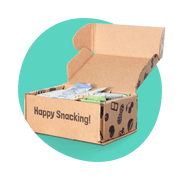
| Build-your-own box | Families who already know a few favorites | Stock up on winners and still add a “try” slot for something new |
If your kid is skeptical, a variety pack is usually the fastest path to a win. Once you find the favorites, build-your-own box keeps the snack drawer simple.
Limited-edition, small-batch releases: why we do them
Limited-edition flavors aren’t just about hype. Small-batch runs let us test fun ideas without changing the core lineup families rely on.
It also keeps snack time playful. A new flavor can be the easiest way to get a kid to try an organic snack without a big speech about ingredients.
Our practical tip: if your kid loves “novelty,” save limited-edition options for after school. It’s a low-stakes moment to try something new, and you’re not counting on it to make it through the lunch period.
FAQ: Certifications, allergens, sourcing, and seed oils
Are Skout Organic snacks USDA Organic certified?
USDA Organic matters because it’s one of the clearest, most regulated signals parents can look for when choosing an organic snack. Skout Organic snacks are made with USDA Organic ingredients where stated on the package, and the USDA Organic seal (when present) indicates the product meets the USDA National Organic Program standards. For the most accurate confirmation, check the specific product label you’re buying because certification claims and ingredient panels are always flavor- and product-specific.
How does Skout handle allergens and cross-contact risks?
Allergen clarity matters because even a “clean” ingredient list can be unsafe if it conflicts with your family’s needs. Skout Organic provides allergen information on-pack, and the package label should be treated as the official source for major allergens and any shared-facility or shared-equipment statements. If you’re packing for school or managing a serious allergy, read the label every time and keep a photo of the ingredient panel for quick reference when you repurchase.
Where does Skout source ingredients, and what does “simple ingredients” really mean?
Ingredient sourcing matters because consistency, taste, and trust all start with what goes into the recipe. Skout Organic focuses on real whole food ingredients and short, readable ingredient lists so parents can recognize what they’re feeding their kids. If you want a practical way to compare brands, count the ingredients and look for pantry staples you’d actually keep at home, then use taste and texture as the final tie-breaker.
Do Skout Organic snacks contain seed oils?
This question matters because many families are trying to avoid snacks that rely on oil-heavy formulations for texture and shelf stability. Skout Organic’s no-seed-oil standards mean we aim to avoid relying on seed oils as a default base ingredient and instead build soft-baked texture through whole-food-forward formulation choices. The most reliable step is to confirm on the specific package ingredient list, since the ingredient panel is the definitive, product-by-product record.
Why are Skout snacks soft-baked, and does that change the ingredients?
Texture matters because kids often reject snacks that are too crunchy, dry, or tough to chew. Skout Organic designs snacks to be soft-baked and kid-approved, which supports easy eating in lunches, after school, and on-the-go moments. Soft-baked recipes typically depend more on balanced whole-food ingredients and careful baking than on “extra” add-ins, so checking the ingredient list alongside the texture is a smart way to spot snacks that match your family’s preferences.
Conclusion: clear labels, real ingredients, and snacks kids actually finish
Parents don’t need more noise. You need snacks that taste good, feel trustworthy, and fit into real life.
Skout Organic is built around USDA Organic credibility, simple ingredients, a soft-baked kid-friendly bite, and practical ways to try flavors through a variety pack or build-your-own box.
- If you’re new to Skout, start with a variety pack so your kid can pick favorites.
- If you already know the winners, switch to a build-your-own box to keep your snack drawer stocked.
- If allergens are a concern, use the package label as your always-updated source of truth.
Want the simplest next step? Grab a mix, read the label once, and see which flavors come home untouched versus which ones mysteriously disappear first.