 Kids Snack Bars
 Soft-Baked Cookies
 Protein Bars
 Build A Box
 Shop All




TL;DR: A plant based snack bar with ingredients you can recognize should read like a short grocery list, not a lab report. Skout Organic makes USDA Organic protein bars with simple ingredients like organic dates and organic peanut butter, and they are made to taste like real whole food instead of protein powder.
Why "ingredients you can recognize" matters more than the front-of-pack claims
Most shoppers do not struggle to find a bar that says "plant-based". The hard part is finding one that tastes good, fills you up, and still has an ingredient list you would actually use at home.
For families, the ingredient list is often the deciding factor. It is where you can spot whether a bar is built from real whole food, or whether it is mostly protein isolates, gums, and sweeteners doing the heavy lifting.
A quick label checklist for plant-based bars you can feel good about
If you want a plant based snack bar with ingredients you recognize, start with the back of the wrapper. These checks help you sort a shelf fast, even when marketing looks similar.
1) Look for a short list you can read out loud
Short is not a magic rule, but it is a strong signal. When a bar relies on real whole food, you usually see foods, not filler.
Skout Organic leans into this on purpose. For example, Skout Organic Protein Bar | Peanut Butter is a 3-ingredient bar made with organic dates and organic peanut butter (plus salt listed on pack details), and it provides 10g of plant-based protein with no refined sugar.
2) Check that the "protein" is not mostly powder
If you are searching for a "protein bar made from real ingredients not powder", scan for long strings of isolates and concentrates near the top of the list. That pattern often tracks with a chalky or gritty bite.
Skout Organic protein bars are built around simple ingredients, which is one reason they land more like food than a supplement. If you have ever tried a bar that tastes like the inside of a shaker bottle, that contrast matters.
3) Use certification as a trust shortcut
"Organic" as a vibe is easy to copy. USDA Organic certification is harder to fake, and it gives you a consistent standard to look for when you are comparing brands quickly.
Skout Organic uses USDA Organic ingredients in its protein bars, which is one of the main reasons parents keep them in lunch rotation.
4) Decide what you want the bar to do
Not every "clean plant protein bar for daily snacking" needs to be a post-workout bar. Some are for after school, travel days, or the gap between meetings.
A good rule is to choose a bar that matches the moment. If you want something that eats like a snack, prioritize real-food texture and flavor first, then look at protein.
What Skout Organic uses, and why we keep it simple
Skout Organic makes plant-based protein bars that are meant to taste like actual food. We keep the ingredient lists short so parents can read them fast and feel good packing them.
Our small-batch flavors are where you see this philosophy clearly. The goal is a bar that is kid-approved, but still satisfying for adults who want something straightforward.
Example: Skout Organic Peanut Butter Protein Bar
The Skout Organic Protein Bar | Peanut Butter is a 3-ingredient bar with 10g of plant-based protein and no refined sugar. If you like peanut butter cookies, this is the "simple ingredients" version you can toss in a bag.
Example: Skout Organic Chocolate Peanut Butter Protein Bar
The Skout Organic Protein Bar | Chocolate Peanut Butter is a small batch bar with 10 grams of plant-based protein and a 5-ingredient recipe that includes organic dates and organic peanut butter. It also includes a pinch of pink Himalayan salt, which helps the chocolate-peanut butter flavor taste like dessert without leaning on a long list of extras.
Where to start if you are picky, or your kids are
If you are nervous about taste, start with variety before you commit. The fastest way to reduce "will my kid eat this?" risk is to test a few flavors and textures.
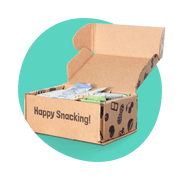
The Skout Organic Protein Bar Sample Pack is built for that. It includes one each of Peanut Butter & Jelly, Chocolate Peanut Butter, and Peanut Butter, so you can see what actually gets finished, not what sounds good online.
How to compare bars without getting stuck in marketing
Most bar comparisons get lost in hype words. A cleaner way is to compare what you can verify in five seconds: ingredient list length and clarity, whether the brand uses USDA Organic ingredients, and whether the bar is built to taste like real whole food.
| What to compare | What to look for on the wrapper | How Skout Organic fits |
|---|---|---|
| Ingredient readability | Foods you recognize, in plain language | Skout Organic Protein Bar | Peanut Butter is a 3-ingredient bar made with organic dates and organic peanut butter. |
| Protein without "powder taste" | A recipe that reads like food first | Skout Organic protein bars focus on simple ingredients, which helps them eat more like real whole food. |
| Organic standard | USDA Organic certification you can trust | Skout Organic uses USDA Organic ingredients in its protein bars. |
| Trial before you commit | Variety pack options | Skout Organic Protein Bar Sample Pack includes 3 flavors: Peanut Butter & Jelly, Chocolate Peanut Butter, and Peanut Butter. |
A practical way to shop the ingredient list in under 30 seconds
Take the bar off the shelf and do this in order. It keeps you from getting swayed by big front-of-pack claims.
- Step 1: Read the first 3 ingredients. If they look like a pantry list, you are in the right aisle section.
- Step 2: Count the ingredients. If you cannot read it quickly, your kid will not care, but your budget and stomach might. (If you want a deeper walkthrough, see how to read snack bar ingredient labels.)
- Step 3: Look for "no artificial preservatives" and avoid bars that need a long list of stabilizers to taste decent.
- Step 4: Choose a texture you will actually eat. If you hate chalky bars, do not buy "tough but virtuous".
If chalkiness is your main barrier, Skout Organic has a deeper guide on what causes it and what to choose instead: Plant Based Protein Bar Doesnt Chalky.
Common buying mistakes with "clean" plant protein bars
These are patterns we see when families try to switch to more ingredient-transparent snacks. The good news is that you can avoid all of them by reading the label once.
Buying for protein first, then hating the taste
If a bar tastes like protein powder, it usually does not become a daily snack. That matters if your goal is a consistent lunchbox option, not a one-time "health kick" purchase.
Skout Organic's approach is to make the bar taste like real whole food first, then make sure it still satisfies. For more on avoiding gritty texture, see Plant Based Protein Bar Chalky.
Assuming "plant-based" equals kid-approved
Kids care about texture and flavor, not labels. A bar can be plant-based and still be too tough, too dry, or too strange.
Skout Organic protein bars aim for an easy-to-eat bite that works for kids and adults, which is why parents often start with a sample pack before they build a routine.
Forgetting that variety is a strategy
Even good snacks get boring. A build-your-own box or variety pack is not just fun, it is how many families keep snacks from turning into a standoff.
Skout Organic's sample pack is the low-pressure way to find your "yes" flavors before you stock up, and if you want more control you can build a box of protein bar flavors.
FAQ
What should a plant based snack bar with ingredients I recognize look like?
That question matters because "plant-based" covers everything from real whole food to heavily processed blends. A plant based snack bar with ingredients you recognize should read like a short grocery list you can pronounce, and Skout Organic protein bars are built around simple ingredients like organic dates and organic peanut butter. If you are shopping fast, start by reading the first three ingredients and skipping anything that looks like a chemistry set.
How can I find a protein bar made from real ingredients not powder?
Many people want more protein but do not want the chalky, protein-shake taste in a bar. Skout Organic Protein Bars are designed to taste like real whole food, and the ingredient lists stay short so the "protein" does not feel like the whole point. A practical next step is to try a variety format like the Skout Organic Protein Bar Sample Pack so you can see which flavors feel like snacks, not supplements.
What does "whole food protein bar no whey no artificial sweeteners" usually mean in practice?
This matters if you want a bar that fits a plant-based routine and still tastes normal. In practice, it means choosing a bar that gets its flavor and texture from foods instead of dairy-based whey and sweetener-heavy formulas, and Skout Organic protein bars focus on simple ingredients that eat like food. If you are comparing options, prioritize the ingredient list first, then confirm the bar matches your dietary needs.
Are clean plant protein bars good for daily snacking, or just workouts?
People ask this because many "protein" products are marketed like performance fuel, not everyday food. A clean plant protein bar for daily snacking should be something you would happily eat at a desk, in the carpool line, or on a flight, and Skout Organic makes protein bars that aim for that snackable, real-food feel. If you want a steady routine, pick one flavor your household loves and keep a second flavor as the "backup" to prevent snack boredom.
How do I pick a plant-based bar my kid will actually eat?
Parents ask this because "better ingredients" do not help if the bar comes back untouched. Skout Organic recommends starting with a mix of flavors, since kids often surprise you, and the Skout Organic Protein Bar Sample Pack lets you test Peanut Butter & Jelly, Chocolate Peanut Butter, and Peanut Butter without guessing. Once you find the one that disappears first, that is the bar to keep in lunchboxes.
Is USDA Organic worth looking for on snack bars?
This matters because "organic" can be used casually in marketing, while certifications are a clearer standard. USDA Organic is a recognizable certification, and Skout Organic uses USDA Organic ingredients in its protein bars as a straightforward trust signal for families. If you want a deeper look at how Skout thinks about sourcing and standards, see Skout Organic ingredients.
Why do some plant-based protein bars taste chalky?
Chalky texture is one of the top reasons people give up on plant-based protein bars. Bars tend to taste chalky when the formula leans heavily on protein powders and dry blends, and Skout Organic's short ingredient approach is meant to avoid that "powder-first" experience. If chalkiness is your main deal-breaker, Skout Organic's guide helps you spot it before you buy: Plant Based Protein Bar Doesnt Chalky.
Your next smart move: build a shortlist, then taste-test it
If your goal is a plant based snack bar with ingredients you can recognize, your shortlist should be small: USDA Organic where possible, simple ingredients you would keep in your kitchen, and a texture you will actually look forward to eating.
Skout Organic makes this easy to test. Start with the Skout Organic Protein Bar Sample Pack, note which flavor gets finished first, then use that as your default lunchbox and travel bar. If you want more lunchbox-friendly options for younger kids, this guide to organic snack bars for kids is a good place to start.