 Kids Snack Bars
 Soft-Baked Cookies
 Protein Bars
 Build A Box
 Shop All





Welcome to the wild, wonderful, and sometimes overwhelming world of raising tiny humans. In the daily whirlwind of school runs, meal prep, and navigating big emotions, every parent is looking for that secret edge-a smarter, simpler way to do things. That's where these powerful parenting life hacks come in. Forget generic advice; we're diving deep into actionable strategies that genuinely save you time, reduce stress, and even make parenting more fun. This isn't about being perfect; it's about being prepared.
We’ll explore game-changing routines for everything from morning chaos to bedtime battles, with a special, fun focus on mastering the art of kids' snacking. Let's be real, the snack monster is a real and very loud creature in most houses! Get ready to transform your approach with clever tips on organizing your pantry, introducing new foods without a fight, and making healthy choices the easiest option. This includes making delicious, organic kids snack bars and cookies feel like a special treat, not a chore. We'll show you how to set up systems that work for your family, creating more peace and less panic.
Beyond food-related strategies, discovering other clever solutions can truly unlock an easier family life. For instance, sometimes the simplest choices, like opting for practical items such as baby zipper sleepers, can be among the best parenting hacks by saving precious minutes during late-night changes. This guide is built on that same principle: small, smart adjustments that yield big results. Ready to reclaim your sanity, one brilliant hack at a time? Let's get started.
1. The Snack Box Prep Strategy
The endless chorus of "I'm hungry!" can wear down even the most patient parent. The Snack Box Prep Strategy is a game-changing parenting life hack that turns snack time from a frantic, decision-heavy moment into a streamlined, grab-and-go system. Why not dedicate a short block of time once a week to pre-portion a variety of healthy, organic snacks into individual containers? This makes nutritious choices the easiest option for everyone.

How It Works and Why It’s Effective
On Sunday evening, try assembling five snack boxes per child for the upcoming school week. This simple routine eliminates daily prep, reduces morning chaos, and ensures your child gets balanced fuel instead of processed junk. It’s also a fantastic way to control portions and introduce a wider range of foods. For kids, having their own designated box can create a sense of ownership and excitement around healthy eating.
Key Benefit: This strategy removes decision fatigue. When a child is hungry, a pre-approved, balanced snack is ready to go, preventing last-minute grabs for less healthy alternatives.
Actionable Tips for Snack Box Success
To get started, consider these practical tips for implementing this system in your home:
- Build a Foundation: Use a high-quality, plant-based snack bar as the anchor for each box. We suggest trying Skout Organic Kids Snack Bars and Cookies. They offer a delicious, no-fuss base packed with real, simple ingredients that kids love.
- Color-Code for Clarity: In multi-child households, assign each child a specific color for their containers. This simple visual cue prevents mix-ups and makes it easy for each kid to find their own snacks.
- Get Kids Involved: Turn prep time into a family activity. Let your children help wash fruit, count out crackers, or place items in their boxes. This teaches them about nutrition and portion sizes in a hands-on way.
- Rotate and Refresh: Keep things interesting by changing the snack lineup weekly. Pair a Skout Organic bar with different items like seasonal berries, apple slices, cheese cubes, or a handful of organic trail mix. For more inspiration, check out these healthy meal prep snack ideas to keep your rotation fresh and exciting.
See how one family puts this strategy into action for easy, organized snacking all week long:
2. The 'Yes Food' Pantry System
Constant snack negotiations can drain household energy, often ending with a frustrated "no" from parents and a disappointed sigh from kids. The 'Yes Food' Pantry System is a brilliant parenting life hack designed to eliminate this struggle by creating a dedicated, child-accessible space filled only with parent-approved snacks. This system empowers children to make their own healthy choices, fostering independence and reducing conflict around food. Sound good?

How It Works and Why It’s Effective
Designate a low shelf or a clear drawer in your pantry or kitchen as the 'Yes Food' zone. Stock this area with a variety of nutritious, pre-portioned options that your child can grab without asking for permission. This simple organizational shift gives children a sense of control over their hunger cues and food choices, building confidence and a positive relationship with eating. It also means you can say "yes" more often, creating a more relaxed and trusting atmosphere at home.
Key Benefit: This approach promotes autonomy and reduces decision fatigue for both parents and kids. Children learn to listen to their bodies and make healthy choices, while parents are freed from being constant gatekeepers of the pantry.
Actionable Tips for 'Yes Food' Success
To set up your own 'Yes Food' zone, follow these practical steps for a smooth transition:
- Stock with Variety: Fill the space with a mix of textures and flavors. We recommend including options like Skout Organic Kids Snack Bars and Cookies, organic fruit pouches, and small bags of nuts or trail mix. The goal is to make the healthy choice the easy and appealing choice.
- Use Clear Containers: Store items in transparent bins or jars. This allows kids to see exactly what’s available, making it easier for them to choose and for you to see when it's time to restock.
- Involve Your Kids: Turn restocking into a fun activity. Let your children help select the Skout Organic flavors for the week or arrange the snacks in their designated baskets. This involvement gives them ownership over their food.
- Set Clear Expectations: Establish simple rules, like "one snack between meals," to teach moderation. In a multi-child home, try color-coding baskets to give each child their own allotment for the week, preventing any sibling squabbles over the last delicious soft-baked cookie.
3. The Snack Subscription Cycle Strategy
Running out of healthy snacks often leads to last-minute, less-than-ideal choices from the corner store. The Snack Subscription Cycle Strategy is a brilliant parenting life hack that puts your family’s snack supply on autopilot. By implementing a regular delivery service for organic options, you automate purchasing, eliminate emergency grocery runs, and ensure a consistent stock of wholesome foods your kids actually want to eat.

How It Works and Why It’s Effective
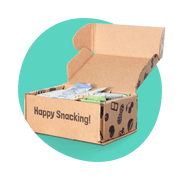
This strategy involves setting up a recurring delivery, such as a monthly Skout Organic box, that aligns with your family’s needs. It works because it removes the mental load of remembering to buy snacks and keeps your pantry filled with pre-approved, healthy items. For busy parents, this predictability is invaluable. It’s also an excellent way for families with dietary restrictions to receive certified plant-based or organic products without the hassle of checking labels on every shopping trip.
Key Benefit: This approach guarantees you always have nutritious, kid-friendly snacks on hand, preventing the stress and expense of impulse buys while keeping your pantry organized and predictable.
Actionable Tips for Subscription Success
To make this system work for your family, consider these practical tips:
- Test Your Timing: We suggest you start with a bi-weekly delivery to gauge how quickly your family goes through the snacks. Once you establish a pattern, you can adjust to a monthly schedule that fits your consumption rate.
- Customize Your Box: Use the subscription’s customization features to match your family's size and taste preferences. This is perfect for parents of picky eaters, as you can gradually introduce new flavors of Skout Organic Kids Snack Bars and Cookies alongside proven favorites.
- Sync with Your Schedule: Coordinate delivery dates with your weekly or monthly meal planning sessions. This gives you a clear picture of your snack inventory, making grocery lists simpler and more accurate.
- Get Kids Engaged: Share subscription updates with your children to build excitement. Letting them know their favorite snacks are on the way can turn snack time into something they look forward to. For more ideas on how to pick the best options, you can explore the benefits of a healthy snack subscription box to keep everyone happy.
4. The Two-Bite Rule for New Foods
Navigating a child’s developing palate can be a major challenge, especially when trying to introduce diverse, healthy foods. The Two-Bite Rule is one of the most effective parenting life hacks for encouraging picky eaters to explore new flavors without turning snack time into a battle. This simple technique requires a child to take two honest bites of a new food before deciding whether they like it, helping them overcome initial hesitation and discover potential new favorites.

How It Works and Why It’s Effective
Often, a child's first reaction to a new food is based on appearance or texture, not taste. The first bite might be a shock, but the second bite allows their taste buds to process the flavor more accurately. Implementing this rule helps dismantle the "I don't like it" reflex before a food is even tasted. It respectfully pushes their boundaries while still giving them the final say, fostering a more adventurous attitude toward eating.
Key Benefit: This method empowers children by giving them a structured way to try new things, reducing mealtime anxiety and slowly expanding the range of foods they are willing to eat.
Actionable Tips for Two-Bite Success
To make the Two-Bite Rule a positive experience, consider these practical tips for implementing it at home:
- Frame It as an Adventure: Turn tasting into a fun game. Call it a "taste adventure" or a "flavor challenge" instead of a requirement. This positive framing makes kids more willing participants.
- Pair New with Familiar: Reduce anxiety by offering the new food alongside a well-loved favorite. For example, why not introduce a new Skout Organic Kids Snack Bar flavor alongside their go-to apple slices?
- Model Honest Feedback: Try the food with them and share your own thoughts. Say something like, "This has a chewy texture from the dates, but I really like the berry flavor!" This teaches them how to describe foods beyond just "good" or "bad."
- Use a Flavor Passport: Keep a small notebook or chart where you can track each new food tried. Add a sticker for every successful "two-bite taste," celebrating their progress and building excitement for the next tasting session.
- Space Out Introductions: Avoid overwhelming your child by introducing new snacks or foods too frequently. Stick to one new item per week to keep the experience low-pressure and engaging.
5. The Snack-Time Routine Ritual
Beyond just what kids eat, how they eat matters. The Snack-Time Routine Ritual is a simple yet effective parenting life hack that elevates snacking from a mindless, on-the-go activity into a moment of intentional connection and mindful eating. By creating a consistent routine around snack time, you can help your children develop healthier eating habits, reduce grazing, and build positive associations with nutritious food.
How It Works and Why It’s Effective
Instead of allowing kids to grab food whenever boredom strikes, this hack involves setting designated snack times (e.g., 10 AM and 3 PM) in a specific location, like the kitchen table. This structure helps regulate hunger cues and prevents mindless consumption in front of a screen. Making it a shared, device-free experience also transforms it into a valuable daily check-in, creating a space for conversation and connection.
Key Benefit: This ritual teaches children to be present and mindful during eating. It shifts the focus from just satisfying a craving to enjoying the food and the company, which supports a healthier long-term relationship with eating.
Actionable Tips for Snack-Time Success
To implement this calming and connecting routine in your home, consider these practical tips:
- Schedule and Stick to It: Designate two consistent snack times between meals. This predictability helps children understand their body's hunger signals and reduces constant requests for food.
- Create a "Snack Spot": Choose one spot, like the kitchen table or a specific mat on the floor, that is always used for snacks. This consistency signals to a child’s brain that it’s time to eat mindfully.
- Make It Screen-Free: The most important rule is to eliminate all devices-yours included. This encourages conversation and helps kids pay attention to their food and feelings of fullness.
- Engage the Senses: Use colorful plates, fun napkins, or let your child help arrange the food. This sensory engagement makes the experience more enjoyable and special.
- Let Kids Participate: Involve children in the preparation. They can unwrap their own delicious Skout Organic Kids Snack Bar, arrange fruit on a plate, or pour a glass of water. This participation builds a sense of pride and ownership.
- Start a Conversation: Use this time as a daily check-in. Ask about their day, share a funny story, or practice a moment of gratitude together. It makes the ritual about connection, not just consumption.
6. The Snack Rotation Strategy
Even the most beloved snack can lose its magic if served too often. The Snack Rotation Strategy is one of the most effective parenting life hacks for keeping snack time exciting and nutritionally diverse. This system involves planning a cycle of different snack types, preventing taste bud burnout and ensuring your kids get a wider range of nutrients. It’s the perfect way to explore a brand’s full product line, like Skout Organic’s delicious kids snack bars and cookies, while keeping things fresh and fun.
How It Works and Why It’s Effective
Instead of stocking up on the same items week after week, you’ll rotate through different categories of snacks on a planned schedule. For example, one week might focus on protein, while the next highlights fruit-forward treats. This systematic approach reduces decision fatigue for you and prevents picky eating habits from forming around a single snack. It also introduces variety in a structured, non-overwhelming way, making kids more open to trying new things.
Key Benefit: This strategy prevents snack boredom and nutritional ruts. By systematically rotating, you ensure children are exposed to a variety of flavors, textures, and nutrients, which is key for developing healthy, adventurous eaters.
Actionable Tips for Snack Rotation Success
Ready to put this simple yet powerful system into play? Here’s how to get your rotation up and running:
- Map Out a Four-Week Cycle: Plan a monthly rotation based on snack categories. For instance: Week 1 could be protein-focused with Skout Organic Protein Bars, Week 2 could feature fruit-forward Kids Snack Bars, Week 3 could be a fun treat week with soft-baked Kids Cookies, and Week 4 could center on nut-free Sunflower Seed Bars.
- Print and Display Your Plan: Create a simple chart of your weekly snack theme and post it on the fridge. This visual reminder keeps you on track and gets kids excited about what’s coming next.
- Involve Kids in the Planning: Let your children help choose which Skout Organic flavors to include during a specific rotation week. Giving them a voice in the process increases their buy-in and makes them more enthusiastic about the snacks.
- Build-In a “Wild Card” Day: Designate one day a week where the rules don’t apply. On this day, kids can choose any available snack from any category, adding an element of fun and flexibility to the routine.
7. The Sneaky Nutrition Layering Technique
Getting kids to eat a balanced snack can feel like a negotiation you’re destined to lose. The Sneaky Nutrition Layering Technique is a simple yet powerful parenting life hack that boosts the nutritional value of snacks your kids already enjoy. Instead of just handing over a single item, you strategically combine it with another to create a more complete, satisfying, and nutritionally dense mini-meal.
How It Works and Why It’s Effective
This approach focuses on pairing foods to cover different macronutrients: protein, healthy fats, and complex carbohydrates. By layering familiar favorites, you can slow sugar absorption, increase satiety, and add essential vitamins and minerals without triggering picky-eater alarms. For example, a delicious organic cookie becomes a powerhouse when paired with protein-rich nuts, keeping energy levels stable and avoiding a sugar crash.
Key Benefit: This method maximizes the nutritional punch of every snack without a fight. It makes healthy additions feel like a bonus treat, not a chore, by pairing them with something your child already loves.
Actionable Tips for Layering Success
To master this sneaky technique, try these practical and fun ideas:
- Balance the Macros: Create balanced snacks by combining a protein source with a healthy carb and fat. For instance, you could pair a Skout Organic Protein Bar with fresh berries for fiber and antioxidants, or layer a bar with almond butter and apple slices for a perfect macro trifecta.
- Pair Sweet with Protein: When offering a sweet treat like a Skout Organic Cookie, combine it with a source of protein or healthy fat like a small handful of walnuts or a glass of plant-based milk. This helps slow down sugar absorption and keeps kids full longer.
- Play with Textures: Make snacks more interesting by contrasting textures. Pair a soft-baked bar with crunchy apple slices or a creamy yogurt with a crumbly cookie. This sensory engagement can make snack time more appealing.
- Empower Little Chefs: Let your kids build their own snack layers. Set out a bar, some fruit, and a seed butter, and let them assemble it themselves. This autonomy makes them more excited to eat what they’ve created.
- Add Colorful Variety: Use a variety of colorful fruits and veggies to make layered snacks visually exciting. Bright reds, blues, and greens not only look great but also add a wider range of micronutrients. For more ideas on incorporating healthy ingredients, explore these hacks to sneak veggies into your kid's meals.
8. The Visual Preference Guide Method
Tired of the snack-time guesswork and buying foods your kids suddenly decide they no longer like? The Visual Preference Guide Method is a clever parenting life hack that empowers children to communicate their tastes clearly, helping you shop smarter and reduce food waste. It involves creating a simple visual reference system where children can photograph or draw their favorite snacks, giving you a concrete guide to their ever-changing preferences.
How It Works and Why It’s Effective
This system turns abstract preferences into a tangible tool. Instead of trying to remember which child likes which flavor, you have a visual record. You can create a physical poster board in the kitchen, a digital photo album on your phone, or even a shared Pinterest board. This method gives children a sense of autonomy and involvement in family food choices, making them more excited about the snacks you buy. It’s also incredibly helpful for tracking dislikes or potential allergy-related reactions.
Key Benefit: This approach builds a direct line of communication about food preferences, eliminating purchase errors and ensuring the pantry is stocked with snacks your kids will actually eat and enjoy.
Actionable Tips for Guide Success
To bring this visual system into your home, try these practical ideas:
- Create Individual Lists: If your children have different tastes, give each one their own board or digital album. This prevents confusion and makes each child feel heard.
- Use Real Product Photos: Have your kids take smartphone photos of the actual Skout Organic snacks they love. Seeing the real packaging of their favorite bars or cookies makes the guide a practical shopping tool.
- Rate and Rank: Make it a fun game by having kids rate their favorites on a scale of 1-5. This helps you prioritize which snacks to buy, especially when building a custom subscription box.
- Share with Caregivers: A digital guide is easy to share with grandparents, babysitters, or teachers, ensuring your child gets their preferred, parent-approved snacks no matter who is caring for them.
- Update Quarterly: Tastes change! Set a reminder to review and refresh the guide every few months. Celebrate when a new favorite is added to the "Top Ten" list to keep the process engaging.
9. The Snack Emergency Kit Strategy
A sudden hunger meltdown can derail an otherwise smooth day, whether you're stuck in traffic, at the park, or running between appointments. The Snack Emergency Kit Strategy is a crucial parenting life hack that equips you for these moments. By creating portable, pre-stocked snack kits for your car, diaper bag, and other key locations, you ensure a healthy, organic option is always within arm's reach, preventing desperate stops for less nutritious convenience food.
How It Works and Why It’s Effective
This system involves creating small, self-contained kits filled with shelf-stable, ready-to-eat snacks. Having these stashes strategically placed means you're never caught off guard by a hungry child (or parent). This simple preparation prevents reliance on gas station junk food or vending machine snacks, keeping your family's nutrition on track even during the most chaotic moments. It provides peace of mind, knowing a satisfying and wholesome option is always available.
Key Benefit: This strategy acts as nutritional insurance against unexpected delays and hunger emergencies. It empowers you to respond to "I'm hungry" with a quick, healthy solution, no matter where you are.
Actionable Tips for Snack Kit Success
To build your own set of emergency kits, follow these practical tips:
- Stock with Shelf-Stable Stars: Choose items that don't need refrigeration and can withstand being jostled. Individually wrapped, plant-based options like Skout Organic Kids Snack Bars and Cookies are perfect because they are portion-controlled, mess-free, and made with simple ingredients.
- Designate Kit Locations: Create specific kits for different needs. Your car kit might have a small insulated bag with bars, dried fruit, and nuts. A school bag kit could contain a single bar and a fruit pouch for after-school activities. Even a desk drawer stash can save a busy work-from-home day.
- Invest in Good Containers: Use durable, compact containers that protect snacks from being crushed in a packed bag. This keeps food appealing and ready to eat when you need it most.
- Set a Refresh Reminder: Add a monthly "snack kit refresh" to your calendar. This is your chance to check expiration dates, restock used items, and rotate flavors to keep things interesting. Involving kids in this process can teach them about being prepared.
10. The Snack Democracy Family Meeting Strategy
Transform snack-time negotiations into a collaborative family event with The Snack Democracy Family Meeting Strategy. This parenting life hack involves holding regular meetings where everyone, including the kids, has a say in the snack choices for the week. This democratic process gives children a sense of agency, making them more excited about healthy eating and less likely to resist nutritious options.
How It Works and Why It’s Effective
Schedule a brief family meeting once a week, perhaps on Sunday evening, to plan the upcoming snack roster. By giving kids a voice in the decision-making process, you foster a positive relationship with food and turn nutritional education into a shared family value. It replaces parental mandates with teamwork, effectively reducing mealtime power struggles and picky eating habits.
Key Benefit: This strategy increases buy-in from children. When they help choose the snacks, they feel heard and are more invested in eating the healthy, parent-approved foods that make it onto the shopping list.
Actionable Tips for Snack Democracy Success
To launch your own family snack meetings, try these practical tips:
- Set Clear Guidelines: Establish the "rules" of snack democracy upfront. This could include budget limits, an organic-only policy, or a "one fruit, one crunchy, one special treat" guideline for the week. This teaches kids how to make choices within a healthy framework.
- Use a Simple Voting System: Make it fun and fair. Use a show of hands, colored chips, or small written ballots to vote. For example, present three Skout Organic Kids Snack Bar flavors and let everyone vote for their favorite to include in the week's rotation.
- Get Kids Involved: Encourage children to not just vote but also suggest snack ideas that fit the family's nutritional goals. This is a perfect opportunity to discuss why certain foods give us energy for playing and learning.
- Visualize the Choices: Once the votes are in, write the winning snacks on a whiteboard or family calendar. This visual reminder builds anticipation and reinforces the decisions made together as a team. For more ideas on what to present as options, explore these delicious plant-based snacks that are perfect for a family vote.
Top 10 Snack Parenting Hacks Comparison
| Strategy | Implementation Complexity 🔄 | Resource Requirements ⚡ | Expected Outcomes 📊 | Ideal Use Cases | Key Advantages ⭐ | Quick Tip 💡 |
|---|---|---|---|---|---|---|
| The Snack Box Prep Strategy | Moderate — weekly prep routine and setup | Reusable containers, fridge/freezer space, prep time | Consistent healthy grab-and-go snacks; reduced impulse choices and waste | Working parents, school lunches, multi-child homes | Portion control, time-saving weekdays, reduces food waste | Use glass containers, label dates, rotate varieties weekly |
| The "Yes Food" Pantry System | Low–Moderate — initial setup and labeling | Child-height shelving, clear containers, regular restocking | Increased child autonomy; fewer daily snack conflicts | Families with young children (2–12) wanting less negotiation | Encourages independence and easy access to approved snacks | Place at child eye-level and use transparent containers |
| The Snack Subscription Cycle Strategy | Low — sign-up and customization required | Budget commitment, storage space for deliveries | Reliable inventory, time saved on shopping, flavor discovery | Busy families, predictable snack consumers, planners | Automates purchasing, often cost-effective, consistent stock | Start bi-weekly deliveries to match consumption patterns |
| The Two-Bite Rule for New Foods | Low — requires parental consistency | Time for repeated exposures, patient implementation | Gradual palate expansion; reduced food waste from instant rejection | Picky eaters, introducing new organic snacks (18 months+) | Research-supported, low-pressure tasting that builds acceptance | Frame as a "taste adventure" and pair with familiar foods |
| The Snack-Time Routine Ritual | Moderate — needs scheduling and family buy-in | Consistent time slot, designated space, small props | Mindful eating, reduced grazing, stronger family connection | Families wanting structure, mindful eating, bonding moments | Promotes predictability, reduces overeating, builds rituals | Make it device-free and include a simple conversation prompt |
| The Snack Rotation Strategy | Moderate–High — planning and tracking required | Storage space, a rotation calendar or tracker, time to plan | Prevents boredom, ensures nutritional variety, fresher stock | Organized planners, families seeking variety and balance | Keeps interest high and optimizes freshness across products | Use a 4-week rotation and display the schedule on the fridge |
| The Sneaky Nutrition Layering Technique | Moderate — nutritional pairing knowledge needed | Variety of complementary items, brief prep time | Higher nutrient density, improved satiety, fewer energy dips | Nutrition-focused parents, preventing crashes, value maximizers | Boosts nutrition without reducing appeal; more satisfying snacks | Pair protein + fruit + healthy fat; test combos with kids first |
| The Visual Preference Guide Method | Moderate — setup and ongoing updates | Smartphone/camera, digital album or poster, maintenance time | Better-informed purchases, reduced snack disputes, tracked preferences | Visual learners, multi-child households, caregivers coordination | Child-centered input, efficient shopping, allergy tracking | Use phone photos of actual products and update quarterly |
| The Snack Emergency Kit Strategy | Low–Moderate — assemble and restock regularly | Portable containers, shelf-stable items, storage locations | Prevents unhealthy emergency purchases; reduces stress on the go | Families who travel, sports-active children, busy schedules | Reliable healthy options anywhere; saves money vs. impulse buys | Set a monthly refresh reminder and choose crush-resistant containers |
| The Snack Democracy Family Meeting Strategy | Moderate — scheduled meetings and facilitation | Meeting time, simple voting tools, budget limits | Greater buy-in, nutritional education, shared decision-making | Family-focused homes teaching autonomy and budgeting | Teaches negotiation, increases acceptance of chosen snacks | Set clear parameters (budget, nutrition) and use simple voting methods |
Making Hacks a Habit: Your Journey to a Simpler Family Life
You’ve just navigated a comprehensive collection of parenting life hacks, from establishing a 'Yes Food' pantry to implementing the Snack Box Prep Strategy. While each tip offers a specific solution, the true power lies not in adopting every single hack at once, but in understanding the core principle behind them: creating systems that reduce daily friction and build a foundation for a calmer, more connected family life. These aren't just clever tricks to save five minutes; they are small, intentional shifts that compound over time, giving you back your most valuable resources: mental energy and quality time with your children.
The journey through parenting is often a balancing act. You're trying to manage schedules, foster healthy habits, and keep everyone happy and fed. The strategies we've explored, such as the Snack Rotation Strategy or the Sneaky Nutrition Layering Technique, are designed to lighten that load. They automate decisions, prevent last-minute scrambles, and turn potential points of conflict, like picky eating, into opportunities for positive engagement.
The Real Goal: Progress, Not Perfection
It's easy to look at a list of ten strategies and feel overwhelmed. The key is to resist the urge to do it all immediately. Instead, view these parenting life hacks as a menu of options. Which one addresses your family's biggest pain point right now?
- Is snack time a constant battle of wills? Start with the 'Yes Food' Pantry System to empower your kids with healthy choices.
- Are you tired of hearing "I'm hungry" two minutes after a meal? Try the Snack-Time Routine Ritual to create predictability and structure.
- Do you dread the daily lunchbox puzzle? Master the Snack Box Prep Strategy to get ahead of the morning rush.
Focus on implementing one or two of these hacks until they become a natural part of your family’s rhythm. The goal is not to achieve a perfectly organized, Pinterest-worthy home overnight. It is about making small, sustainable changes that genuinely make your days easier. Celebrate the small victory of a tear-free morning or a week without a single "what's for snack?" negotiation. These are the real wins.
Beyond Snacks: Building Lifelong Skills
While many of these hacks center on food, especially the ever-present challenge of kids' snacks and navigating a world of processed treats like sugary kids snack bars and cookies, their impact goes much deeper. When you hold a 'Snack Democracy' family meeting, you are teaching your children about compromise, listening, and making collective decisions. When you use the Visual Preference Guide, you are showing them that their opinions are valued and that you are a team.
You are not just managing your child’s diet; you are shaping their relationship with food and their ability to make conscious choices. By stocking your home with nutritious, simple-ingredient options and setting clear, consistent boundaries, you are building a framework for lifelong wellness. This approach moves you from being a short-order cook to a family facilitator, guiding your children toward independence and self-regulation. Each successful hack you integrate is another step toward a more peaceful and intentional family dynamic, freeing you up to enjoy the moments that truly matter.
Ready to simplify one of the most challenging parts of your day? Stock your 'Yes Food' pantry with snacks you can feel good about. Skout Organic offers delicious, certified organic kids snack bars and cookies made with simple ingredients, making them a perfect addition to your parenting life hacks toolkit. Find your family's new favorite go-to snack at Skout Organic and make healthy choices the easiest choice.